

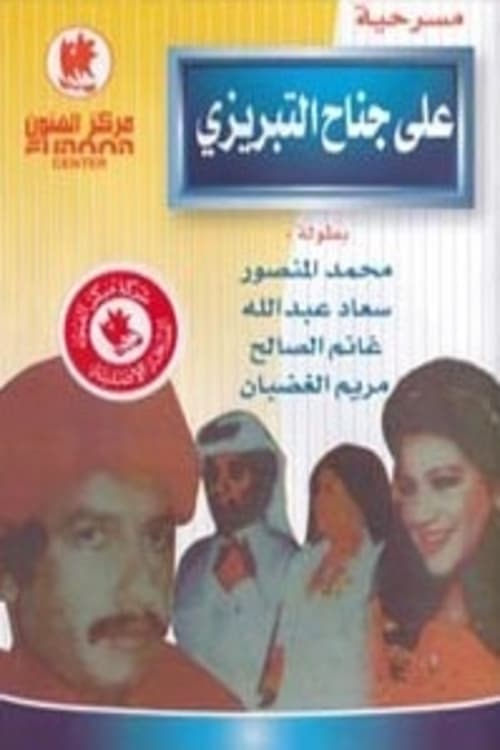
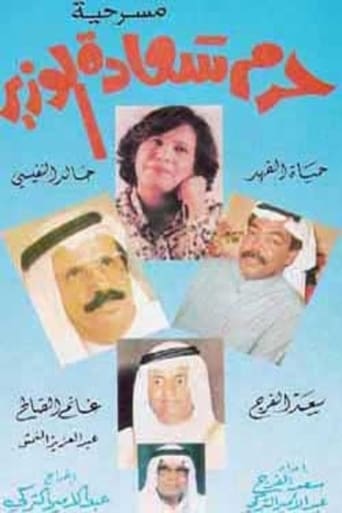
Ali Janah Al-Tabrizi and his follower Qaffa
History · Family · Comedy
Overview
The play deals with two characters of the Thousand and One Nights, from which the author formulated a separate story to address a specific purpose





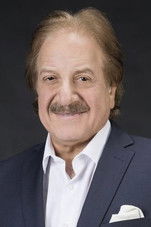
Mohammed Al-Mansour
Mohammed Al-Mansour
على جناح التبريزي
Mohammed Al-Mansour
على جناح التبريزي
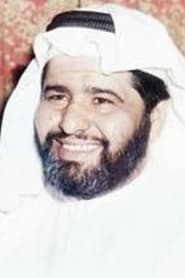
Johar Salem
Johar Salem
صاحب الخان
Johar Salem
صاحب الخان
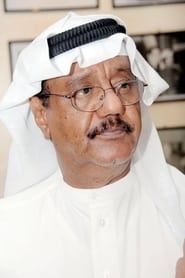
Ghanem Al-Saleh
Ghanem Al-Saleh
قفة
Ghanem Al-Saleh
قفة
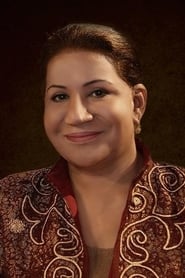
Souad Abdullah
Souad Abdullah
الأميرة
Souad Abdullah
الأميرة
Mariam Al Ghadban
Mariam Al Ghadban
مربية الأميرة
Mariam Al Ghadban
مربية الأميرة

Mohamed Al-Saree
Mohamed Al-Saree
شاهبندر التجار
Mohamed Al-Saree
شاهبندر التجار

Khalid Al-Obaid
Khalid Al-Obaid
التاجر
Khalid Al-Obaid
التاجر
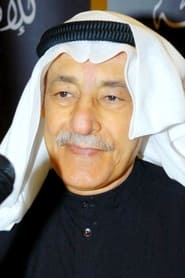
Jasem Al-Saleh
Jasem Al-Saleh
الجلاد
Jasem Al-Saleh
الجلاد
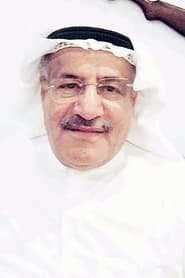
Ahmad Al-Saleh
Ahmad Al-Saleh
الملك
Ahmad Al-Saleh
الملك
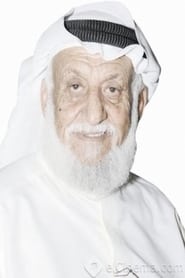
Muhammad Al-Mannaya
Muhammad Al-Mannaya
الملك
Muhammad Al-Mannaya
الملك
Similar Movies
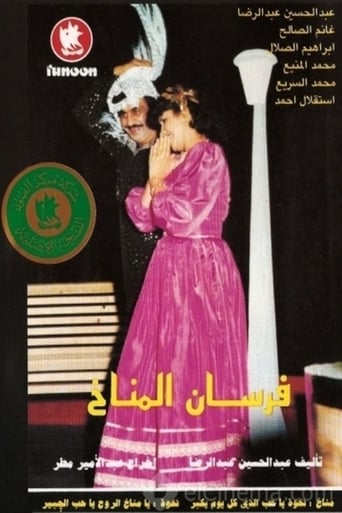
The first Gulf economic play centered on an issue that affected members of Kuwaiti society, which sparked widespread controversy between Kuwaiti society and the Gulf community in general, and the issue was the "Al Manakh Market" crisis in 1982, which ended in losses exceeding $ 22 billion. Where the story tells about the second oil boom of the Gulf states at the end of the seventies and the beginning of the eighties of the twentieth century AD where the price of oil increased continuously until the Gulf countries recorded large financial surpluses, so the money poured into the stock market significantly until it opened a stock trading office in a semi-parallel office and was named a market "Al Manakh" in which money flowed greatly from almost all segments of Kuwaiti society and even foreign residents and some individuals from the Gulf states and increased frantic speculation and increased buying and selling for the future until it reached astronomical numbers.
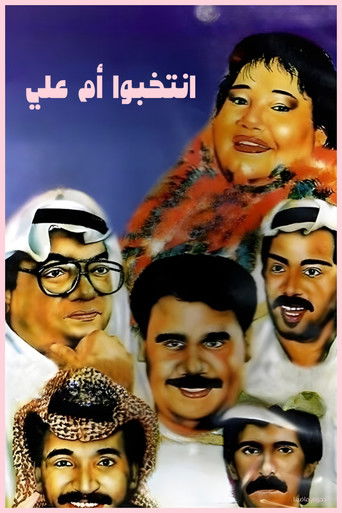
A Kuwaiti comedy play that talks about the period that followed the liberation of Kuwait from the Iraqi invasion. The play cynically dealt with the issue of women entering the political battlefield through Umm Ali (Ansar Al-Sharah) mother, wife and housewife who decides to run in the parliamentary elections and faces many problems and strange situations .
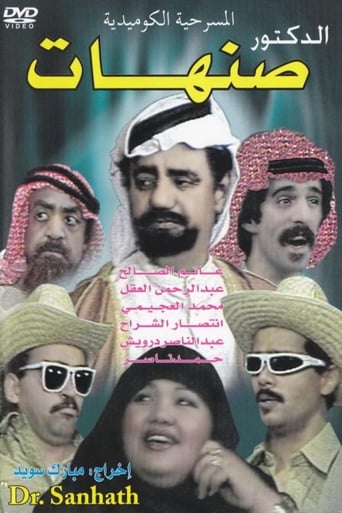
The play tells the story of a Bedouin family consisting of the father of Umbriek, the mother of (Intisar Al-Sharah) and the sons of (Abdul Rahman Al-Aql) and (Muhammad Al-Ajimi), waiting for their elder son Sanhaat (Ahmed Jawhar [?]) Who was sent abroad to study for the doctorate, but was surprised by his return and accompanied him His foreign wife (Abeer al-Jundi), which is difficult to adapt to customs and traditions, the family always relies on consulting uncle Abu Muslafah (Ghanem Al-Saleh) who, along with Dr. Sunhat's father, is trying to find a suitable job for their son, Dr. Sunhat, to be shocked by obstacles that prevent him from the job.
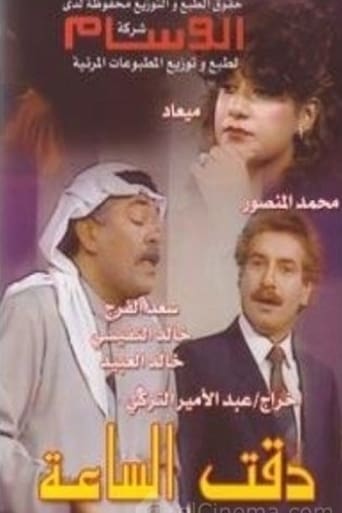
To reject sectarianism, and called for non-discrimination. In this play that presented in the theatrical season 1985-1986 and embodied the character of Abu Abdullah,two students struggle at the university (Jassem Al-Nabhan and Abdul Nasser Al-Zayer), one of whom is from the Sunni and the other is Shiee.
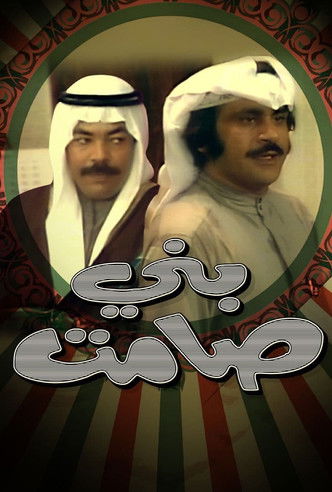
A Kuwaiti play talks about the life of Kuwaitis in the years of poverty experienced by Kuwaitis before the economic boom in the seventies, and discusses work in a comic framework of economic and social problems, including poverty, education, and health, by dealing with the stories of work heroes.

A Kuwaiti social comedy play presented to the leaders of the Gulf states at the Gulf Summit in 1985, which was written by Abdul-Hussein Abdul-Ridha, a satirical play that discusses family issues, family bonding and religious extremism, the play talks about the loss of children and the home, neglect of parents, and who is responsible for that.

A political and social play in which the old narrator preaches and guides during the Iran-Iraq war, the bombings that occurred in Kuwait and the attempted assassination of the Emir of the State of Kuwait during that period, and the clear difference in opinions between support for stopping the war on Iran and the positions of the President of Iraq.