

Nine Monks
Drama · Documentary
Overview
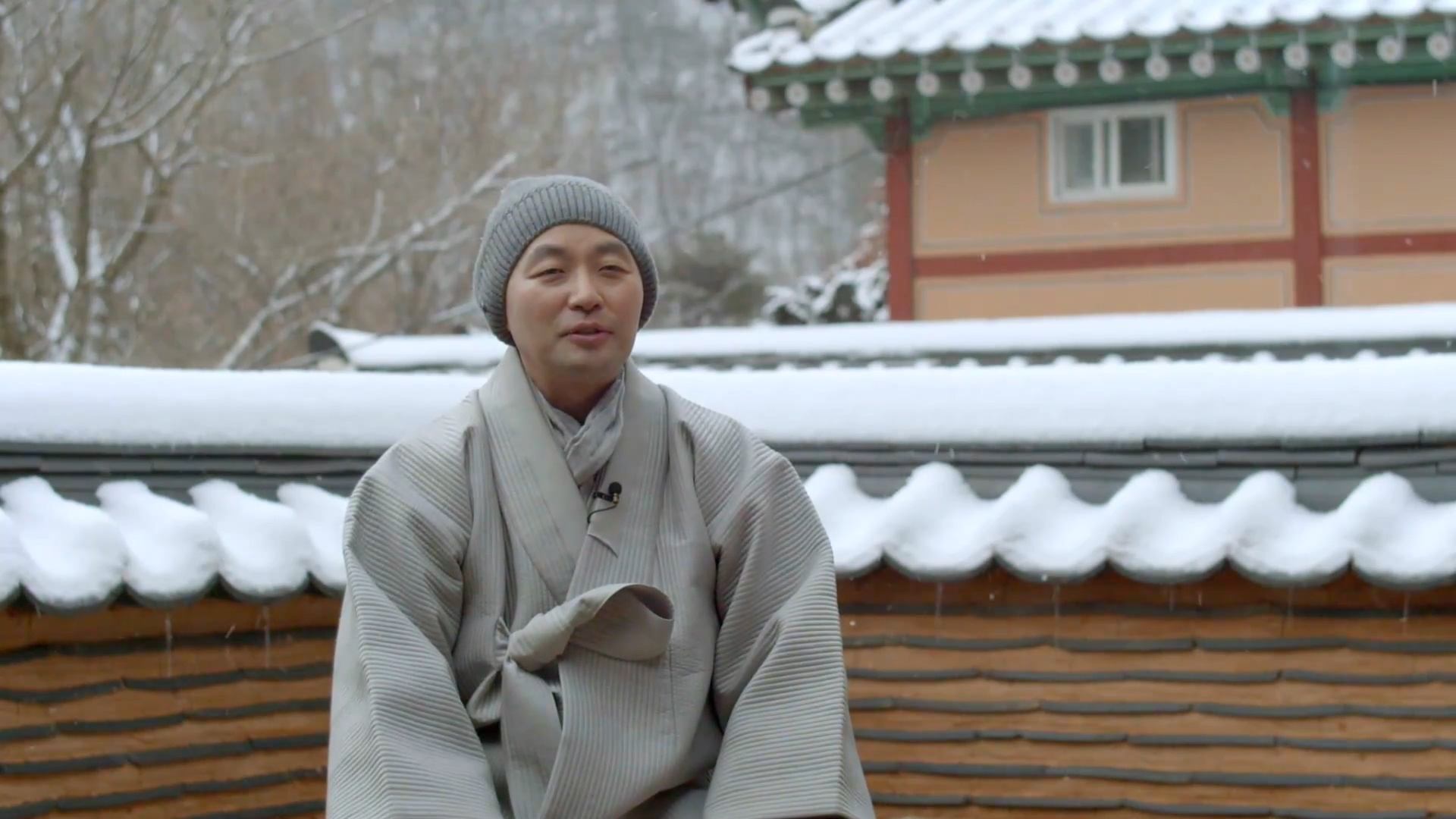
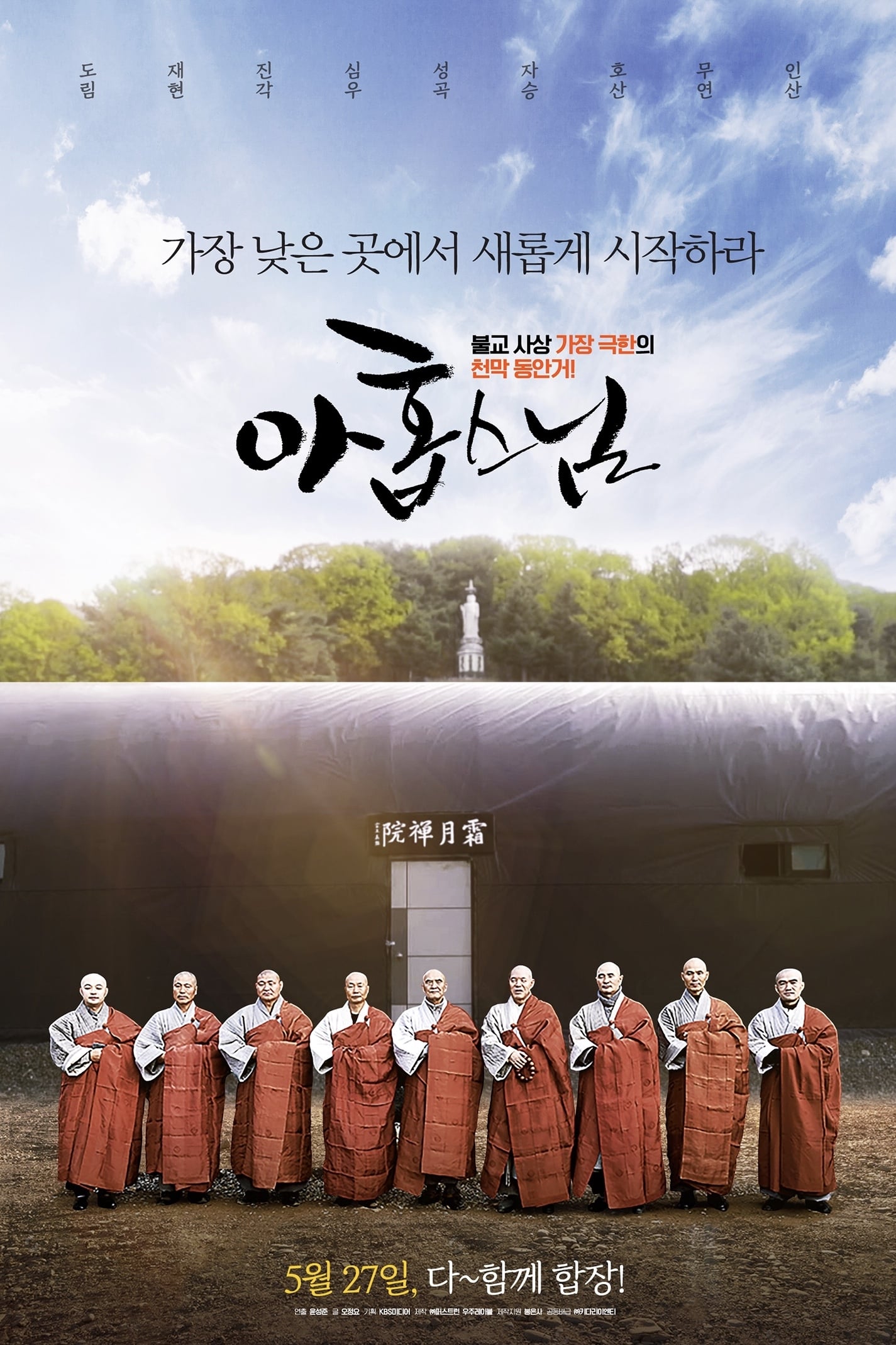
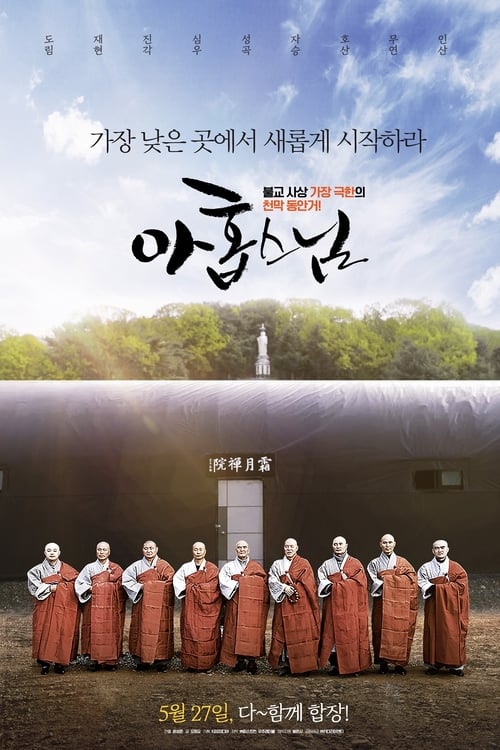
For the first time in the history of Korean Buddhism, nine monks ceased hostility by staying in a tent throughout winter. Inside the cold tent, ninety days of meditation begins with seven strict rules. Crisis comes to the monks who had to endure the tent without a heater, and with only a single set of clothes, and a single meal a day, but never once did they groan.
Top Cast


Ja-seung
Ja-seung
Himself
Ja-seung
Himself
Moo-yeon
Moo-yeon
Himself
Moo-yeon
Himself
Jin-gak
Jin-gak
Himself
Jin-gak
Himself
Ho-san
Ho-san
Himself
Ho-san
Himself
Seong-gok
Seong-gok
Himself
Seong-gok
Himself
Jae-hyeon
Jae-hyeon
Himself
Jae-hyeon
Himself
Sim-woo
Sim-woo
Himself
Sim-woo
Himself
Do-rim
Do-rim
Himself
Do-rim
Himself
In-san
In-san
Himself
In-san
Himself
Similar Movies
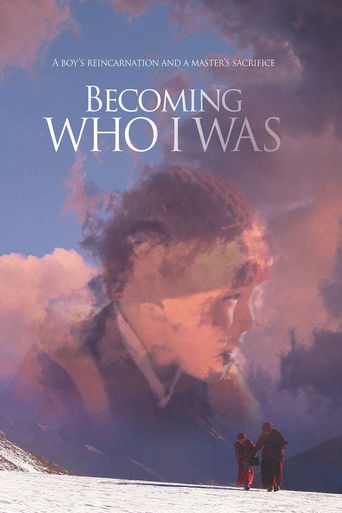
Angdu is no ordinary boy. Indeed, in a past life he was a venerated Buddhist master. His village already treats him like a saint as a result. The village doctor, who has taken the boy under his wing, prepares him to be able to pass on his wisdom. Alas, Tibet, Angdu’s former homeland and the centre of his faith, lies far away from his current home in the highlands of Northern India. On top of that, the conflict between China and Tibet makes the prospect of a trip there even more daunting. Undeterred by these harsh facts, the duo set off for their destination on foot, accompanied by questions of friendship and the nature of life. With its narrative approach steeped in a serene sense of concentration, this documentary film, composed over a period of eight years, stands as a fundamental experience in its own right.
Street art, creativity and revolution collide in this beautifully shot film about art’s ability to create change. The story opens on the politically charged Thailand/Burma border at the first school teaching street art as a form of non-violent struggle. The film follows two young girls (Romi & Yi-Yi) who have escaped 50 years of civil war in Burma to pursue an arts education in Thailand. Under the threat of imprisonment and torture, the girls use spray paint and stencils to create images in public spaces to let people know the truth behind Burma's transition toward "artificial democracy." Eighty-two hundred miles away, artist Shepard Fairey is painting a 30’ mural of a Burmese monk for the same reasons and in support of the students' struggle in Burma. As these stories are inter-cut, the film connects these seemingly unrelated characters around the concept of using art as a weapon for change.
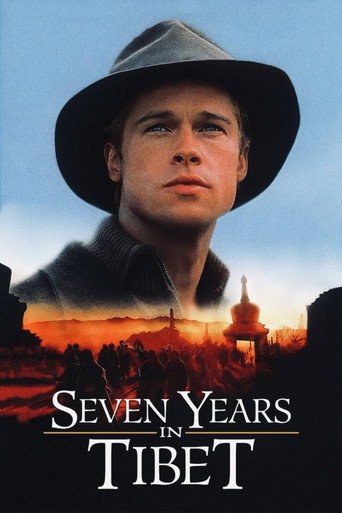
Austrian mountaineer Heinrich Harrer journeys to the Himalayas without his family to head an expedition in 1939. But when World War II breaks out, the arrogant Harrer falls into Allied forces' hands as a prisoner of war. He escapes with a fellow detainee and makes his way to Lhasa, Tibet, where he meets the 14-year-old Dalai Lama, whose friendship ultimately transforms his outlook on life.
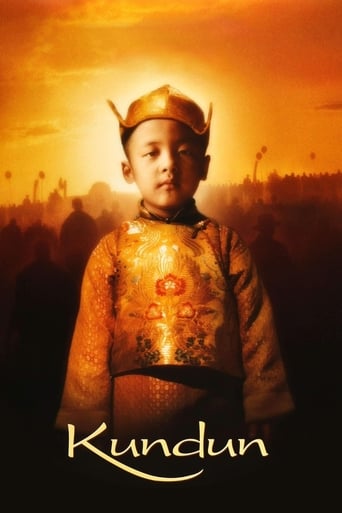
The Tibetans refer to the Dalai Lama as 'Kundun', which means 'The Presence'. He was forced to escape from his native home, Tibet, when communist China invaded and enforced an oppressive regime upon the peaceful nation. The Dalai Lama escaped to India in 1959 and has been living in exile in Dharamsala ever since.
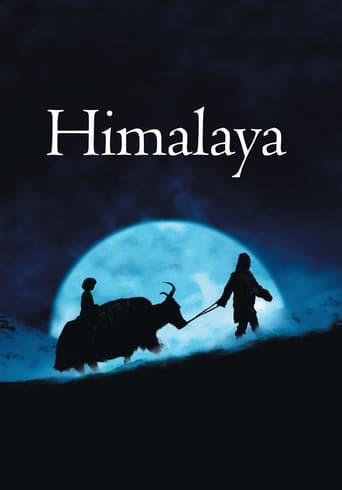
As the denizens of a Tibetan village prepare for their arduous annual trek to exchange salt for grain, the community's allegiances are split between aging chieftain Tinle and rebellious young Karma. Tinle tries to maintain his clout and preserve obedience to ancient customs when Karma challenges the old man's power.