

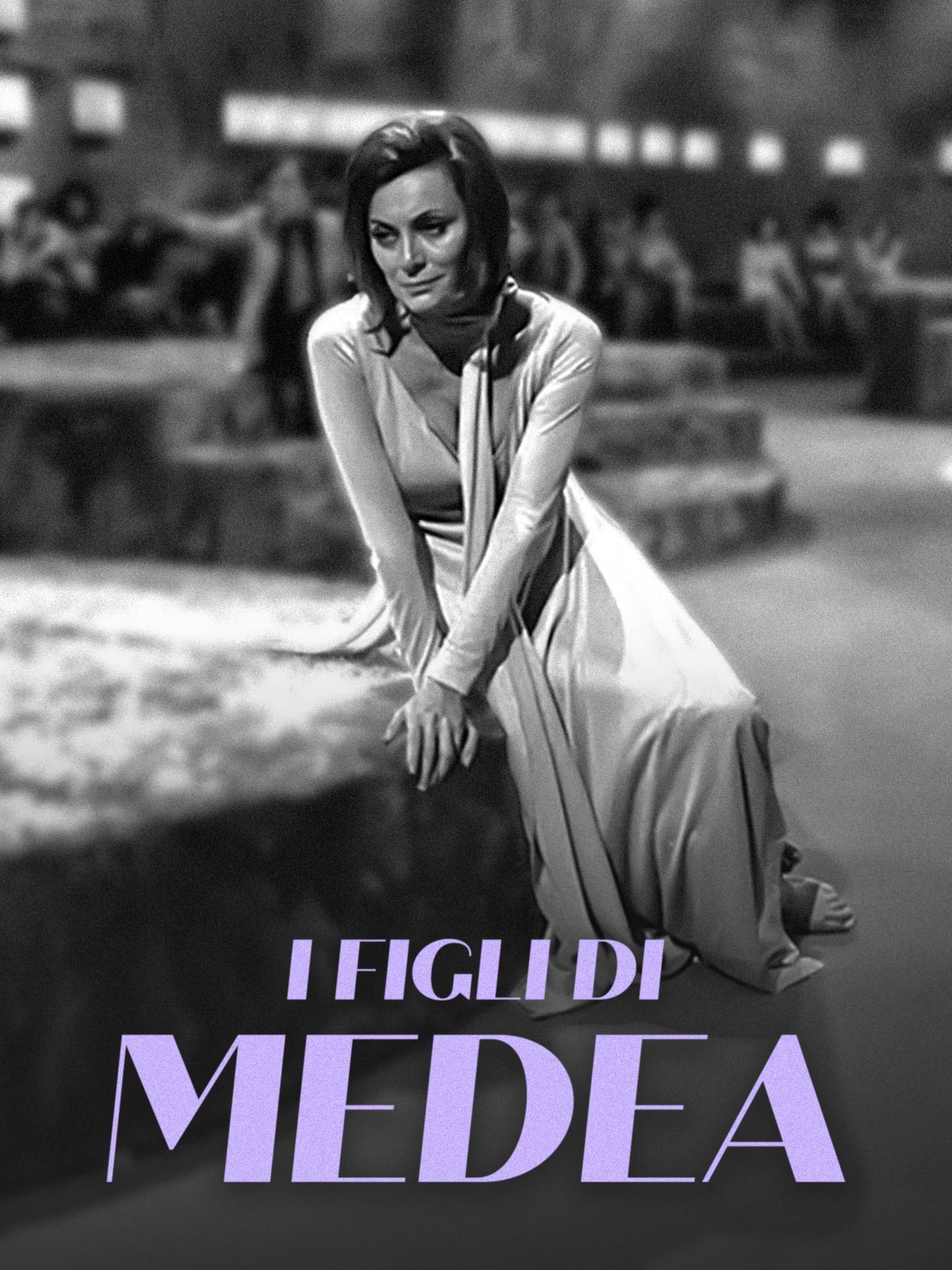
The Sons of Medea
TV Movie
Overview
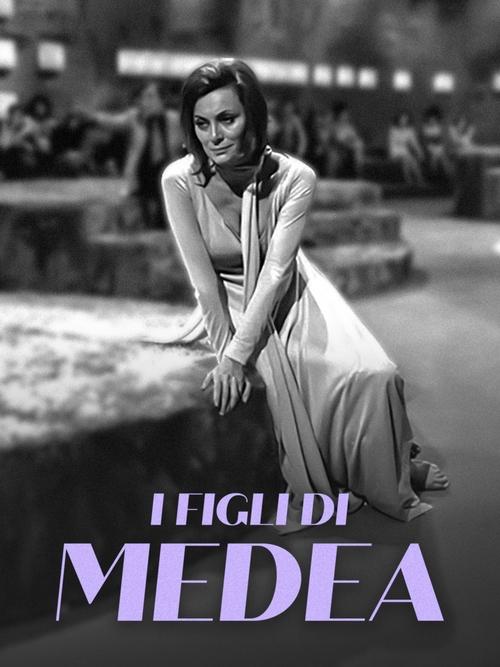
The sons of Medea are an Italian "teledramma", broadcast live on 9 June 1959 on the National Program. It became a sensational media event because many viewers, not realizing it was a fiction, perceived the event as real





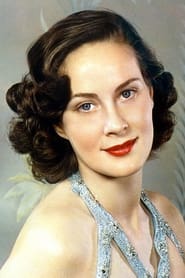
Alida Valli
Alida Valli
Medea / Alida Valli
Alida Valli
Medea / Alida Valli
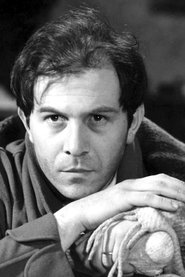
Enrico Maria Salerno
Enrico Maria Salerno
Enrico Maria Salerno
Enrico Maria Salerno
Enrico Maria Salerno
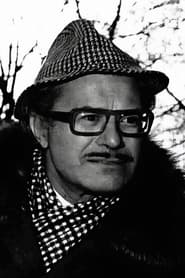
Ferruccio De Ceresa
Ferruccio De Ceresa
Professor Vailati
Ferruccio De Ceresa
Professor Vailati

Tino Bianchi
Tino Bianchi
Dottor Vinciguerra
Tino Bianchi
Dottor Vinciguerra
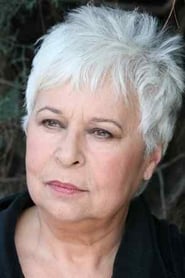
Rita Savagnone
Rita Savagnone
Afrodite
Rita Savagnone
Afrodite
Elio Lo Cascio
Elio Lo Cascio
Eros
Elio Lo Cascio
Eros
Marta Melocco
Marta Melocco
Calciope
Marta Melocco
Calciope
Elvira Betrone
Elvira Betrone
La vecchia signora
Elvira Betrone
La vecchia signora
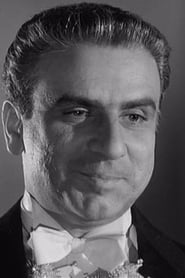
Tullio Altamura
Tullio Altamura
Lo psichiatra
Tullio Altamura
Lo psichiatra
Similar Movies
Julie Andrews was nominated for an Emmy for portraying the titular scullery maid who finds true love with a prince in this legendary adaptation of one of the most famous fairy tales of all time. A musical, made-for-television, with music by Richard Rodgers and book and lyrics by Oscar Hammerstein II, it is the only of the legendary composing team's musicals created specifically for that medium. It was originally broadcast live on CBS on March 31, 1957, and was a phenomenal success, viewed by more than 107 million people. Though it originally aired in full color, only a black & white kinescope of the production has survived.
This omnibus release consists of three playlets filmed and aired during television's Golden Age, and starring some of the legends of film and television. The collection originally ran as a two-hour segment on December 14, 1959, on the anthology series The Play of the Week, broadcast locally in New York City via the independent radio station WNTA. Each "tale" in the anthology was adapted from a single tale by the inimitable Sholom Aleichem, regarded by many as the "Yiddish Mark Twain". Included are: "A Tale of Chelm" starring Zero Mostel and Nancy Walker in the story of a bookseller attempting to buy a goat; "Bontche Schweig" about a poor man (Jack Gilford) whose recent arrival in Heaven makes the angels cry; and "The High School" about a Jewish merchant (Morris Carnovsky) persuaded by his wife (Gertrude Berg) to let their son attend a particular high school despite the enforcement of quotas for Jewish students.
While touring a museum, Rodney Hatch, an unremarkable barber, places an engagement ring intended for his girlfriend on the hand of a statue of Venus, the goddess of love and beauty. From Mount Olympus, Venus witnesses the event and decides to visit Rodney on Earth by magically inhabiting the statue. Hilarity ensues when she starts to fall in love with Rodney and competes with his girlfriend for his attentions. This television version of Kurt Weill's successful Broadway musical is much more faithful to the stage version than the 1948 Ava Gardner film, which changed the story considerably and cut most of the songs.
Winner of 7 Tony Awards, including Best Musical, The Wiz was a massive Broadway hit which spawned a dismal feature film starring Diana Ross and Michael Jackson. Executive Producers Craig Zadan and Neil Meron have assembled a Tony-winning creative team, the imaginative Cirque du Soleil Theatrical and a diverse cast of showstoppers designed to create an eye-popping new take on the musical unlike anything ever seen.
Live television drama set in a caravan park in the US. Originally presented as a 1959 episode of the Australian anthology drama show Shell Presents starring Michael Pate. It was filmed "live" in Melbourne, then recorded and broadcast in Sydney. The same script was produced in 1956 for American television.
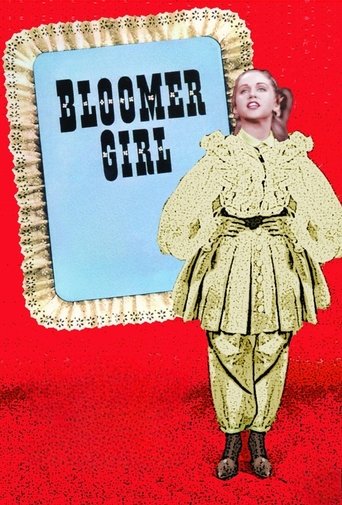
In 1956, BLOOMER GIRL was presented in a live television production starring the magnificent Barbara Cook, whose star was then on the rise, with leading roles in CANDIDE and THE MUSIC MAN still in her future. A solid success when it opened on Broadway in 1944, BLOOMER GIRL boasts a glorious score by the legendary team of Harold Arlen and E.Y. Harburg (THE WIZARD OF OZ). The book by Fred Saidy is set at the brink of the Civil War and addresses issues of women's equality (priorities were the right to vote and to wear bloomers, a liberating alternative to hoop skirts) and racial equality.
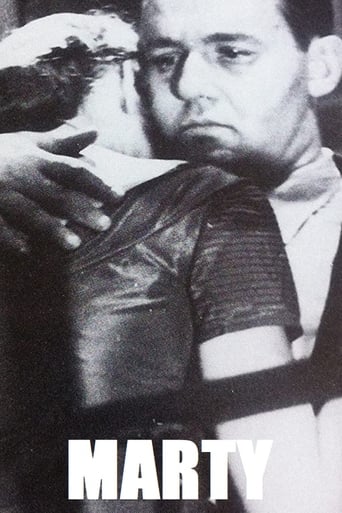
Marty Pilletti is a 36-year-old butcher who lives with his mother, who is always asking him why he doesn't find a nice girl and get married. The truth is Marty is lonely and would like nothing better, but he has low self-esteem and admits to his mother that he's ugly and no one wants him. He's tired of going to the Saturday night dance with his buddies and then going home more depressed than he was when the evening started. But at one of those dances he meets Clara. They have a great deal in common but Marty will have to overcome peer pressure if he and Clara are to have a relationship.