

Britten: Gloriana
Music
Overview
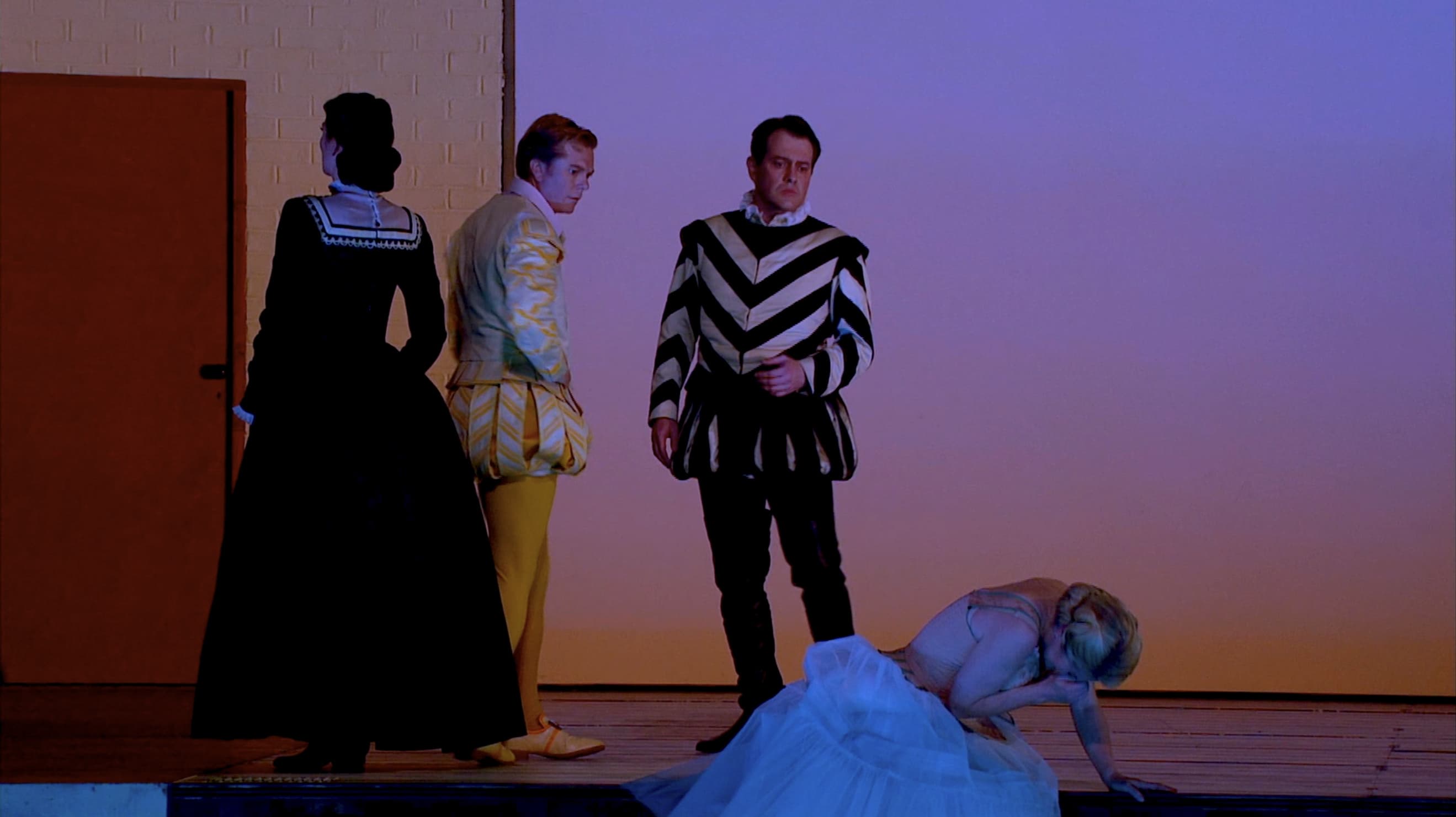
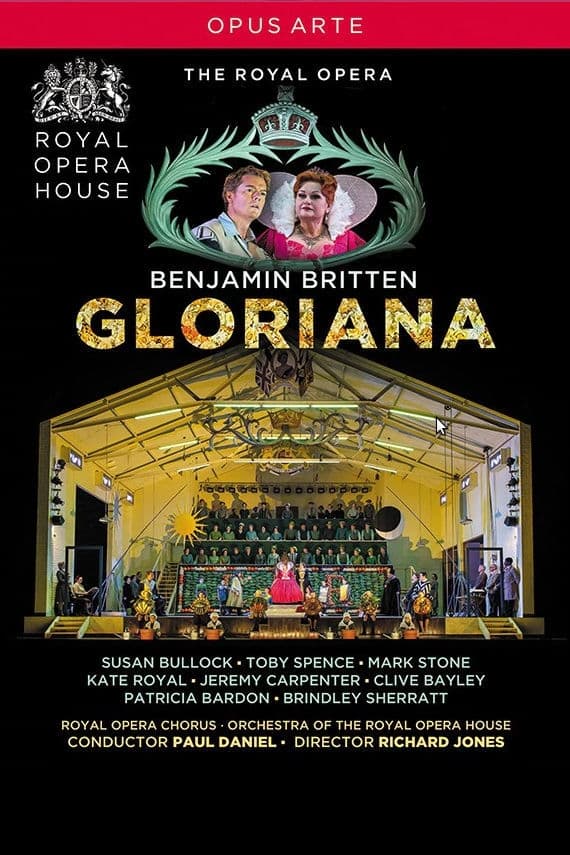
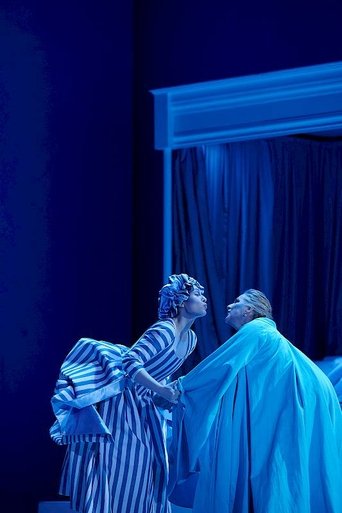
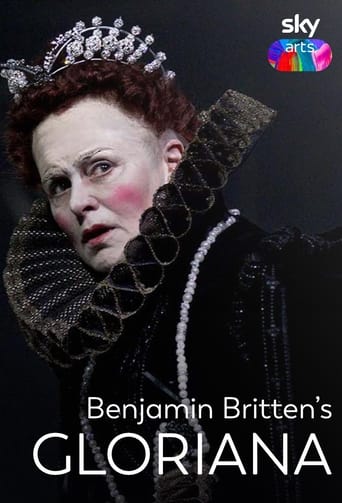
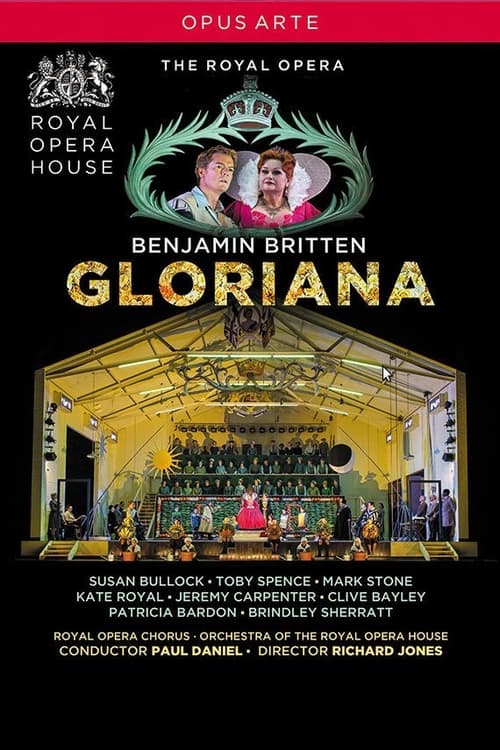
Benjamin Britten’s opera Gloriana was written in 1953 for celebrations around the Coronation of Her Majesty Queen Elizabeth II, to whom the opera is dedicated. It had its first performance at the Royal Opera House on 8 June 1953, in the presence of The Queen then just 6 days into her reign. The centenary in 2013 of Britten’s birth prompted this new Royal Opera production, in which director Richard Jones uses the setting of a celebratory pageant in 1953 to explore the work’s alternating splendour and intimacy. This theatrical, inventive and colourful staging has at its core the symbolic reflections between the Tudor Elizabethan and the New Elizabethan ages that characterize the opera. The juxtaposition of the modern and the archaic in William Plomer’s libretto is wonderfully amplified in music that artfully fuses the sounds and manners of Tudor England – from lute songs to courtly dances – with Britten’s own distinctive style.

Susan Bullock
Susan Bullock
Elisabeth I
Susan Bullock
Elisabeth I
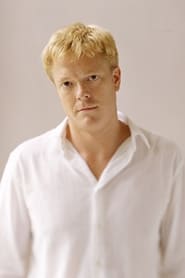
Toby Spence
Toby Spence
Earl of Essex
Toby Spence
Earl of Essex
Mark Stone
Mark Stone
Lord Mountjoy
Mark Stone
Lord Mountjoy
Clive Bayley
Clive Bayley
Sir Walter Raleigh
Clive Bayley
Sir Walter Raleigh
Jeremy Carpenter
Jeremy Carpenter
Sir Robert Cecil
Jeremy Carpenter
Sir Robert Cecil

Kate Royal
Kate Royal
Lady Rich
Kate Royal
Lady Rich
Patricia Bardon
Patricia Bardon
Countess of Essex
Patricia Bardon
Countess of Essex
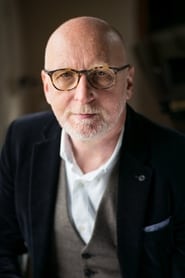
Brindley Sherratt
Brindley Sherratt
Blind Ballad-Singer
Brindley Sherratt
Blind Ballad-Singer
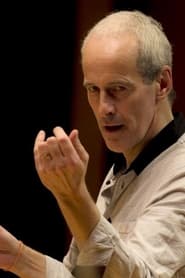
Paul Daniel
Paul Daniel
Conductor
Paul Daniel
Conductor
Similar Movies
When Sir John Falstaff decides that he wants to have a little fun he writes two letters to a pair of Window wives: Mistress Ford and Mistress Page. When they put their heads together and compare missives, they plan a practical joke or two to teach the knight a lesson. But Mistress Ford's husband is a very jealous man and is pumping Falstaff for information of the affair. Meanwhile the Pages' daughter Anne is besieged by suitors.
The Zurich Opera gathered a superb cast for this production: Italian soprano Eva Mei sings the Countess Violante, known as Sandrina, the feigned gardener of the title. Spanish soprano Isabel Rey is her opponent Arminda, and Arminda's former lover, the melancholy Cavaliere Ramiro, is sung by Romanian mezzo Liliana Nikiteanu. Moretti's staging presents the action in a modern villa in a hierarchical world of the rich and famous.
When Strauss and Hofmannsthal wrote «Der Rosenkavalier» – setting it in an imaginary Rococo Vienna and yet closely linked to the decadent fin de siècle – they created a profound social comedy. It is not without melancholy that the Marschallin lets her young lover Octavian go when he falls head over heels with Sophie, who hails from Faninal’s bourgeois household. As voluptuous as Strauss' score is, it contains tender moments of dream and melancholy. Director Lydia Steier stages Strauss’ opera according to an aesthetic concept by Austrian artist Gottfried Helnwein. Diana Damrau sings the Marschallin. Joana Mallwitz, chief conductor at the Konzerthaus Berlin, conducts the Orchester der Oper Zürich.
Witness the Zurich Opera's stunning production of Richard Wagner's masterpiece "Tannhauser," conducted by Franz Welser-Most and featuring Peter Sieffert (Tannhauser), Solveig Kringelborn (Elisabeth) and Roman Trekel (von Eschenbach). Initially produced in Dresden in 1845, "Tannhauser" instilled a sense of wonder in a few of Strauss's ardent friends and admirers, among them Robert Schumann and Franz Liszt. Opera buffs will love it.
Live performance from the Schwetzinger Festspiele, 1987. At the age of 21, Italian composer Giacchino Rossini penned the masterful comic opera “L’Italiana in Algeri” (“The Italian Girl in Algiers”) in less than a month. The composer’s youthful exuberance comes across in this infectious 1987 performance. Though she’s known mainly for her Wagner roles, acclaimed German mezzo-soprano Doris Soffel shines in the title role of Isabella. Ralf Weikert conducts, and Mauro Pagano oversees sets and costumes.
Shortly after WWII, the DEFA Studios produced a series of operas and operettas which belonged to the classical German musical heritage. This enchanting film, the very first opera production of DEFA, stands out because of its lavish decor and costumes, its outstanding actors and their masterful voices of that time.
Take a perfect cast, a great conductor and a groundbreaking staging in-out makes a 'Tristan' for eternity. The 1983 performance in Bayreuth was a great moment for the world of opera. The ensemble performance of René Kollo, Johanna Meier and Matti Salminen with, then as now the Wagner admirer, Daniel Barenboim conducting the Bayreuth orchestra inspired singers and instrumentalists to peak performance. Jean-Pierre Ponnelle created a dream-beautiful stage.