

Woubi Chéri
Documentary
Overview
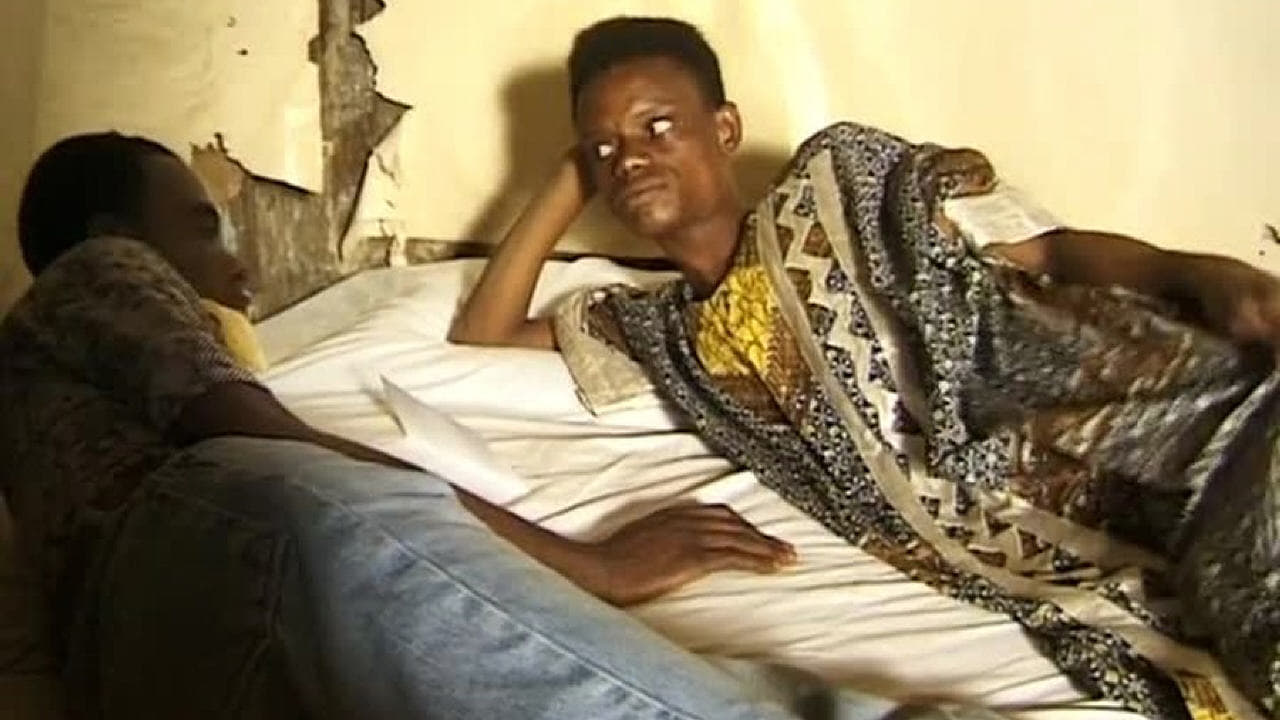
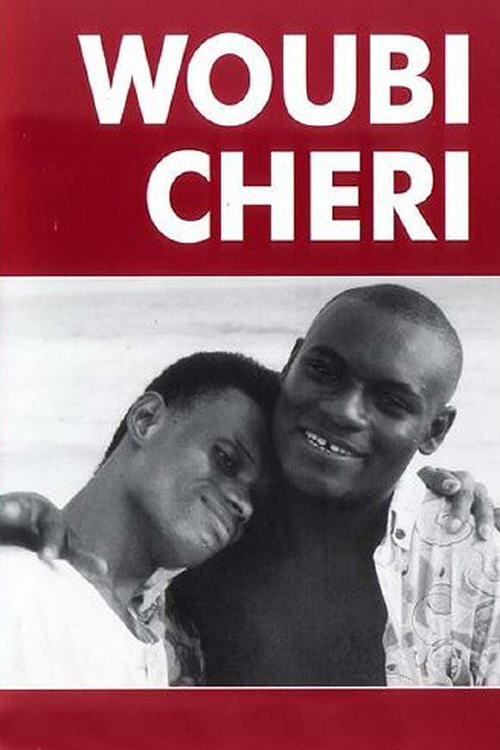
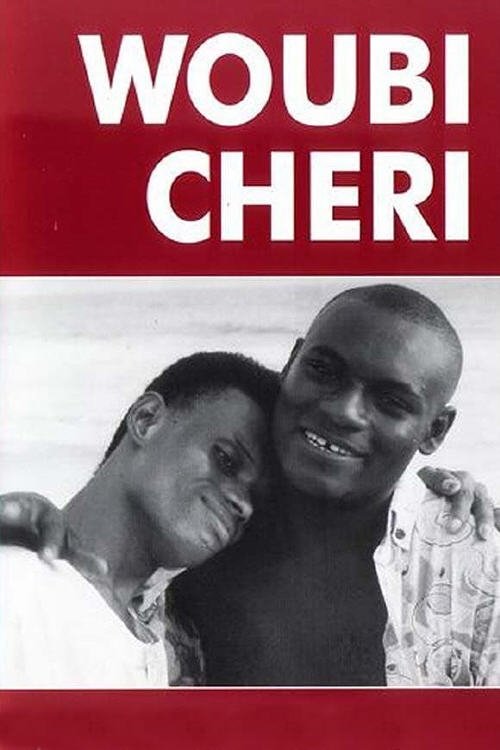
This documentary shows a few days in the life of various members of Abdijan, Ivory Coast's gay and transgender community. We get to meet a variety of woubis, yossis, etc. The hero/heroine of the film is a statuesque young man named Barbara who is organising the annual year-end party of the Ivory Coast Tranvestite Association, to be held December 27, 1997.
Top Cast




Barbara
Barbara
Self
Barbara
Self
Avelido
Avelido
Self
Avelido
Self
Bibiche
Bibiche
Self
Bibiche
Self
Jean-Jacques
Jean-Jacques
Self
Jean-Jacques
Self
Similar Movies
"Race d’Ep!" (which literally translates to "Breed of Faggots") was made by the “father of queer theory,” Guy Hocquenghem, in collaboration with radical queer filmmaker and provocateur Lionel Soukaz. The film traces the history of modern homosexuality through the twentieth century, from early sexology and the nudes of Baron von Gloeden to gay liberation and cruising on the streets of Paris. Influenced by the groundbreaking work of Michel Foucault on the history of sexuality and reflecting the revolutionary queer activism of its day, "Race d’Ep!" is a shockingly frank, sex-filled experimental documentary about gay culture emerging from the shadows.
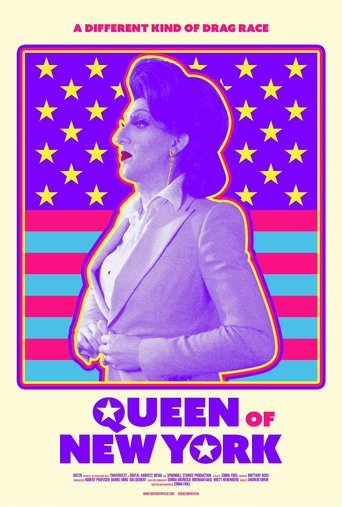
Welcome to a different kind of drag race! As NYC emerges from the chaos of 2020, Marti Cummings (they/them), an audacious and big-hearted drag queen, goes all out in a historic bid to become a City Councilperson. It’s one of the most hotly contested Council races in years, and Marti’s strongest competitor is Shaun Abreu, a tenants’ lawyer with deep roots in the district’s Latinx community. As these first-timers race to do the most good for their Upper Manhattan neighbors, they offer very different visions for Democratic politics – one in a suit and tie, the other in combat boots and floral print. As this immersive documentary reveals, Marti’s passion inspires queer activists and allies to change the political system. Their campaign becomes a community of its own, especially for Marti’s non-binary peers who have never before seen themselves represented.
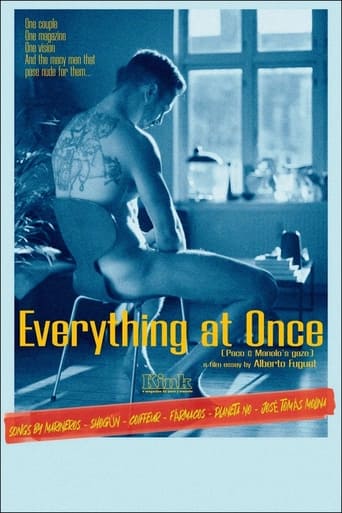
Paco and Manolo are two Catalan photographers from the outskirts of Barcelona who have been working together for thirty years as if they were a single person, capturing their images in Kink magazine, a very personal photography fanzine with a homoerotic aesthetic of Mediterranean essence.
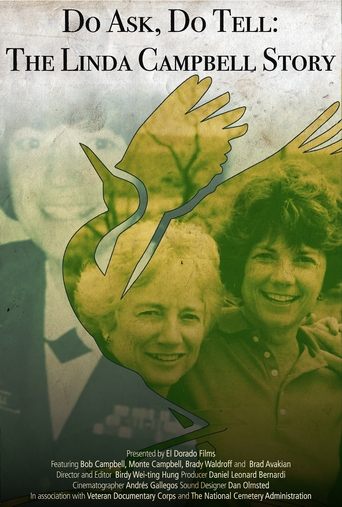
Set against the backdrop of the repeal of the "Don't Ask, Don't Tell" policy, the film chronicles the journey of Lt. Col. Linda Campbell, an Air Force veteran who grappled with hiding her true self during her service tenure. While the national policy shift towards LGBTQ+ rights marks a progressive era, Linda's personal story serves as a powerful testament to the individual battles fought in the shadows of such policies. Subjected to suspicion, prejudice, and threats from her comrades due to her perceived homosexuality, Linda's resilience remain undeterred. Her unwavering love and commitment to her partner, Nancy Lynchild, culminate in a poignant milestone: their eternal rest together in Willamette National Cemetery. Intertwined with this narrative is the account of Linda's brother, Bob Campbell, who delves into their family's conservative roots, Linda's tumultuous coming out, and the eventual familial reconciliation that showcases the transformative power of love and understanding.
These men are undergoing a crucial stage of self-discovery, but for better or worse - they will not go through it alone. A selection of 6 shorts about the complexities of gay and male sexuality. Includes: Along the Road [Längs vägen] (2011); Drives [Pulsiones] (2009); Frozen Princess [Princesa de hielo] (2017); Naked [Desnudos] (2013); Swimming Pool [Piscina] (2017); Visibles (2018).
The 1920s saw a revolution in technology, the advent of the recording industry, that created the first class of African-American women to sing their way to fame and fortune. Blues divas such as Bessie Smith, Ma Rainey, and Alberta Hunter created and promoted a working-class vision of blues life that provided an alternative to the Victorian gentility of middle-class manners. In their lives and music, blues women presented themselves as strong, independent women who lived hard lives and were unapologetic about their unconventional choices in clothes, recreational activities, and bed partners. Blues singers disseminated a Black feminism that celebrated emotional resilience and sexual pleasure, no matter the source.
In this film, Laerte conjugates the body in the feminine, and scrutinizes concepts and prejudices. Not in search of an identity, but in search of un-identities. Laerte creates and sends creatures to face reality in the fictional world of comic strips as a vanguard of the self. And, on the streets, the one who becomes the fiction of a real character. Laerte, of all the bodies, and of none, complicates all binaries. In following Laerte, this documentary chooses to clothe the nudity beyond the skin we inhabit.