


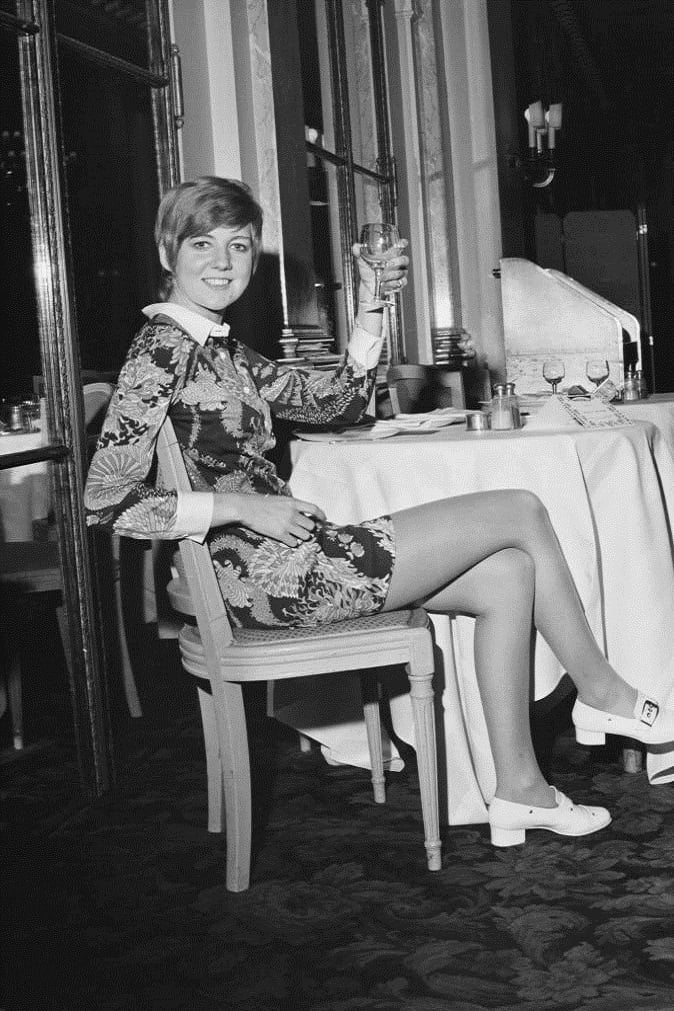
Cilla at the Savoy
Music
Overview
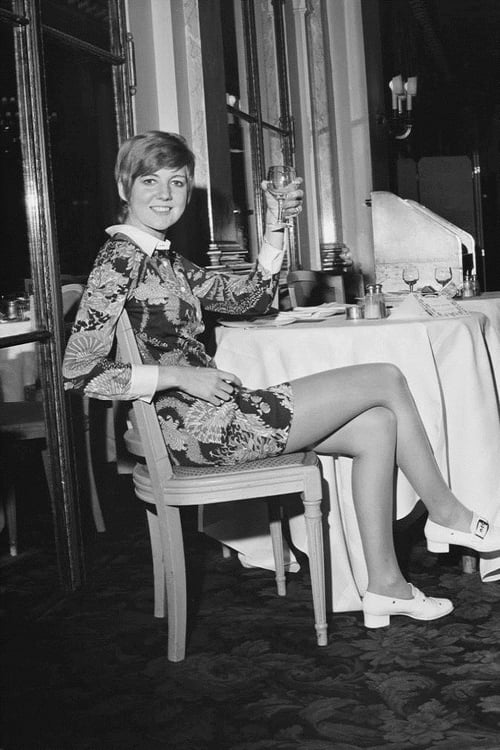
In April 1966, Cilla opened in a 3-week cabaret season at London’s Savoy Hotel. On her final Sunday, she starred in her own television special produced by her manager Brian Epstein’s film company, Subafilms. It was the first colour television show of its kind to be made by an independent producer in Britain. The show was broadcast in the UK in black & white but aired in colour in The Netherlands and the USA. ‘Cilla at the Savoy’ was one of the most watched television specials of the 1960s.










Cilla Black
Cilla Black
Self
Cilla Black
Self
Peter Gordeno
Peter Gordeno
Self - Dancer
Peter Gordeno
Self - Dancer
Similar Movies
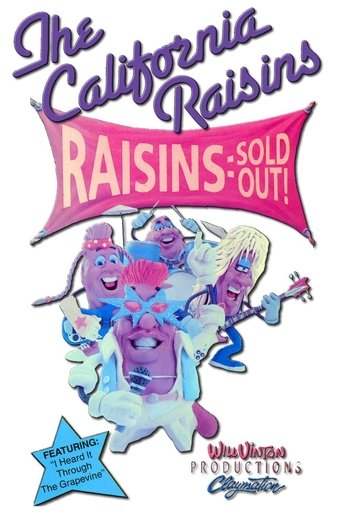
This special has the band hiring a slick-talking new manager in an attempt to make a comeback. Under his guidance, the Raisins try their hand at various new musical genres, including Disco Polka, Country Rap, and Demolition Rock, to humorous effect. The group's troubles begin to manifest, however, upon the replacement of singer A.C. with their manager's young protégé
Multi-platinum recording artist and Grammy Award winner Carrie Underwood headlines CARRIE UNDERWOOD: AN ALL-STAR HOLIDAY SPECIAL, a two-hour variety special. Underwood performs new music from her upcoming album as well as previous hits and holiday classics. She is also joined on stage by special musical guests and chart-topping artists including Dolly Parton, Brad Paisley and David Cook.

The story of Elliot Tiber and his family, who inadvertently played a pivotal role in making the famed Woodstock Music and Arts Festival into the happening that it was. When Elliot hears that a neighboring town has pulled the permit on a hippie music festival, he calls the producers thinking he could drum up some much-needed business for his parents' run-down motel. Three weeks later, half a million people are on their way to his neighbor’s farm in White Lake, New York, and Elliot finds himself swept up in a generation-defining experience that would change his life–and American culture–forever.
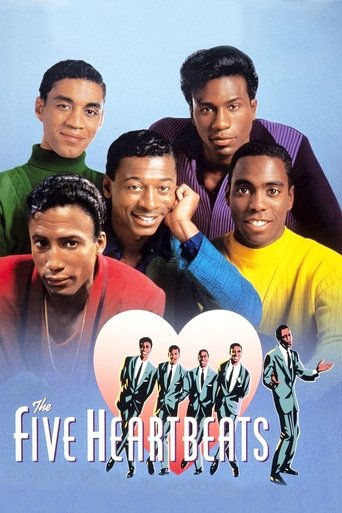
In the early 1960s, a quintet of hopeful, young African-American men form an amateur vocal group called The Five Heartbeats. After an initially rocky start, the group improves, turns pro, and rises to become a top flight music sensation. Along the way, however, the guys learn many hard lessons about the reality of the music industry.
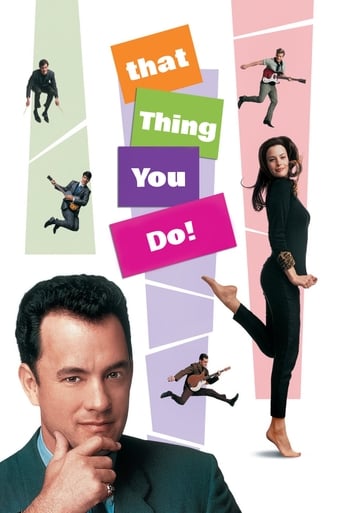
A Pennsylvania band scores a hit in 1964 and rides the star-making machinery as long as it can, with lots of help from its manager. But behind the scenes, the group’s sudden fame tests their strength, their maturity and responsibility, and their ability to resist the temptations that money and notoriety always make possible.
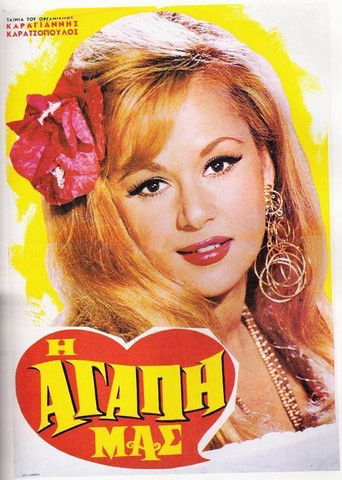
An usherette in a theatre, where a distinguished and popular actor performs, gets her big break when the leading actress has an accident. The director decides to take advantage of the heretofore unexploited talent of the girl and asks her to replace the leading actress. This unexpected opportunity transforms her from a humble usherette into a shining star. Later on, she wins the heart of the leading actor with whom she was secretly in love. However, her sudden rise to theatrical-musical stardom creates complications in their love affair, as her companion sinks into disappointment and drowns himself in drink, abandoning his career. Nevertheless, the usherette/leading actress doesn't give up; She looks for him, finds him and supports him, psychologically and morally, until he makes a comeback to the stage and their love nest.
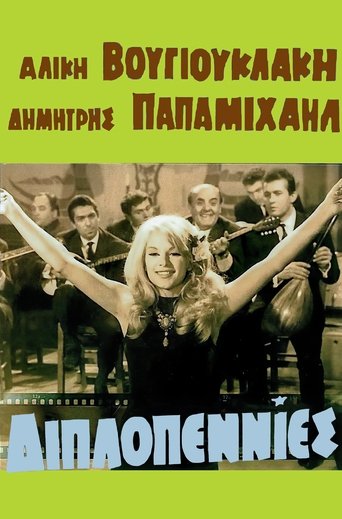
One day, while Grigoris is working and singing at a construction site, a conductor, Vangelis, and two bouzouki musicians happen to pass by. They listen, enchanted by his limpid voice, and suggest that he becomes a member of their orchestra. Thus, the newly-wed day laborer gets a second job at Mr. Lefteris’ night club. His wife, Marina, soon joins him at the club, and, before long, she too goes on stage, cuts capers and charms everyone. Her success, however, has a negative impact on the couple’s relationship, since Marina’s admirers as well as those of Grigoris’, turn one away from the other.