

I Still Believe
Documentary
Overview
Ewa Hołuszko is a remarkable figure. In the 1980s she bore the male name of Marek Hołuszko, an active Solidarity movement activist. After 1989 she could not fully enjoy the regained freedom as the place of communism was taken by another enemy, more difficult to defeat, intolerance and exclusion. Gender change made her realize how far away Polish society is from full freedom. Nevertheless, she still believes that it is possible to live in a different Poland, free from stigmatization, persecution and prejudice against others.
Top Cast




Ewa Hołuszko
Ewa Hołuszko
Herself
Ewa Hołuszko
Herself
Similar Movies
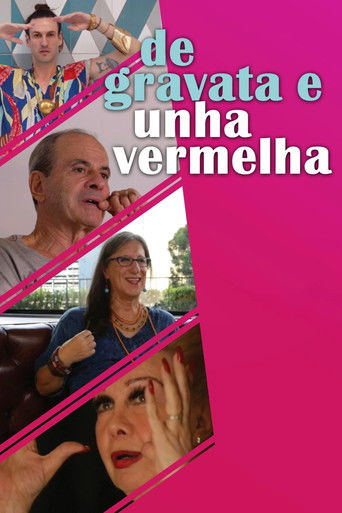
Several characters realize their personal way to build their own identity from the choice of genre. Transsexual, transgender, crossdressing – the defining of terminologies different ways of looking at yourself are constantly rising, portraying a universe of possibilities, expanding the boundaries of the possible and permitted.
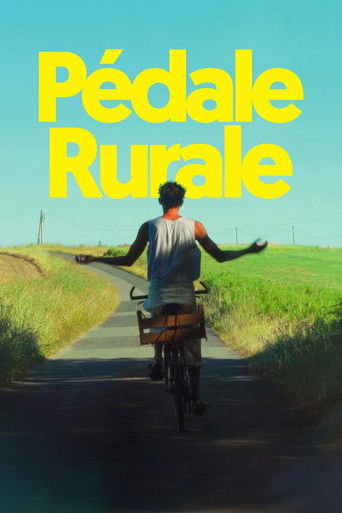
Benoît built his paradise hidden from view, emancipated in his own way, resolved to face the constraints of a space which, in imaginations, conflicts with his identity. The countryside. One day, he and other queers from the area decide to organize the first Pride of the Périgord vert, because it is time to come out, to take up space to celebrate, heal, and finally open a path.
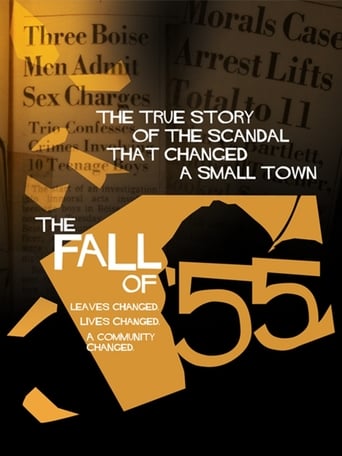
In late 1955 and early 1956, the citizens of Boise, Idaho believed there was a menace in their midst. On Halloween, investigators arrested three men on charges of having sex with teenage boys. The investigators claimed the arrests were just the tip of the iceberg-they said hundreds of boys were being abused as part of a child sex ring. There was no such ring, but the result was a widespread investigation which some people consider a witch hunt. By the time the investigation ended, 16 men were charged. Countless other lives were also touched.In some cases, men implicated fled the area. At least one actually left the country. The investigation attracted attention in newspapers across the nation, including Time Magazine. The "Morals Drive" left scars which remain to this day.
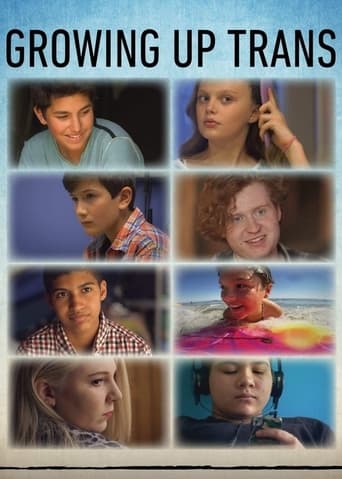
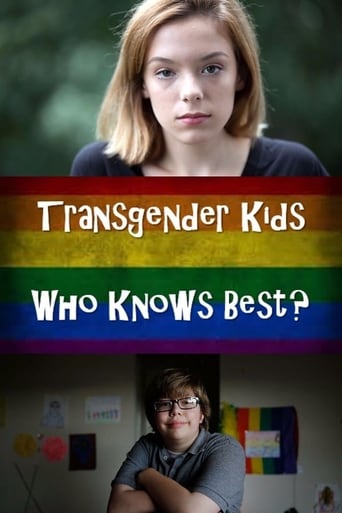
Just a generation ago, it was adults, not kids, who changed genders. But today, many children are transitioning, too—with new medical options, and at younger and younger ages. Told from the perspective of parents, doctors, and, most revealing of all, the kids themselves, the documentary takes a powerful look at this new generation, exploring the medical possibilities, struggles and choices transgender kids and their families face today.

In the indigenous communities around the town of Juchitán, the world is not divided simply into males and females. The local Zapotec people have made room for a third category, which they call “muxes” - men who consider themselves women and live in a socially sanctioned limbo between the two genders.