

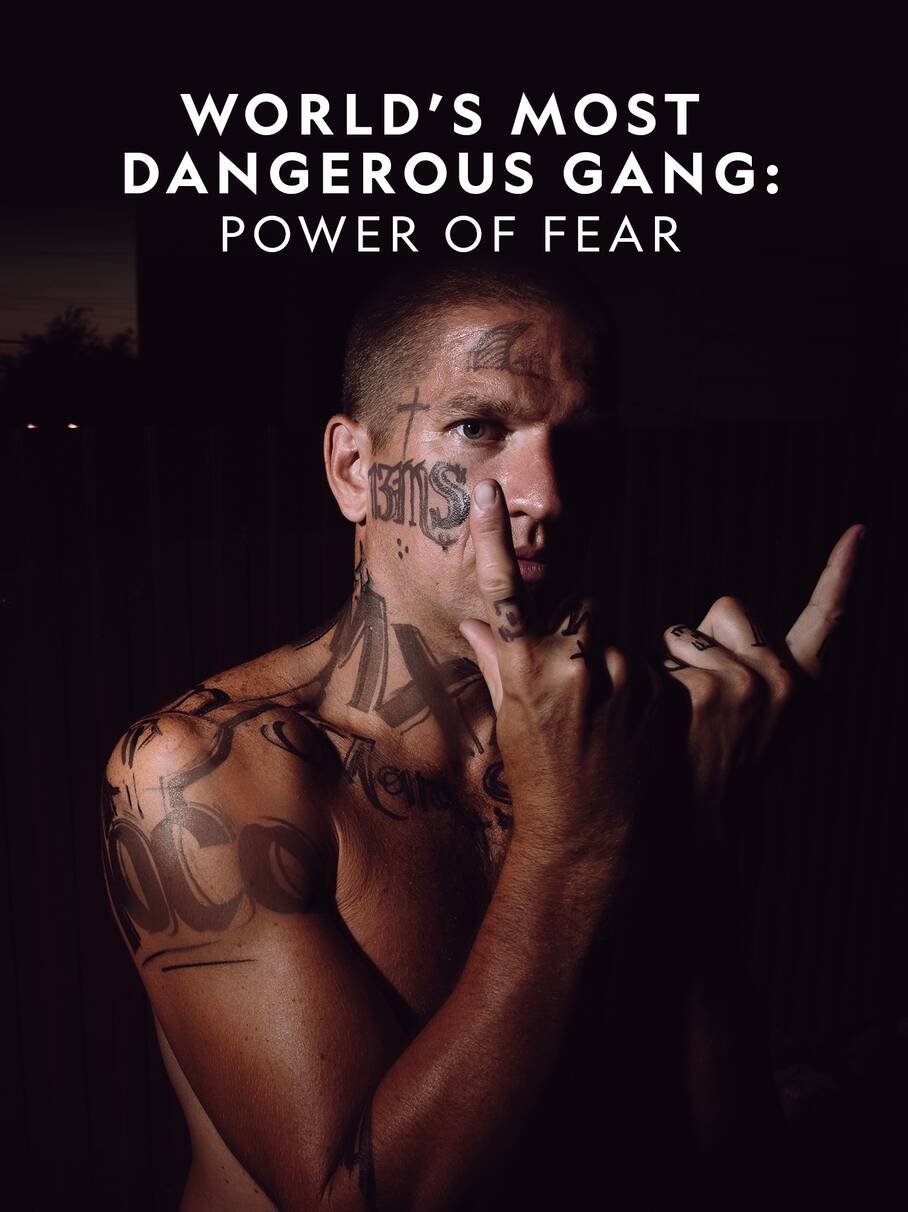
World's Most Dangerous Gang: Power of Fear
Documentary
Overview
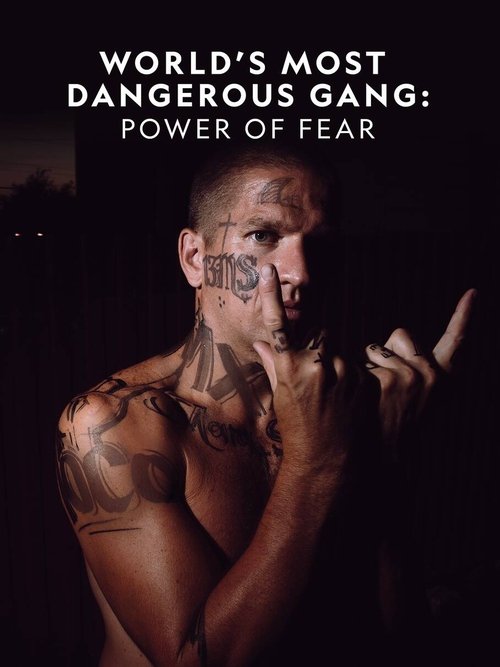
You've seen the graffiti, the tattoos, the headlines documenting their brutality. What is driving the rapid spread of the ultra-violent gang Mara Salvatrucha (MS-13)? National Geographic re-investigates MS-13, tracing the evolution and uncovering the truth about this notorious street gang.



No cast information.
Similar Movies
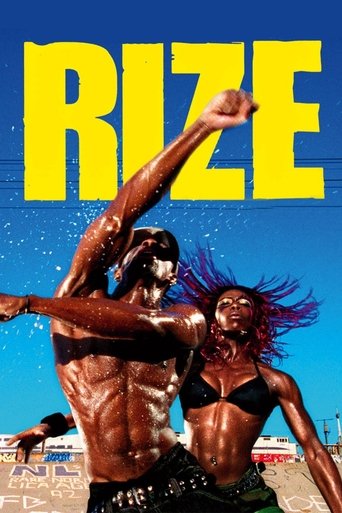
A documentary film that highlights two street derived dance styles, Clowning and Krumping, that came out of the low income neighborhoods of L.A.. Director David LaChapelle interviews each dance crew about how their unique dances evolved. A new and positive activity away from the drugs, guns, and gangs that ruled their neighborhood. A raw film about a growing sub-culture movements in America.
Kingston, Jamaica. After the controversial extradition of notorious drug lord Dudus Coke to the United States in 2010, chaos took over his former territory, the western neighborhoods of the city, where extremely violent gangs of teenagers kill each other for whatever reason. A group of reformed gangsters from Denham Town decide to mediate.
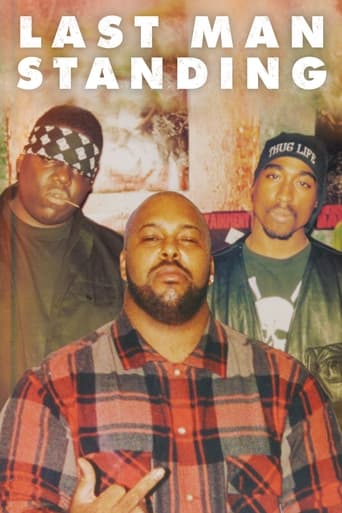
Last Man Standing takes a look at Death Row and how L.A.’s street gang culture had come to dominate its business workings, as well as an association with corrupt LA police officers who were also gang affiliated. It would be this world of gang rivalry and dirty cops that would claim the lives of the world’s two greatest rappers: Tupac Shakur and Biggie Smalls.
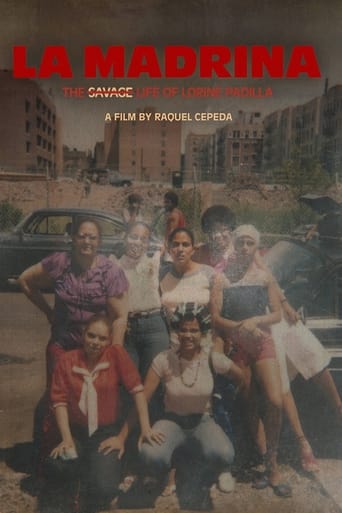
A documentary about a beloved South Bronx matriarch and former "First Lady" of the Savage Skulls gang struggling to remain visible in a rapidly gentrifying community she helped rebuild in the 1980s. With one foot firmly grounded in the outlaw life and the other as an activist and spiritual advisor, Lorine Padilla straddles the complexities of multiple worlds.

FLYIN' CUT SLEEVES, completed in 1993, portrays street gang presidents in the Bronx. Their world was the streets, set against a backdrop of uprooted families, cultural alienation, drugs and violence. Neighborhood teenagers responded by organizing into street groups known to the members as "families", but labeled in the most alarming terms as violent gangs by the press. The documentation of these lives over a twenty-year period offers a remarkable perspective on life in the ghetto (spanning four generations), and the means that people devise to cope from the time that they are children to when they serve as parents and role models for a new generation.