

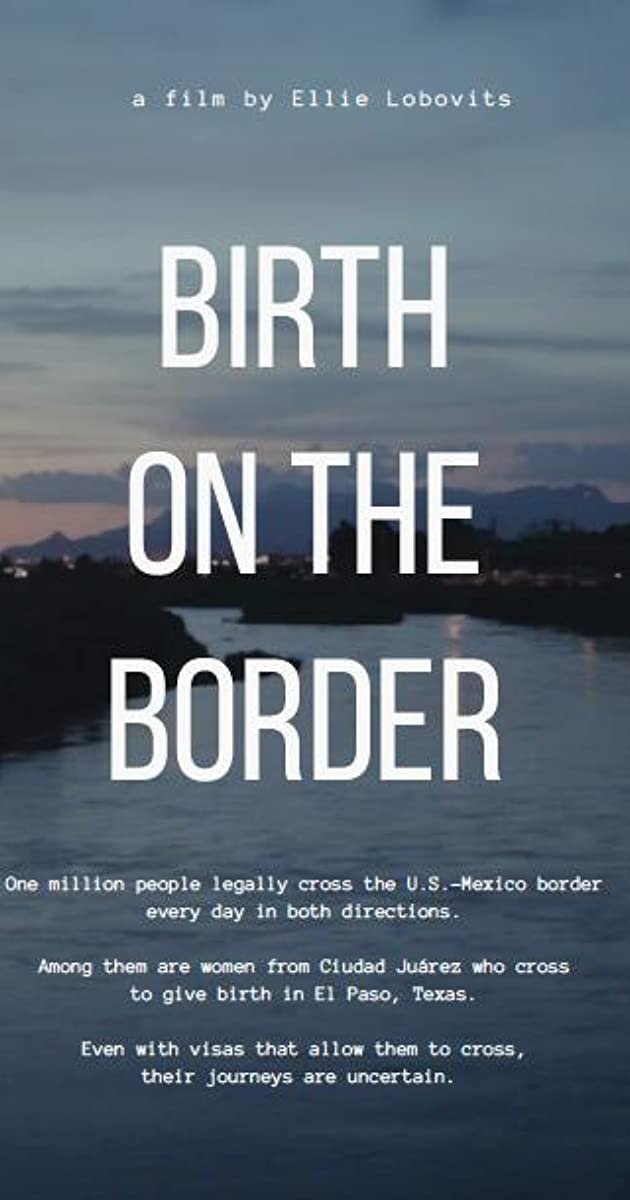
Birth on the border
Documentary
Overview
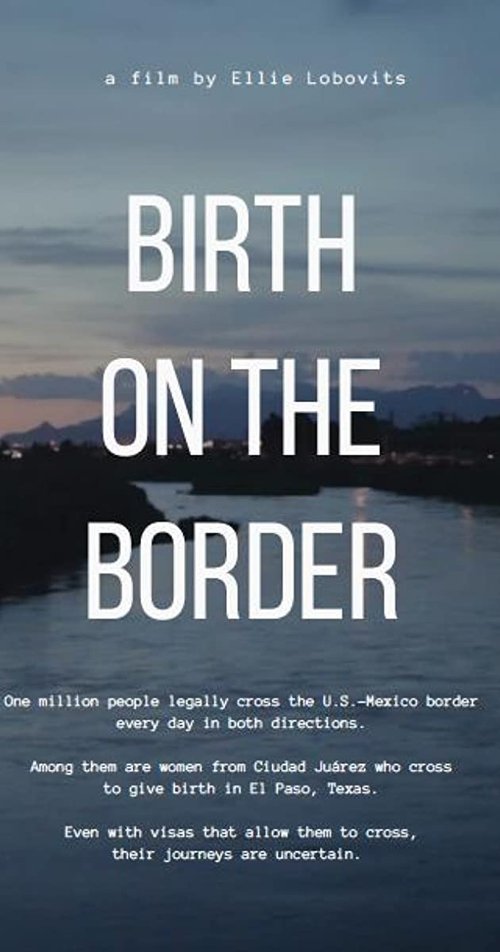
One million people legally cross the U.S.-Mexico border every day in both directions. Among them are women from Ciudad Juárez who cross to give birth in El Paso, Texas. Even with visas that allow them to cross, their journeys are uncertain. Gaby and Luisa, two women from Ciudad Juárez, cross legally into El Paso, Texas, in order to give birth. Two Chicana midwives in El Paso, Lina and Sandra, support the women who cross. After living through the extreme violence that engulfed Ciudad Juárez from 2008-2012 and with the looming threat of obstetrical violence in Mexican hospitals, Gaby and Luisa choose to cross, seeking a safer future for their children and the opportunity for natural childbirth with midwives. They risk losing their visas, getting turned back, and harassment at the hands of U.S. Border Patrol. Against the backdrop of oppressive U.S. border policy, these women's stories of risk and resilience reveal the complexities of life on the U.S.-Mexico border.









No cast information.
Similar Movies

This is the story of an ordinary man transformed by history. A simple baker from Besançon who became a political symbol of resistance. That of a France that knows how much it needs others to grow. Of working classes rejecting the siren calls of populism. He says: "I was nothing and I became a monster" to express the vertigo of his transformation. And so the baker entered politics, visited the United States in the footsteps of Martin Luther King, brought aid to the Ukrainians, and ran for legislative elections. Fearless. Fighting with all his heart. It is this inspiring, touching, and funny human epic that Pedro da Fonseca's camera followed closely, capturing his doubts, his hesitations, and his emotions.
Natives of the New World is a short documentary film shot on cell phones by the Kino Mosaik collective, which was founded in Lesbos Island, Greece, in 2018. The migrants who were members of the collective tried to transform the period when they were stuck in Lesbos waiting for the decision on their asylum applications into a constitutive process. Kino Mosaik’s main goal was to oppose the passive, apolitical, and victimized migrant image created by mainstream media and many artistic representations.
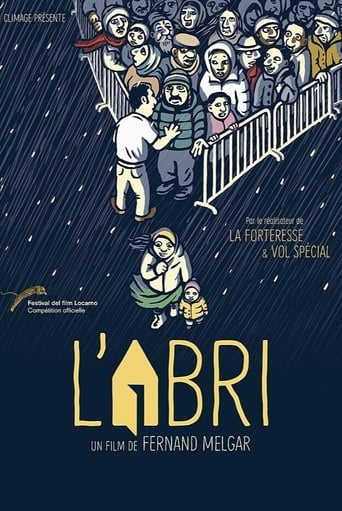
It is winter at an emergency shelter for the homeless in Lausanne. Every night at the door of this little-known basement facility the same entry ritual takes place, resulting in confrontations which can sometimes turn violent. Those on duty at the shelter have the difficult task of “triaging the poor”: the women and children first, then the men. Although the total capacity at the shelter is 100, only 50 “chosen ones” will be admitted inside and granted a warm meal and a bed. The others know it will be a long night.