

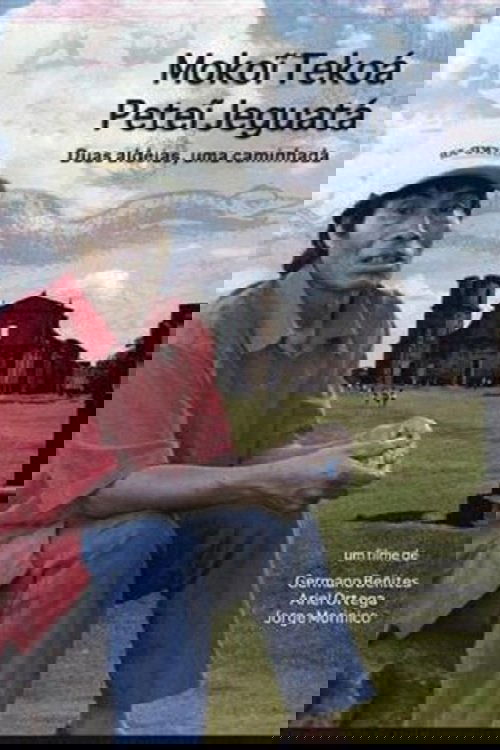
Two villages, one single walk
Documentary
Overview
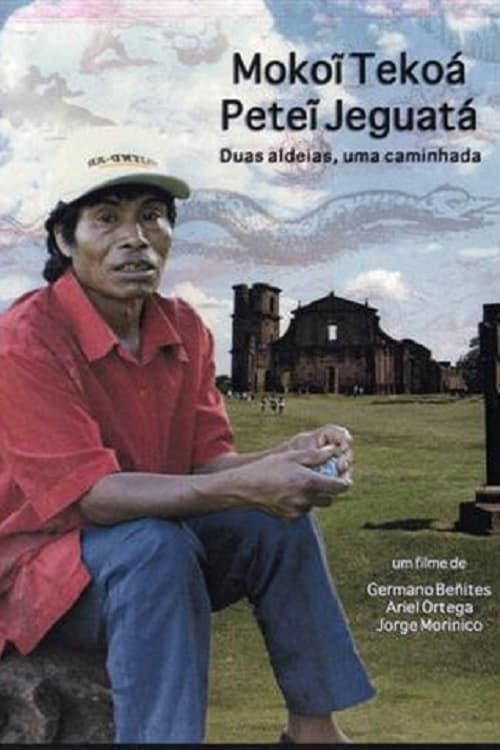
With no Forest left to hunt and no land to cultivate, the Maby-Guarani depend on the sale of their handcraft to survive. Three young Guarani filmmakers accompany the daily life of two comunities united by the same history, since the first contact with the Europeans until the intense coexistence with today’s White people.
No cast information.
Similar Movies
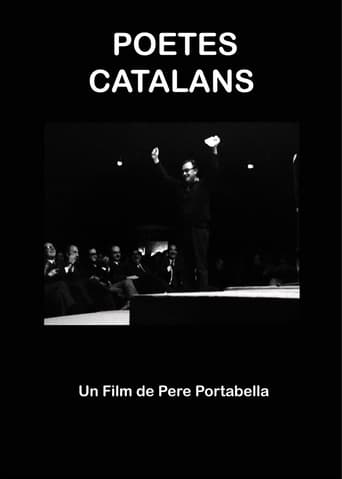
At underground film of the 1st Popular Festival of Catalan Poetry filmed in the Proce Theater in Barcelona on May 25, 1970, in solidarity with political prisoners. The participating poets were: Agustí Bartra, Joan Oliver (Pere IV), Salvador Espriu, Joan Brossa, Francesc Vallverdú and Gabriel Ferrater.
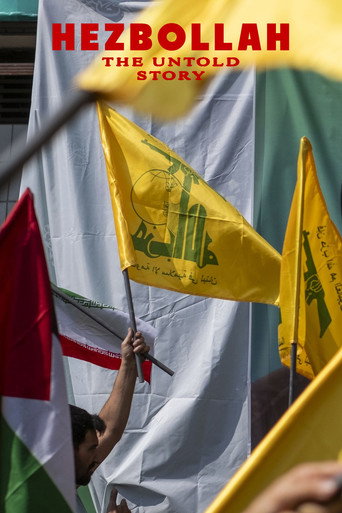
Born from war and shaped by conflict, the Lebanese resistance has endured decades of battles, invasions, and geopolitical shifts. This documentary traces its rise, its defining moments, and the sacrifices that kept it standing. But with the region in turmoil and Syria fallen and one question remains—how much longer can the resistance hold its ground?

In a behind-the-scenes look at the biggest political upset in recent history, Mark Halperin, John Heilemann and Mark McKinnon offer unprecedented access and never-before-seen footage of candidate Trump, from the primaries through the debates to the dawning realization that the controversial businessman will become the 45th President of the United States.
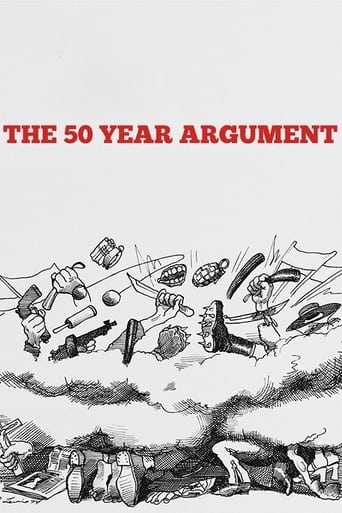
Follows the waves of literary, political, and cultural history as charted by the The New York Review of Books, America’s leading journal of ideas for over 50 years. Provocative, idiosyncratic and incendiary, the film weaves rarely seen archival material, contributor interviews, excerpts from writings by such icons as James Baldwin, Gore Vidal, and Joan Didion along with original verité footage filmed in the Review’s West Village offices.
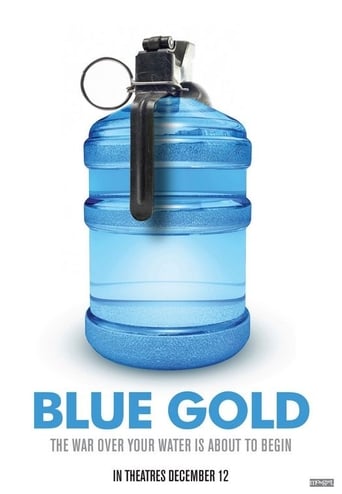
Wars of the future will be fought over water as they are over oil today, as the source of human survival enters the global marketplace and political arena. Corporate giants, private investors, and corrupt governments vie for control of our dwindling supply, prompting protests, lawsuits, and revolutions from citizens fighting for the right to survive.
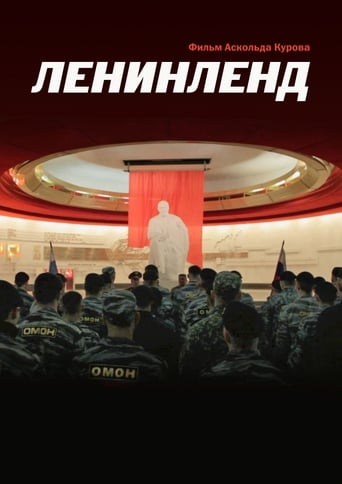
At the peak of Perestroika, in 1987, in the village of Gorki, where Lenin spent his last years, after a long construction, the last and most grandiose museum of the Leader was opened. Soon after the opening, the ideology changed, and the flow of pilgrims gradually dried up. Despite this, the museum still works and the management is looking for ways to attract visitors. Faithful to the Lenin keepers of the museum as they can resist the onset of commercialization. The film tells about the modern life of this amazing museum-reserve and its employees.
Presents the history of the conflict between the Canadian government and the Kwakiutl Indians of the Northwest Pacific over the ritual of the Potlatch. Archival photographs and films, wax roll sound recordings, police reports, the original potlatch files, and correspondence of agents form the basis of the reconstruction of period events, while the film centres on a Potlatch given today by the Cranmer family of Alert Bay.