


Seventy-Two Days
Comedy · Drama · Thriller
Overview
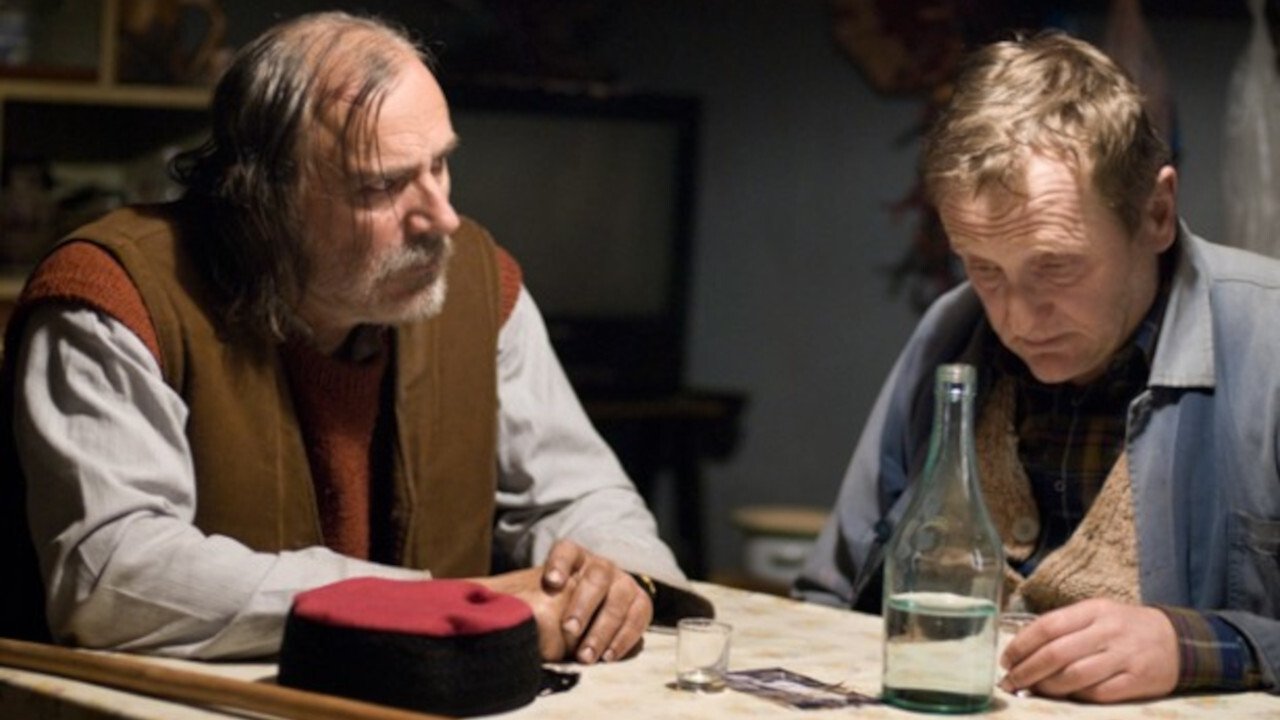
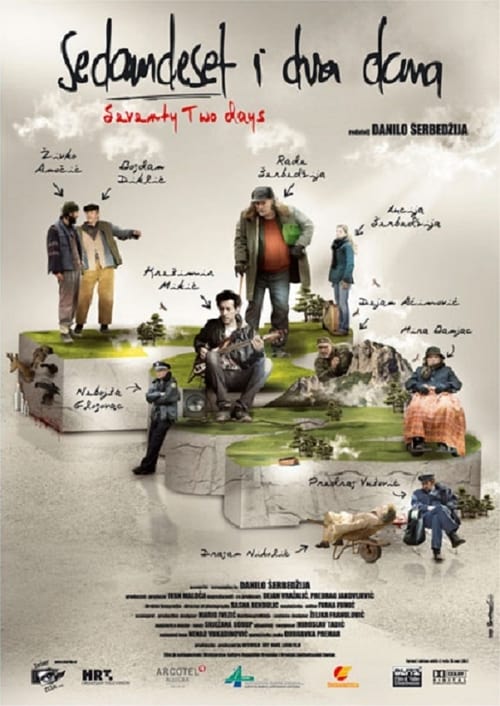
A family from isolated village in Lika makes a good living out of American pension earned by their late granddad Djuradj and received by his widow Nedja. The very existence of a family is threatened when Nedja dies, but the head of the family comes up with a cunning plan.




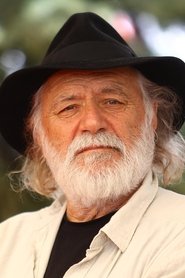
Rade Šerbedžija
Rade Šerbedžija
Mane
Rade Šerbedžija
Mane

Krešimir Mikić
Krešimir Mikić
Branko
Krešimir Mikić
Branko

Bogdan Diklić
Bogdan Diklić
Joja
Bogdan Diklić
Joja

Živko Anočić
Živko Anočić
Todor
Živko Anočić
Todor

Mira Banjac
Mira Banjac
Baba Neđa
Mira Banjac
Baba Neđa
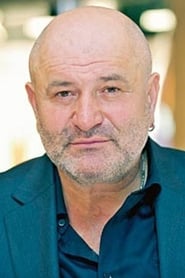
Dejan Aćimović
Dejan Aćimović
Mile
Dejan Aćimović
Mile

Lucija Šerbedžija
Lucija Šerbedžija
Lica
Lucija Šerbedžija
Lica
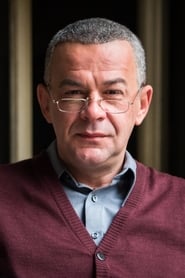
Nebojša Glogovac
Nebojša Glogovac
Policajac Dane
Nebojša Glogovac
Policajac Dane
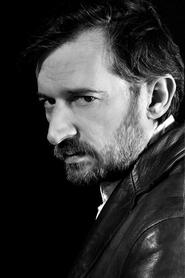
Predrag 'Pređo' Vušović
Predrag 'Pređo' Vušović
Postar Luka
Predrag 'Pređo' Vušović
Postar Luka
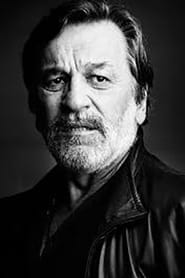
Dragoslav 'Dragan' Nikolić
Dragoslav 'Dragan' Nikolić
Kamatar 1
Dragoslav 'Dragan' Nikolić
Kamatar 1
Similar Movies
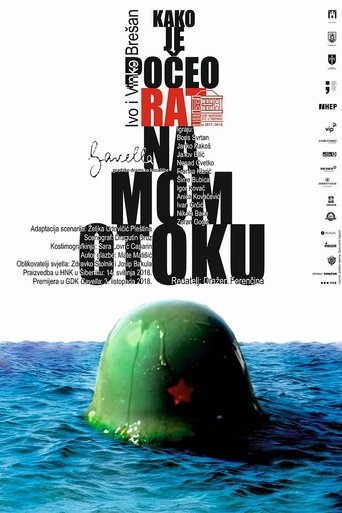
At the beginning of 1991, Yugoslav army did not acknowledge Croatian's independence, and still holding few military barracks in Croatia. Gajski travels to an island to get his son out of the army. Locals have besieged the barracks and organized a festival to try with singing and recitals to get major Aleksa and his soldiers to surrender, but Aleksa has explosives thru the barracks and wants to blow up the island.

Communist party commissar Ivica is sent to the lowland village to monitor the local partisan squad. Despite their disagreements he befriends their leader Dikan and they plan to evacuate the chief headquarters. Dikan also sees the opportunity to have his personal revenge on an enemy officer, responsible for death of one of his men.

Next to a small Dalmatian town of Murvice oil was found, and politicians make a hasty decision to build a tanker port, although there is no oil in the quantities required for exploitation. Urged by his ambitious wife, the engineer Slobodan Despot becomes director of the port construction, which his wife's lover skillfully exploits to use Despot as scapegoat. The construction of unprofitable airport gradually destroys the patriarchal structure of Murvice, as well as Despot's personal life and ideals, which he tried to restore by having affair with the young and unspoiled girl.
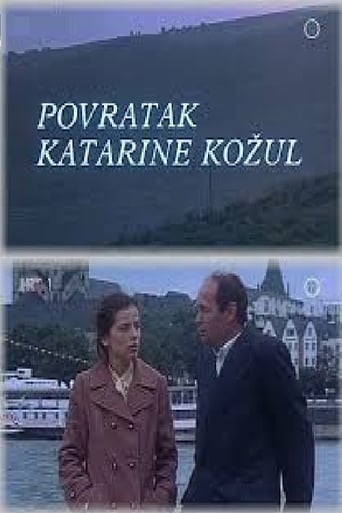
After her husband's death in Germany, an attractive young widow leaves his native village in Herzegovina to work abroad. There she starts an affair with an Italian worker that proves to be unsuccessful, yet she gets pregnant. She does an abortion, which is followed by another blow - her godfather Luka steals her hard-earned money.
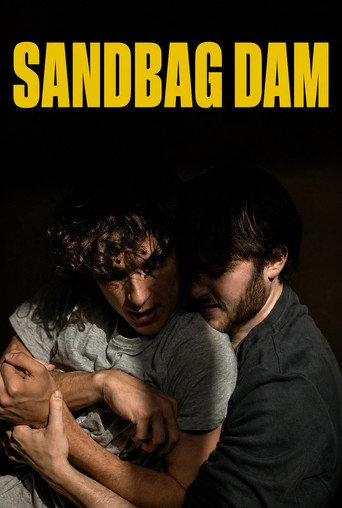
A story about a forbidden love set in a village threatened by swollen rivers. Upon his return home for his father’s funeral, Slaven revives his relationship with his childhood friend, a young sportsman named Marko, his teenage love, and the reason his father kicked him out of the house. Now tempted to reunite, they need to make peace with their own decisions and struggle against the family restraints.
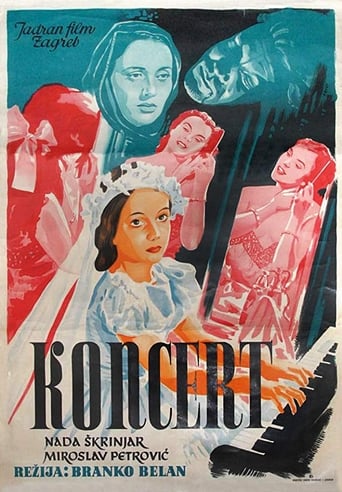
Celebrating the end of World War II and liberation of their city, a group of students is set on holding a cultural evening. They invite Ema, a reclusive piano teacher from the same building, to play for them. Ema declines, but starts reminscing back on her own life and the historical events that have seemingly overshadowed it.
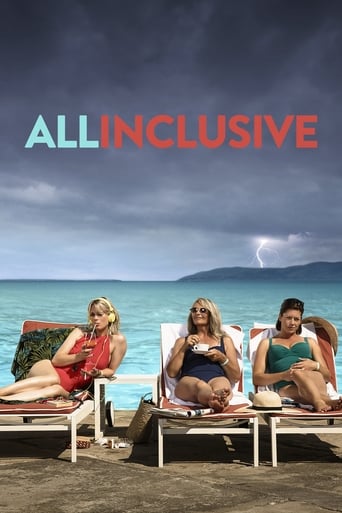
A trip to Croatia to celebrate Inger's 60th birthday. The whole thing sounded like a great idea until Inger caught her husband having an affair. When the plane takes off for Split the depressed Inger and her two daughters, much too sensible Malin (35) and chaotic Tove (32) are on board. Tove has to struggle to be included in Inger and Malin's circle, the sister's rivalry over their mother is so strong it quickly escalates into a competition of who can comfort Inger the best.
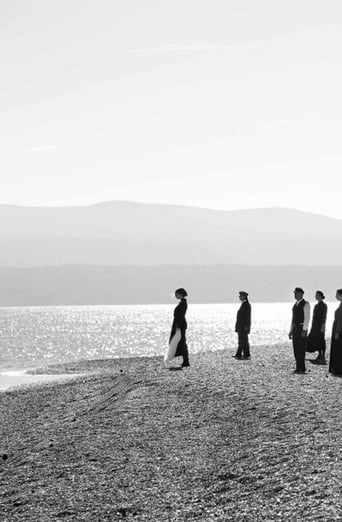
The video installation entitled Partenza (Italian for departure, and used in many of Croatia’s island and coastal dialects) express the global insecurity of contemporary society and the fragility of human existence. Metaphorically, they address a story about departure, waiting and separation, dictated by migrations. In the early 20th century, it was usual yet traumatic for men to leave Croatian islands (mostly bound for the countries of South America) due to poverty and hunger. One of these tragic stories is weaved into the author’s family history. The installation is inspired by the life story of Renata’s great-grandmother who lived on the island of Brač, whose husband went to Chile looking for work in order to secure his family’s future. Like many of the island’s women, she waited for her husband who, like many of the men, never returned.