

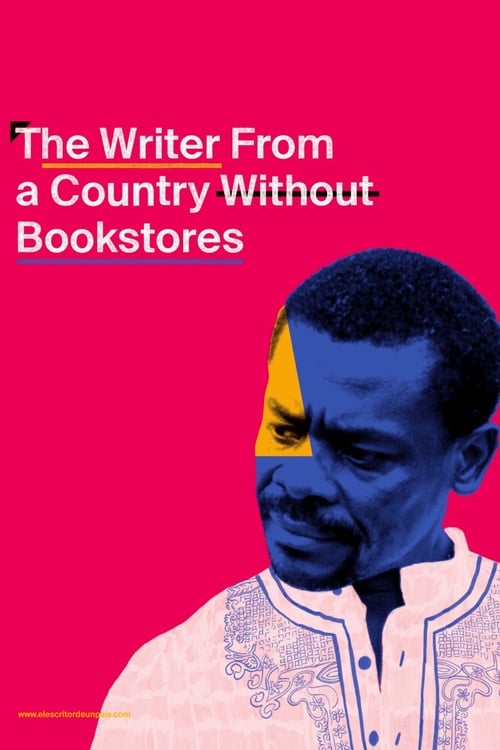
The Writer from a Country Without Bookstores
Documentary · History
Overview
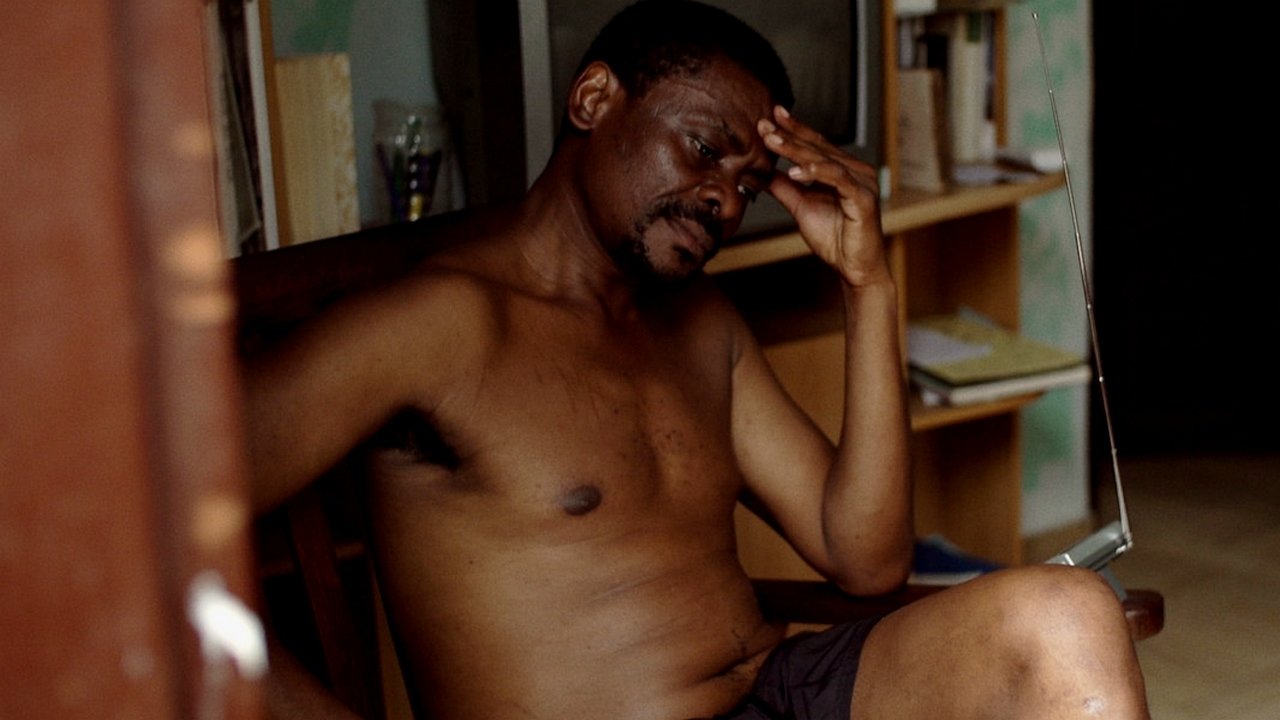
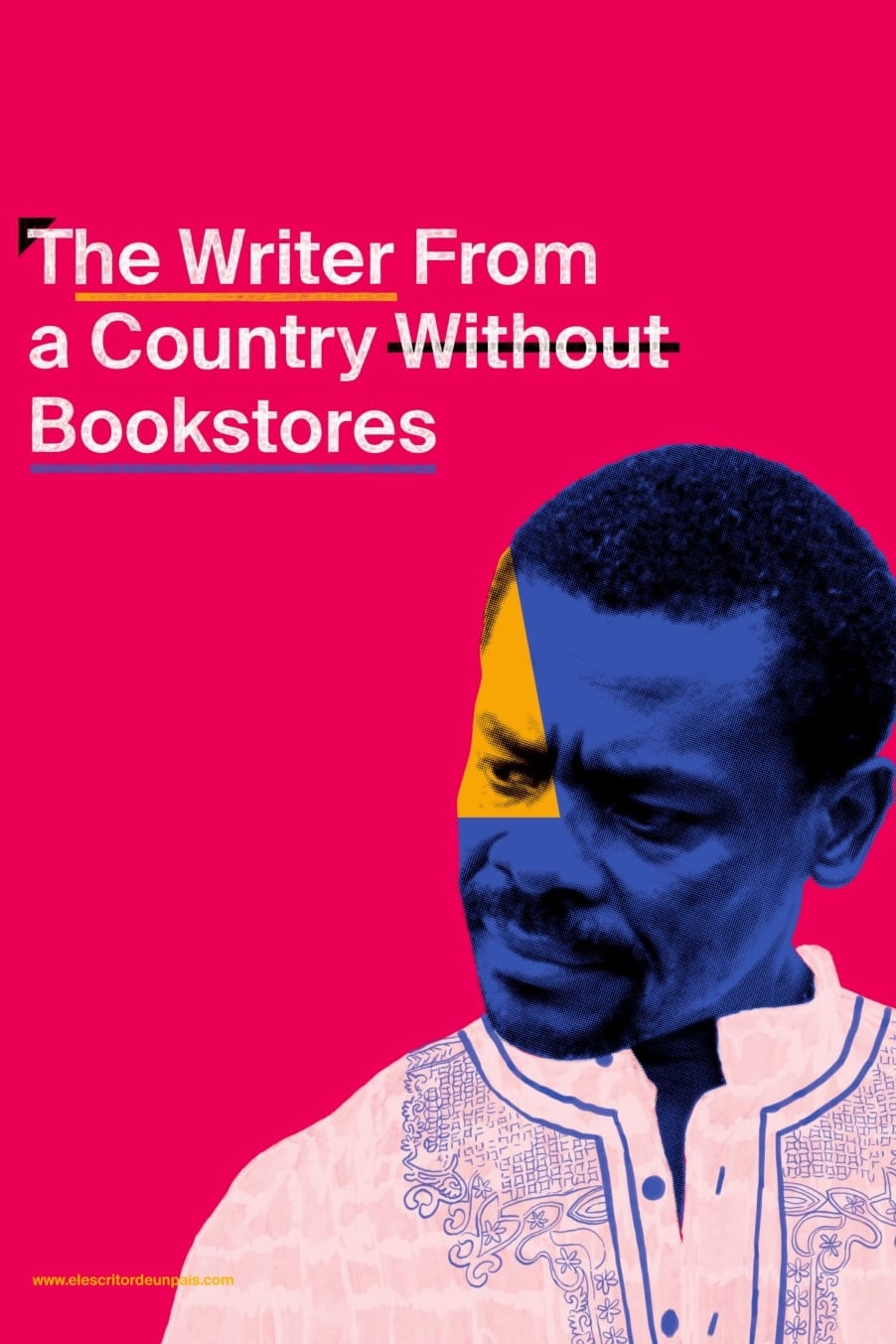
The ruthless dictator Teodoro Obiang has ruled Equatorial Guinea with an iron hand since 1979. Juan Tomás Ávila Laurel is the most translated Equatoguinean writer, but he had to flee the country in 2011, after starting a hunger strike denouncing the crimes of the dictatorship. Since then, he has lived in Spain, feeling that, despite the risks, he must return and fight the monster with words.




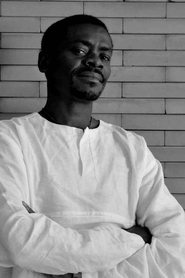
Juan Tomás Ávila Laurel
Juan Tomás Ávila Laurel
Self - Narrator / Writer
Juan Tomás Ávila Laurel
Self - Narrator / Writer
Negro Bey
Negro Bey
Self - Singer
Negro Bey
Self - Singer
Manuel Carrero Blanco
Manuel Carrero Blanco
Self - Politician (archive footage)
Manuel Carrero Blanco
Self - Politician (archive footage)
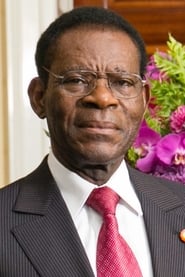
Teodoro Obiang Nguema
Teodoro Obiang Nguema
Self - Politician (archive footage)
Teodoro Obiang Nguema
Self - Politician (archive footage)
Teodoro Nguema Obiang
Teodoro Nguema Obiang
Self - Politician (archive footage)
Teodoro Nguema Obiang
Self - Politician (archive footage)
Similar Movies
A portrait of Chinese writer Liu Xiaobo (1955-2017), a witness of the Tiananmen Square massacre (1989), a dissident, a woodpecker who tirelessly pecked the putrid brain of the Communist regime for decades, demanding democracy loudly and fearlessly. Silenced, arrested, convicted, imprisoned, dead. Nobel Peace Prize winner in 2010, alive forever. These are his last words.
An exhaustive explanation of how the military occupation of an invaded territory occurs and its consequences, using as a paradigmatic example the recent history of Israel and the Palestinian territories, the West Bank and the Gaza Strip, from 1967, when the Six-Day War took place, to the present day; an account by filmmaker Avi Mograbi enriched by the testimonies of Israeli army veterans.
Among the many parts of the world in which Unilever companies operate, West Africa has a special place. The Africa of popular imagination is a land of jungles, swamps and mud huts; but side by side with the traditional, a new Africa is growing and the film "African Awakening” is an expression of this, of the attitudes of those African men and women who are today the driving force of West African progress. “African Awakening”, a colour film which runs for 38 minutes, is one of a series of Unilever films dealing with different aspects of African life.
Algeria, summer 1962, eight hundred thousand French people left their native land in a tragic exodus. But 200,000 of them decided to attempt the adventure of independent Algeria. Over the following decades, political developments would push many of these pieds-noirs into exile towards France. But some never left. Germaine, Adrien, Cécile, Guy, Jean-Paul, Marie-France, Denis and Félix, Algerians of European origin, are among them. Some have Algerian nationality, others do not. Some speak Arabic, others do not. They are the last witnesses to the little-known history of these Europeans who remained out of loyalty to an ideal, a taste for adventure and an unconditional love for a land where they were born, despite all the ups and downs that the free Algeria in full construction had to go through.
Sudan, Southern Kordofan, the Nuba Mountains in Africa. Scenes from the forgotten war that the fighters of the Nuba people have held since 2011 against the government of President Omar al-Bashir and the Sudanese army, which crudely show the hard daily life of Hannan, a brave woman fighting for the survival of her family; Jordania, a promising student; Mosquito, a reckless journalist; and Al-Bagir, a rebel leader.