


Dvorak Requiem
Music
Overview
Philippe Herreweghe, principal conductor of the Royal Flemish Philharmonic, has devoted himself for over ten years to fresh and invigorating readings of the (pre-) Romantic repertoire. Together with the Collegium Vocale, founded in 1970 by Philippe Herreweghe himself, and superb soloists they perform Dvorak’s Requiem. A modern and stylistically flexible symphony orchestra, the Royal Flemish Philharmonic demonstrates an artistic flair which allows for a variety of styles and occupies a unique position in Flanders. Collegium Vocale Gent were one of the first ensembles to use new ideas about baroque performance practice in vocal music. Their authentic, text-oriented and rhetorical approach gave the ensemble the transparent sound with which it would acquire world fame and perform at the major concert venues and music festivals all over the world.
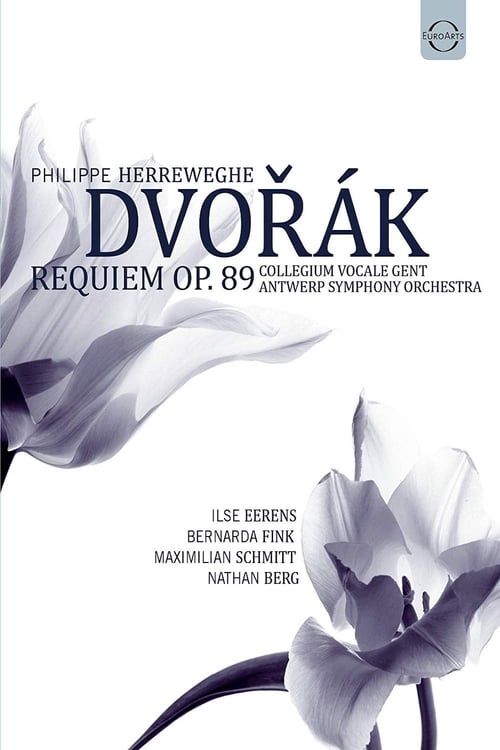
Ilse Eerens
Ilse Eerens
Herself
Ilse Eerens
Herself
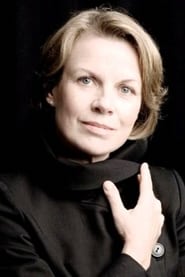
Bernarda Fink
Bernarda Fink
Herself
Bernarda Fink
Herself
Maximilian Schmitt
Maximilian Schmitt
Himself
Maximilian Schmitt
Himself
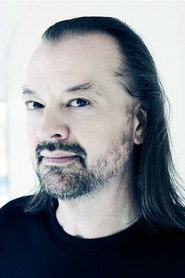
Nathan Berg
Nathan Berg
Himself
Nathan Berg
Himself

Philippe Herreweghe
Philippe Herreweghe
Conductor
Philippe Herreweghe
Conductor
Similar Movies
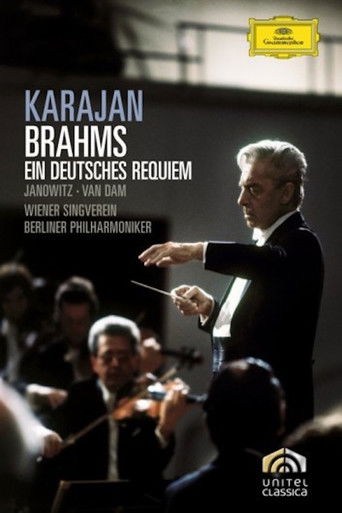
This unique document from the 1978 Salzburg Festival has fortunately been released on DVD and is a magical interpretation, prodigiously realized with a sublime fusion of timbres, a cohesion and ultimately, a simplicity that are truly unequalled. Listen as this great conductor produces musical nuisances that are unique to his art and how he accompanies the soloists with understanding and rapport. I have no hesitation in claiming this is one of the great recordings of the century.
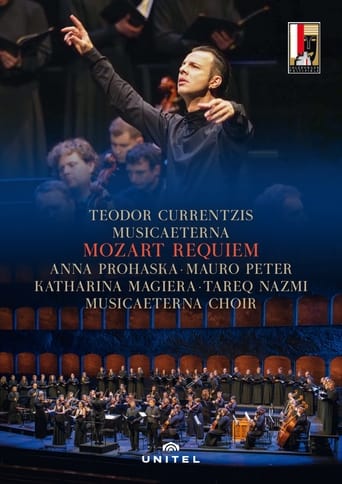
Mozart’s Requiem – his final and unfinished masterpiece – is an extraordinary work. Discover the piece at the Salzburg Festival in the hands of conductor Teodor Currentzis, the ensemble musicAeterna, Anna Prohaska (soprano), Katharina Magiera (contralto), Mauro Peter (tenor), and Tareq Nazmi (bass). Few musical works are as steeped in legend as Mozart’s Requiem in D minor, K. 626. Commissioned anonymously by the eccentric count Franz von Walsegg, the funereal oeuvre would become Mozart’s last: when he died on December 5, 1791, only the Requiem aeternam and Kyrie movements were fully composed and orchestrated. Completed by other composers (Mozart’s student Franz Xaver Süssmayer in particular) using Mozart’s sketches and notes, the resulting work weaves the emotions we associate with death into a timeless musical exploration of every human being’s destiny, and constitutes a powerful final testament to its creator’s genius.
Benjamin Britten's monumental anti-war oratorio from the Vladislav Hall of Prague Castle in memory of war veterans and victims. British composer Benjamin Britten wrote War Requiem in 1962 on the occasion of the restoration of the war-damaged cathedral in Coventry. He used the traditional, codified Latin text of the requiem – a mass for the dead – interspersed with verses by Wilfred Owen, a British officer who wrote his poems directly in the trenches of World War I. More than two hundred artists then joined their voices in the Vladislav Hall of Prague Castle as part of the Prague Sounds festival for a symbolic performance of the work, which is rarely performed due to its demanding nature and large cast.