


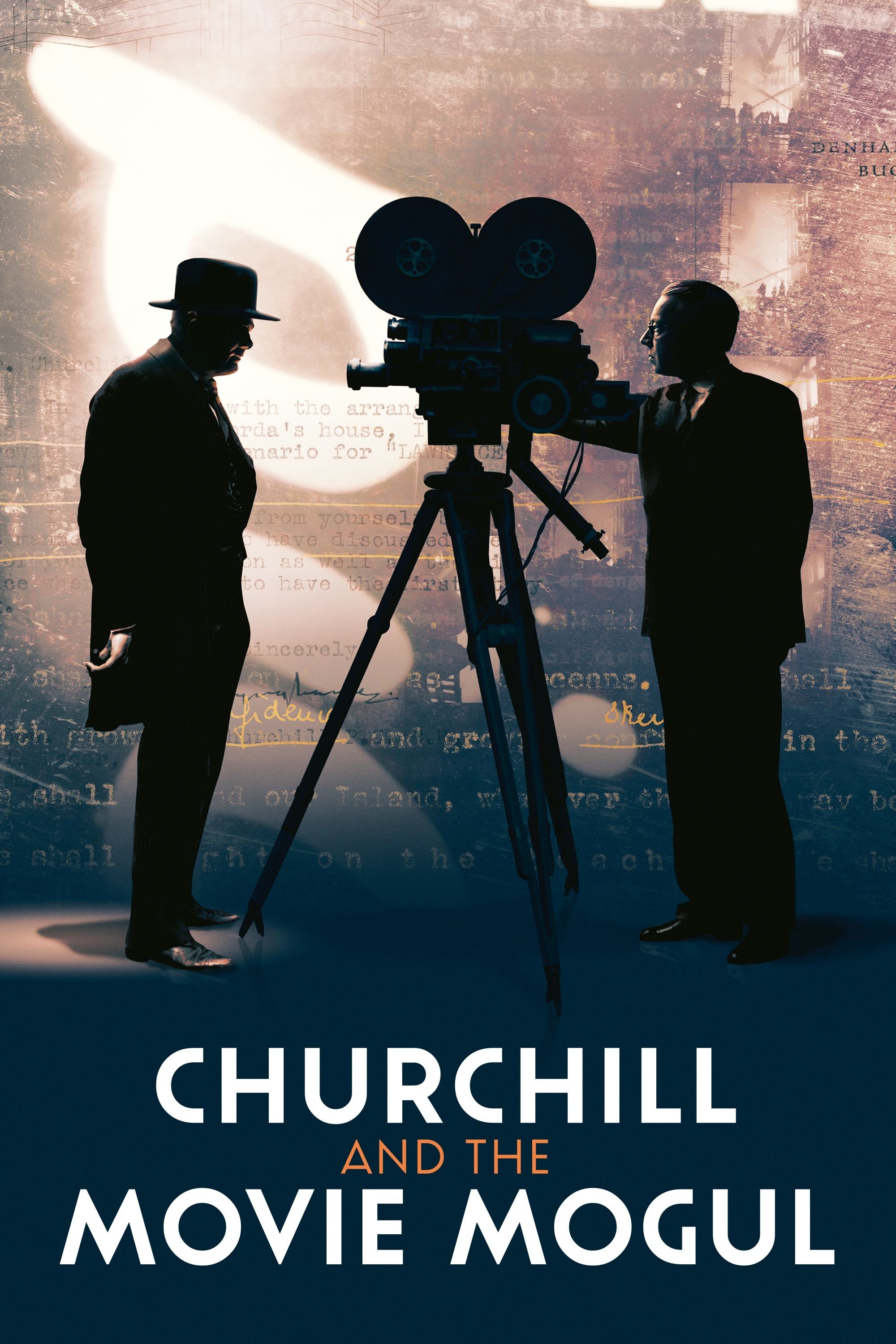
Churchill and the Movie Mogul
Documentary · War
Overview
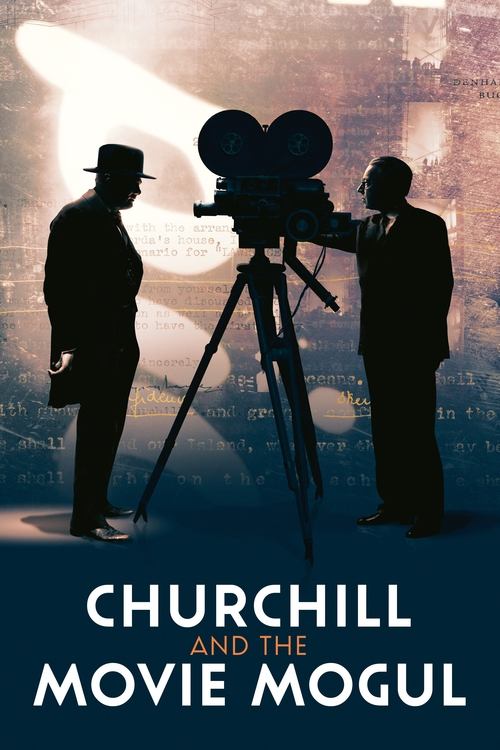
Winston Churchill understood the power of films, but the true extent of his use of cinema as a propaganda tool is rarely explored. In 1934, one of Britain's most celebrated film producers, Alexander Korda, signed Churchill up as a screenwriter and historical advisor. It was the start of a unique collaboration. Churchill provided script notes for Korda's productions and penned an epic screenplay. When war broke out, their collaboration took on national importance. Korda was sent on a mission to Hollywood to help bring America into the war, with positive results. With access to previously undiscovered documents, this film documentary examines that mission and a friendship that underpinned a unique, creative partnership.






Dilly Barlow
Dilly Barlow
Narrator (voice)
Dilly Barlow
Narrator (voice)
Charles Barr
Charles Barr
Self
Charles Barr
Self
Charles Drazin
Charles Drazin
Self
Charles Drazin
Self

Stephen Fry
Stephen Fry
Self
Stephen Fry
Self
David Lough
David Lough
Self
David Lough
Self
Jonathan Rose
Jonathan Rose
Self
Jonathan Rose
Self
David Thomson
David Thomson
Self
David Thomson
Self
Greg Walker
Greg Walker
Self
Greg Walker
Self
Lady Williams
Lady Williams
Self
Lady Williams
Self
Ian Beyts
Ian Beyts
Churchill (voice)
Ian Beyts
Churchill (voice)
Similar Movies
An exploration —manipulated and staged— of life in Las Hurdes, in the province of Cáceres, in Extremadura, Spain, as it was in 1932. Insalubrity, misery and lack of opportunities provoke the emigration of young people and the solitude of those who remain in the desolation of one of the poorest and least developed Spanish regions at that time.

In an Arctic village in 1931, British mapmaker Walter Russell selects 12-year-old Eskimo Avik as his guide. When the boy contracts tuberculosis, Walter flies him to a Montreal hospital, where Avik meets Albertine and is infatuated. A decade later, a grown Avik encounters Albertine again in London, where he's serving as a British combat pilot. Despite her relationship with Walter, she and Avik begin an affair.
Riding the Rails offers a visionary perspective on the presumed romanticism of the road and cautionary legacy of the Great Depression. The filmmakers relay the experiences and painful recollections of these now-elderly survivors of the rails. Forced to travel more by economic necessity than the spirit of adventure, the film's subjects dispel romantic myths of a hobo existence and its corresponding veneer of freedom. Riding the Rails recounts the hoboes' trade secrets for survival and accounts of dank miseries, loneliness, imprisonment, death, and dispossession. Sixty years later, the filmmakers transport their subjects back to the tracks, where the surging impact of sound and movement resuscitates memories of a shattered adolescence and devastating rite of passage.
The story of the rape of Nanking, one of the most tragic events in history. In 1937, the invading Japanese army murdered over 200,000 and raped tens of thousands of Chinese. In the midst of this horror, a small group of Western expatriates banded together to save 250,000. Nanking shows the tremendous impact individuals can make on the course of history.

After the “September 18 Incident” in 1931, Japanese forces occupied Northeast China. University student Bai Yihua was ordered to return to his hometown, Liaoyang, posing as a teacher to secretly organize anti-Japanese resistance. However, constant threats put his mission and identity at risk. As enemy and ally clashes intensify and his cover nears exposure, can Bai Yihua uncover the traitor, break through the siege, and turn the tide of the resistance?
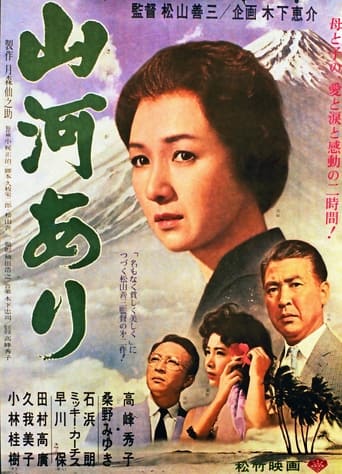
In 1919, a group of Japanese immigrants arrives in Hawaii. Among them Yoshio Inoue and his wife Kishimo and Sumi, a young woman ready to get married soon. With the soil that is hard to work and the subtropical climate, the immigrants have to cope with a hard life. But after years of hard work, Yoshio finds work as a teacher while his wife manages to open a small grocery store. But with the war around the corner, life becomes more and more complicated for the Japanese immigrants in a foreign country.
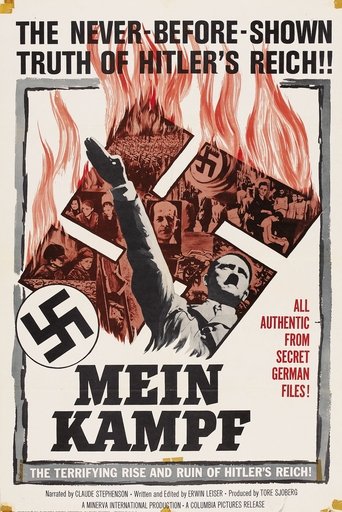
Using exclusively archival footage, Erwin Leiser traces the rise and collapse of the Third Reich, from Adolf Hitler’s early years to the devastation of Europe and his suicide in 1945. The film draws heavily on material produced and preserved by the Nazi propaganda apparatus to confront the mechanisms, imagery, and consequences of totalitarian power.