

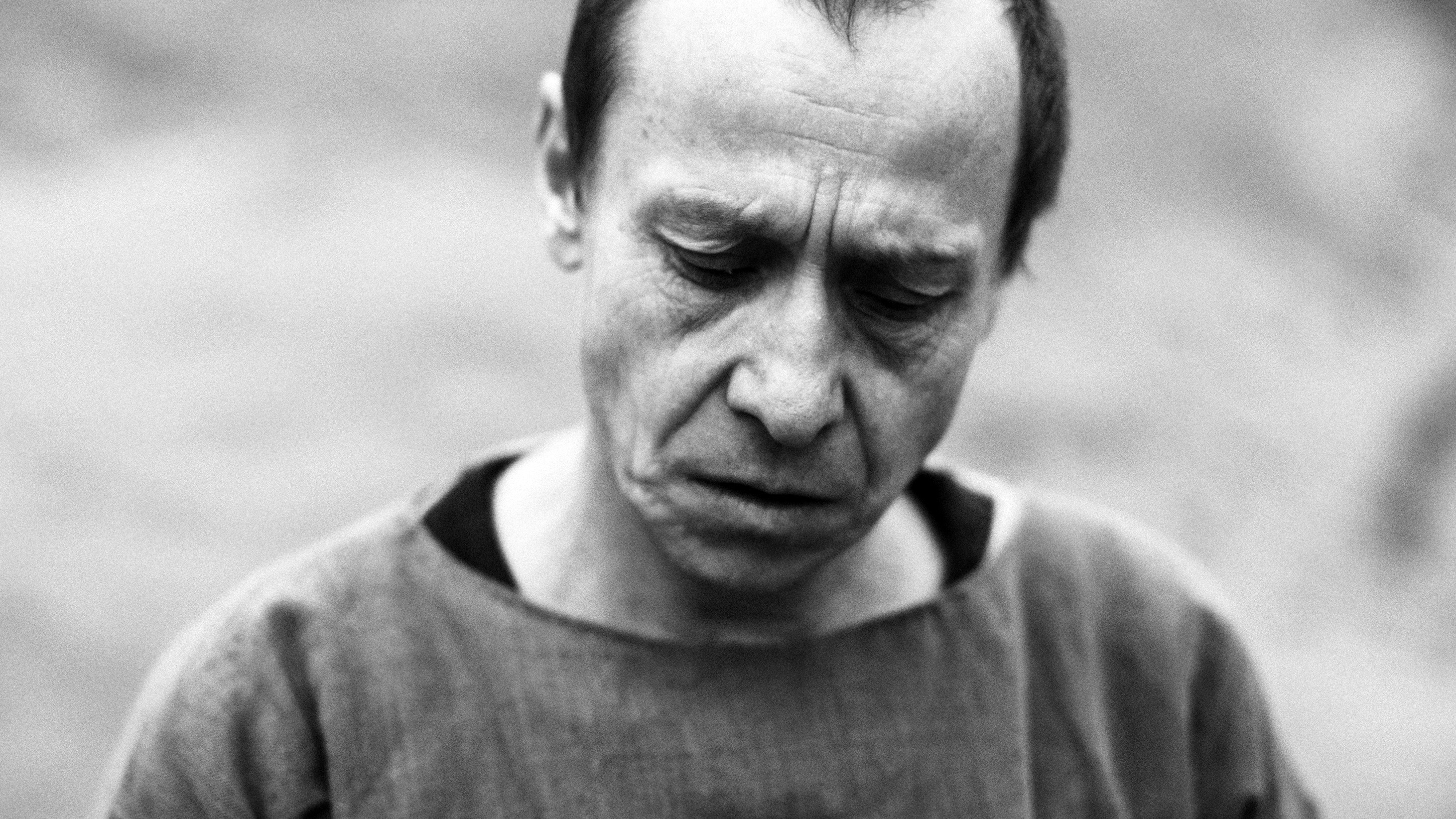
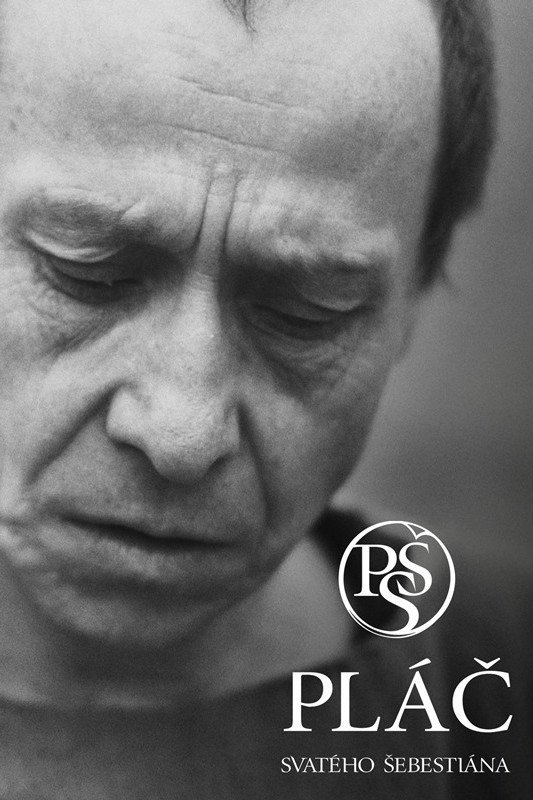
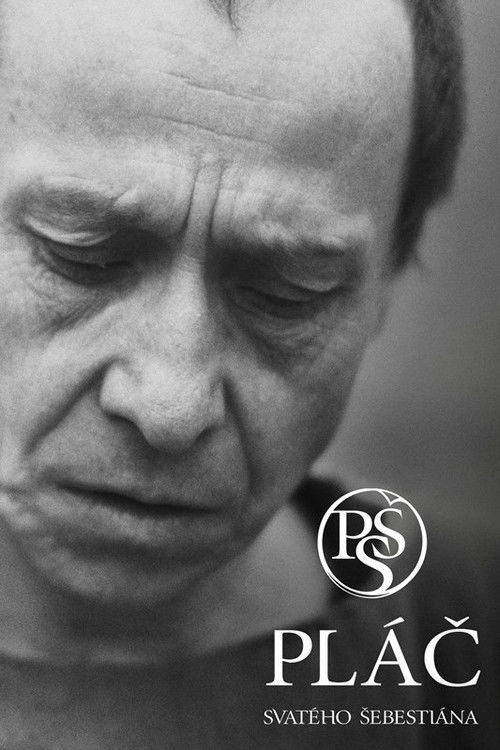
Pláč svatého Šebestiána
Drama · Drama
Overview
A historical film with balladic features set in 1348, when Europe was struggling with the greatest plague epidemic to date. The film strives to portray the Middle Ages as authentically as possible and to create a specific symbolic space in which ideas, dreams, and cultural archetypes are as tangible as beings and objects.












Ondřej Malý
Ondřej Malý
Gottfried
Ondřej Malý
Gottfried
Ján Smolka
Ján Smolka
Siegfried
Ján Smolka
Siegfried

Kamila Janovičová
Kamila Janovičová
Ulrike
Kamila Janovičová
Ulrike

Matouš Ruml
Matouš Ruml
Matouš Ruml

Tereza Rumlová
Tereza Rumlová
Tereza Rumlová

Pavla Dostálová
Pavla Dostálová
Pavla Dostálová

Filip Kaňkovský
Filip Kaňkovský
Filip Kaňkovský

Jiří Kohout
Jiří Kohout
Jiří Kohout
Zdeněk Julina
Zdeněk Julina
Zdeněk Julina
Martin Sítek
Martin Sítek
Martin Sítek
Similar Movies
Ivan Mussak, the head of the Russian secret police, is responsible for the murders of thousands of Jews and the forced exile of thousands more. Isaac Gruenstein and his infant daughter Miriam are the only members of his family to survive one of Mussak's massacres, and Isaac is exiled to Siberia. Miriam, however, becomes Mussak's ward and is raised by nuns in a convent. Eighteen years later Isaac dies in Siberia, but before he does he writes a note to his daughter and gives it to fellow prisoner Rachel Shapiro, who manages to escape and, by chance, finds Miriam. However, circumstances have changed in the past 18 years--and Miriam is now Mussak's mistress.
Marion is a woman who has learned to shield herself from her emotions. She rents an apartment to work undisturbed on her new book, but by some acoustic anomaly she can hear all that is said in the next apartment in which a psychiatrist holds his office. When she hears a young woman tell that she finds it harder and harder to bear her life, Marion starts to reflect on her own life. After a series of events she comes to understand how her unemotional attitude towards the people around her affected them and herself.
At the turn of the 10th and 11th centuries Boleslav's kingdom fell apart in the fratricidal war between the Přemyslovci and the other clans the main profiteer of this being the German emperor. At that time it seemed as if the Czech state and the lineage of its princes was awaiting its end..." It is with these words that the tale of this film begins, whose narrative is based upon the the play by František Hrubín of the same name.
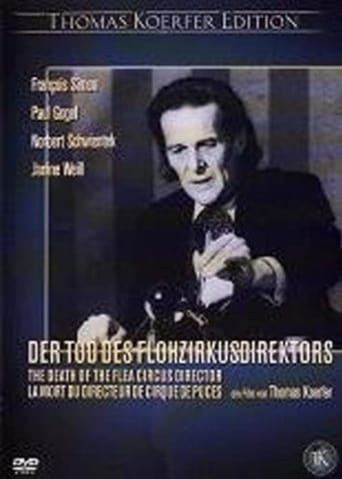
With the help of his assistant Anja, Ottocaro Weiss intends to put the plague on stage: circumstances beyond his control and a lack of fresh talent have forced him to close down his flea circus. For Weiss, the plague means the «extinction of everything that makes life miserable and low and freedom along with it. Unbeknownst to him, he has won the support of a patron who is of the exact opposite opinion: for Johannes Wagner, the plague is an organising principle, and, aided by his agent Moosbrugger, he is able to smuggle a new number onto the programme. Whereas Ottocaro Weiss means to represent the plague theatrically, what appears on stage is the scientific reality of the rat-borne infestation.