


Documentary · History
Overview
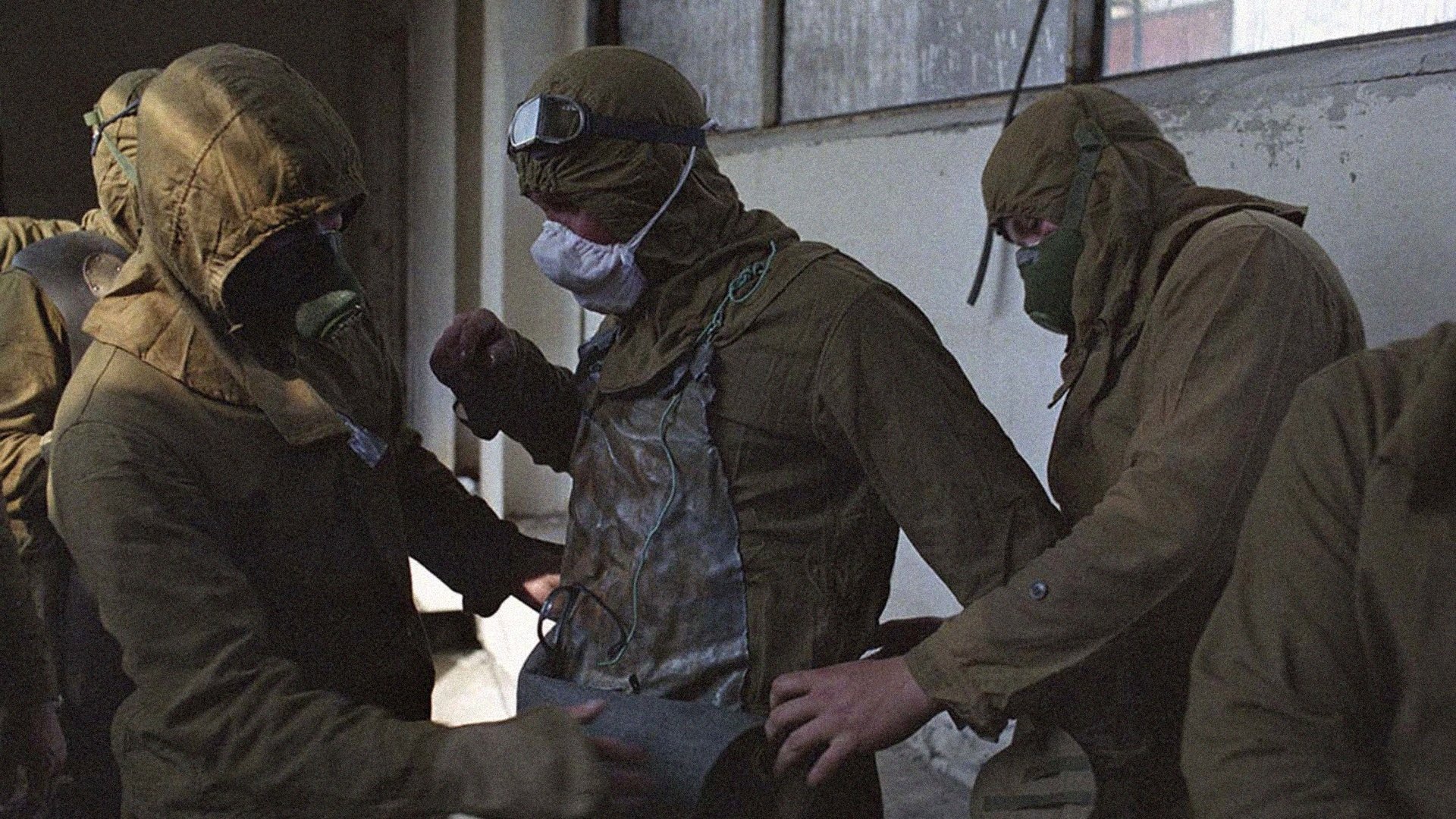
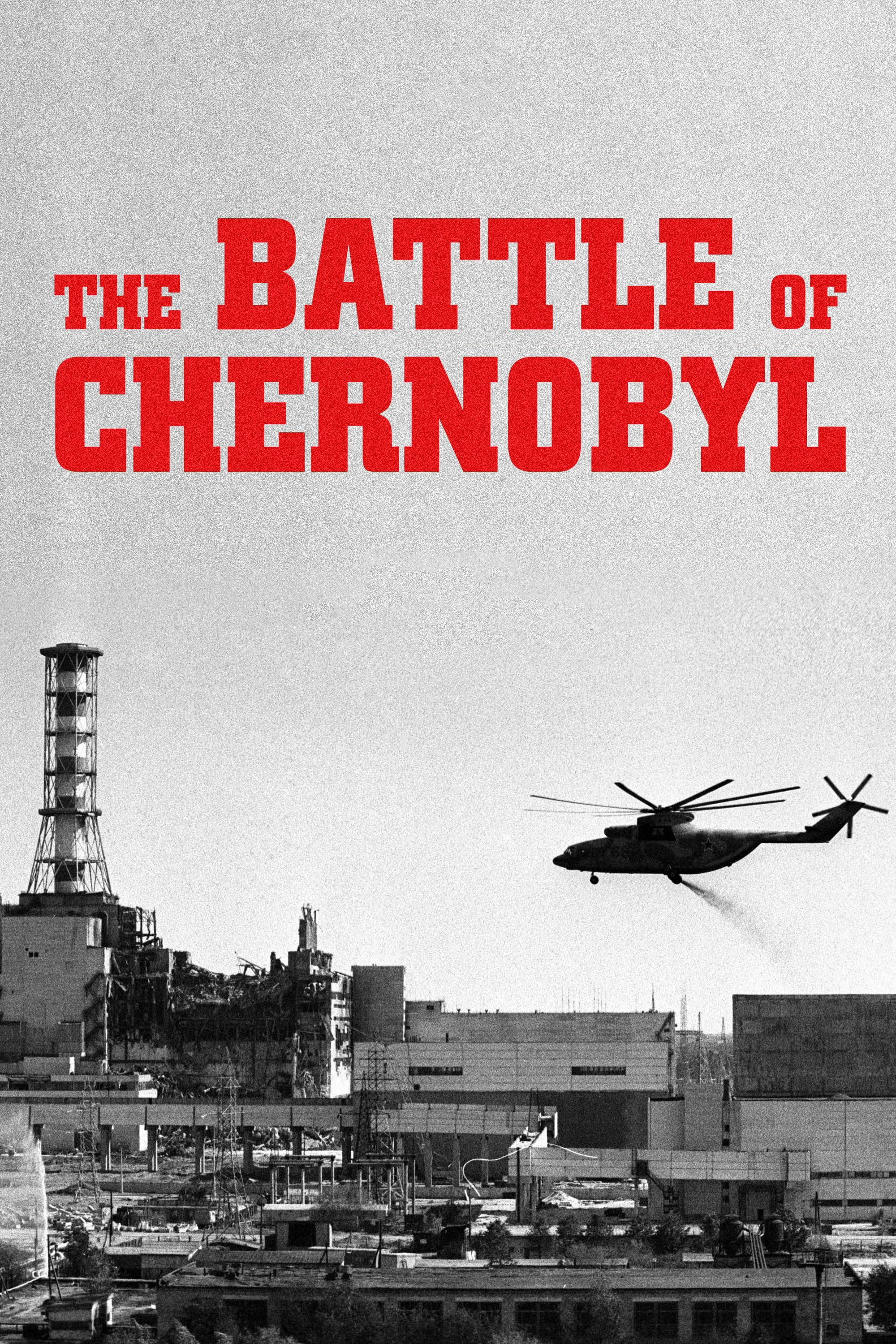
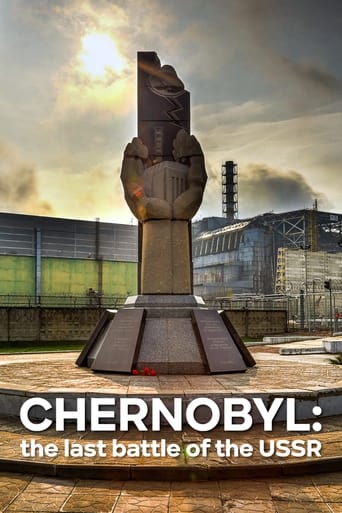
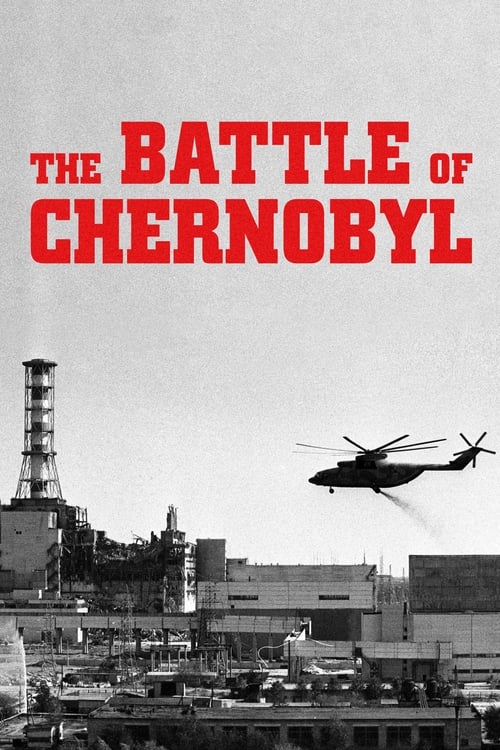
On April 26, 1986, a 1,000 feet high flame rises into the sky of the Ukraine. The fourth reactor of the Chernobyl nuclear power plant just exploded. A battle begins in which 500,000 men are engaged throughout the Soviet Union to "liquidate" the radioactivity, build the "sarcophagus" of the damaged reactor and save the world from a second explosion that would have destroyed half of Europe. Become a reference film, this documentary combines testimonials and unseen footage, tells for the first time the Battle of Chernobyl.



Tim Birkett
Tim Birkett
Narrator
Tim Birkett
Narrator
Mikhail Gorbachev
Mikhail Gorbachev
Self
Mikhail Gorbachev
Self
Hans Blix
Hans Blix
Self
Hans Blix
Self

Oleg Mirochnikov
Oleg Mirochnikov
Self - Translator
Oleg Mirochnikov
Self - Translator
Similar Movies
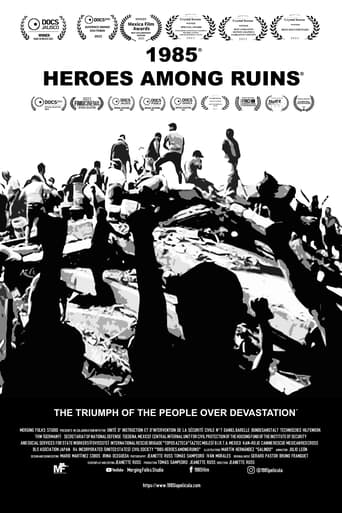
"1985: Heroes among Ruins" is a reflection of disaster. It is about the human solidarity, the search and rescue and the importance of civil protection, but above all, the triumph of the people over devastation during the earthquake of September 19, 1985 in Mexico City and the one ocurred in September 19, 2017.
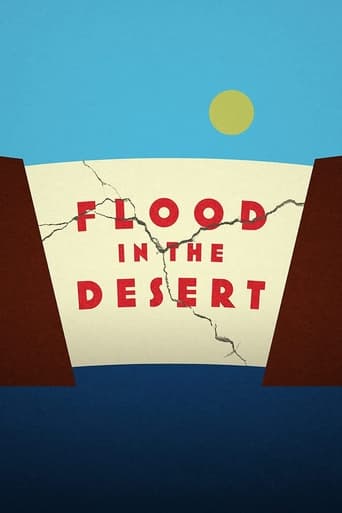
Explore the 1928 collapse of the St. Francis Dam, the second deadliest disaster in California history. A colossal engineering and human failure, the dam was built by William Mulholland, a self-taught engineer who ensured the growth of Los Angeles by bringing the city water via aqueduct. The catastrophe killed more than 400 people and destroyed millions of dollars of property.
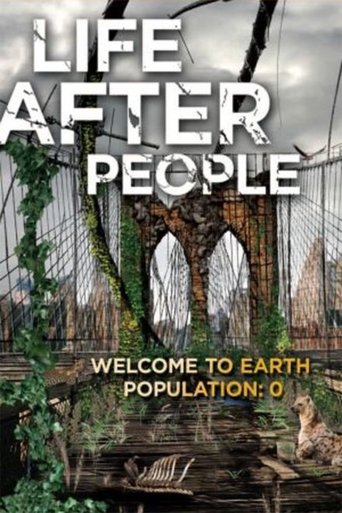
In this special documentary that inspired a two-season television series, scientists and other experts speculate about what the Earth, animal life, and plant life might be like if, suddenly, humanity no longer existed, as well as the effect humanity's disappearance might have on the artificial aspects of civilization.
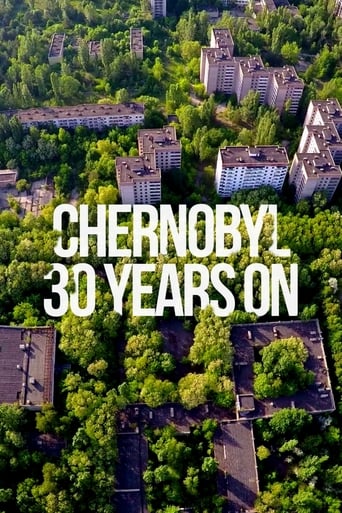
Thirty years after the Chernobyl disaster, which occurred on the night of April 26, 1986, its causes and consequences are examined. In addition, a report on efforts to strengthen the structures covering the core of the nuclear plant in order to better protect the population and the environment is offered.
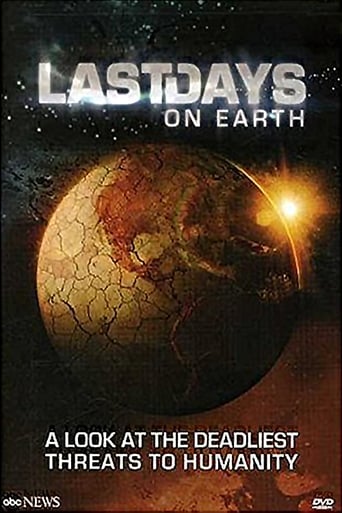
How secure is our future? This eye-opening documentary -- which uses computer-generated imagery to illustrate an asteroid collision, black holes and worldwide plagues, among other threats -- explores seven scenarios that could spell the end of the world. Interviews with noted scientists examine the extent of preparations for these cataclysmic events and what's being done to save future generations from extinction.

The true story of technical troubles that scuttle the Apollo 13 lunar mission in 1970, risking the lives of astronaut Jim Lovell and his crew, with the failed journey turning into a thrilling saga of heroism. Drifting more than 200,000 miles from Earth, the astronauts work furiously with the ground crew to avert tragedy.
Dr. Helen Caldicott is the most prominent anti-nuclear activist in the world. She's been featured on CNN, 60 Minutes, CBC and Democracy Now. In the 80s, Helen Caldicott campaigned against nuclear weapons testing in the pacific (still responsible today for the majority of tritium we're exposed to), and against the notion of a winnable nuclear war. She was nominated for a Nobel Peace Prize for her efforts. She has always made inaccurate statements regarding civilian nuclear power. But, since the Fukushima-Diachii radiation release has caused (and is projected to cause) zero fatalities... http://www.unis.unvienna.org/unis/en/... ...her tone has changed when speaking to supporters. This has not been acknowledged by prime-time media, as they continue to use her as a source. Any person or media outlet should check Caldicott's history of statements (on any subject) against a domain expert before using her as a source.