


Documentary · History
Overview
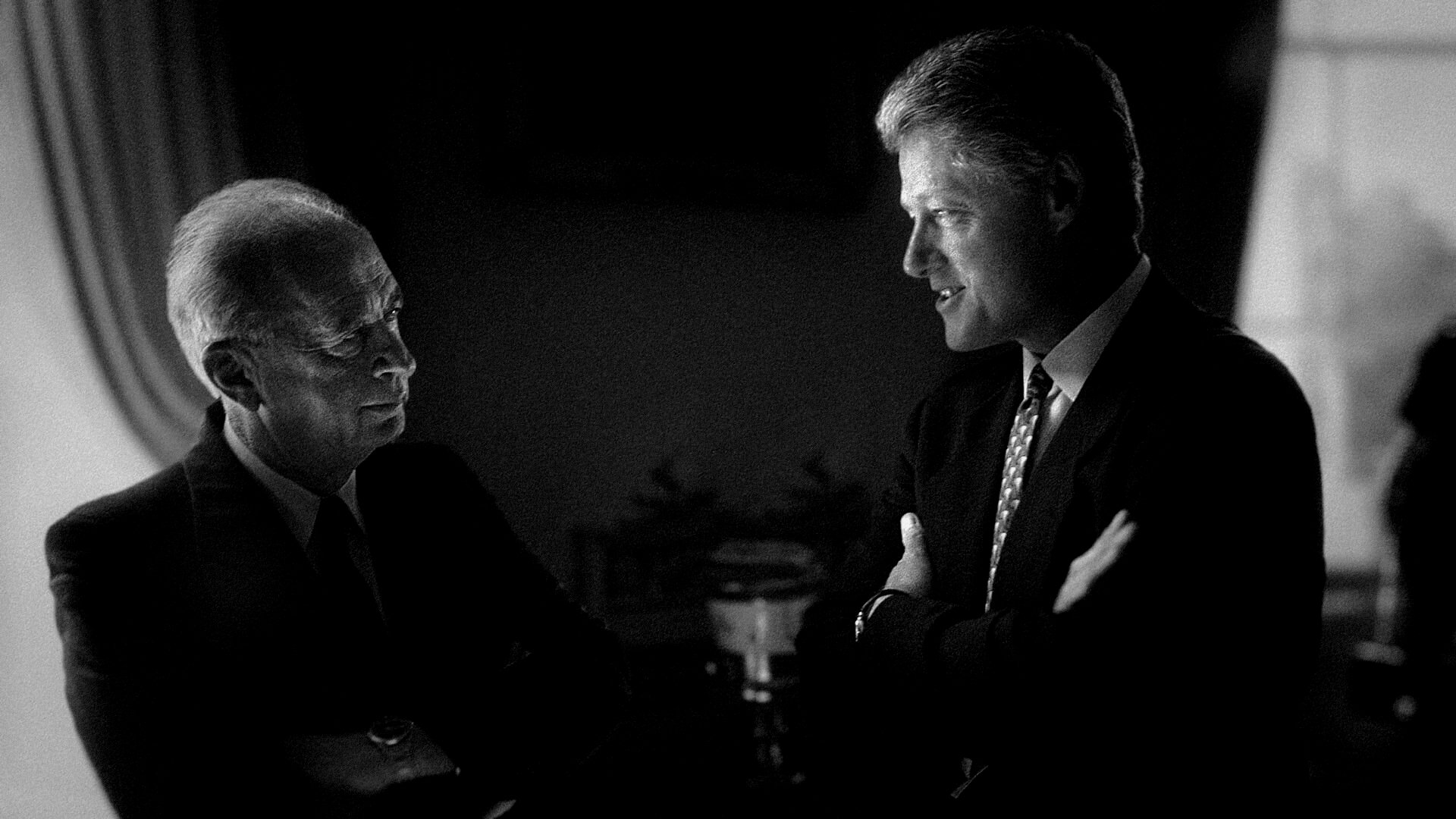
How US politicians and diplomats, over the past 25 years, have come close to achieving something almost impossible: securing peace between the State of Israel and its Arab and like-minded neighbors, mired in a struggle both dialectical and violent since the early 20th century, due to historical and religious reasons, entrenched offenses and prejudices, and the invisible and tyrannical hand of third countries' geopolitical interests in the area.

Dennis Ross
Dennis Ross
Self - Negotiator
Dennis Ross
Self - Negotiator
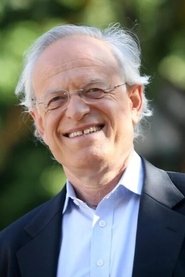
Martin Indyk
Martin Indyk
Self - Negotiator
Martin Indyk
Self - Negotiator
Gamal Helal
Gamal Helal
Self - Negotiator
Gamal Helal
Self - Negotiator
Aaron Miller
Aaron Miller
Self - Negotiator
Aaron Miller
Self - Negotiator
Daniel Kurtzer
Daniel Kurtzer
Self - Negotiator
Daniel Kurtzer
Self - Negotiator
Robert Malley
Robert Malley
Self - Negotiator
Robert Malley
Self - Negotiator
Similar Movies
As played out by a theatre troupe, the last days of Jesus Christ are depicted from the perspective of Judas Iscariot, his betrayer. As Jesus' following increases, Judas begins to worry that Jesus is falling for his own hype, forgetting the principles of his teachings and growing too close to the prostitute Mary Magdalene.
After Hamas kidnapped 251 people from Israel on October 7, and as Israel’s war in Gaza unfolded, a conflict thousands of miles away erupted on New York’s walls. TORN captures the emotional fallout of the now-iconic “KIDNAPPED” poster campaign - a grassroots act of solidarity that quickly became a flashpoint, igniting fierce confrontations between pro-Israel and pro-Palestinian New Yorkers. Through the voices of artists, activists, and hostage families, the film unpacks the motivations behind those putting up and tearing down the posters, exposing a complex proxy war fought in stickers, slogans, and torn paper. By revealing how a distant war fractured daily life in one of the world’s most diverse cities, the film forces a reckoning with identity, free speech, and empathy in an age of polarization.
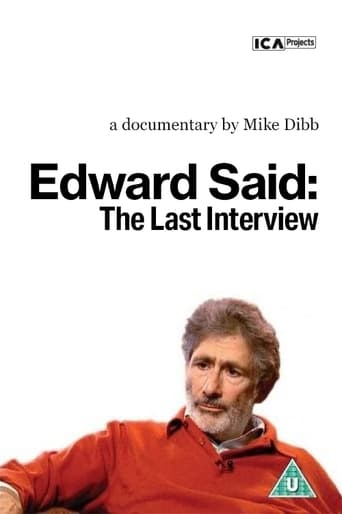
Edward Said, Professor of English & Comparative Literature at Columbia University, was a prominent literary critic of the late 20th century and a leading spokesperson for the Palestinian cause in the US. Born to a Palestinian family in Al-Quds (Jerusalem) in 1935, he and his family were dispossessed in 1948 and settled in Cairo. Educated in the US, he lived in New York for many years. Said was a member of the Palestine National Council. After resigning from the PNC in 1991, Said wrote critically about the post-Oslo peace process, the political failures of Yasser Arafat and the PLO. Said was diagnosed with leukemia in 1991 and struggled with the disease while continuing to write and teach. He stopped giving interviews but made an exception less than a year before his death in 2003, speaking about his illness, work, Palestine, politics, life, and education. The last interview is the final testament of this passionately committed intellectual.
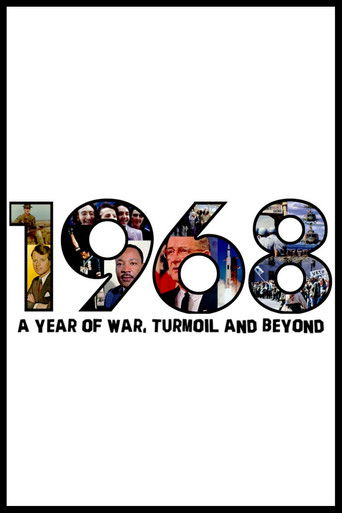
The Tet Offensive during the Vietnam War, the Civil Rights Movement, the May events in France, the assassinations of Martin Luther King and Robert F. Kennedy, the Prague Spring, the Chicago riots, the Mexico Summer Olympics, the presidential election of Richard Nixon, the Apollo 8 space mission, the hippies and the Yippies, Bullitt and the living dead. Once upon a time the year 1968.

October 7, 2023: Hamas terrorists attack Israel, murder and take hostages. Israel reacts with severity. The goal: the destruction of Hamas. But with the war in Gaza, Israel is awakening the great trauma of the Palestinians: the expulsion of 1948. How can the lack of empathy on both sides be explained?

In the West Bank, children grow up amidst a harsh and unforgiving reality. Daily life for Palestinians in Jenin Refugee Camp is shaped by the Israeli occupation, and the violence and oppression that comes with it. On the hills near Nablus, a Jewish settler family navigate the personal sacrifices and grief that come with their decision to live in an illegal settlement. They are resolute in their belief to remove Palestinians and settle the land. Children and their parents from both these areas search for their place in a world defined by violence and polarization.
A multimedia short created for the U.S. millennium celebrations, The Unfinished Journey reflects on America’s history and spirit through six chapters—immigration, war, culture, civil rights, and innovation. Commissioned by President Bill Clinton and premiered at the Lincoln Memorial on New Year’s Eve 1999, the film features an original orchestral score by John Williams titled American Journey.
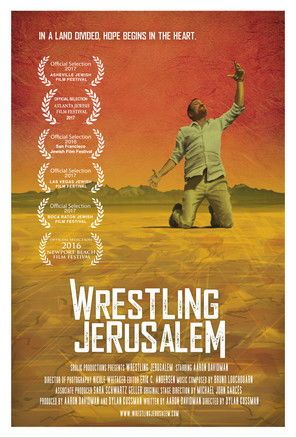
Writer-actor Aaron Davidman embodies seventeen different characters in and around the sacred city of Jerusalem as he takes us on an eye-opening journey into the heart of the Israeli-Palestinian story. Exploring universal questions of identity and human connection, the film is about one man's effort to embrace a multiplicity of conflicting viewpoints, chronicling a brave exploration of the complex humanity at the heart of one of the world's most troubling conflicts.