

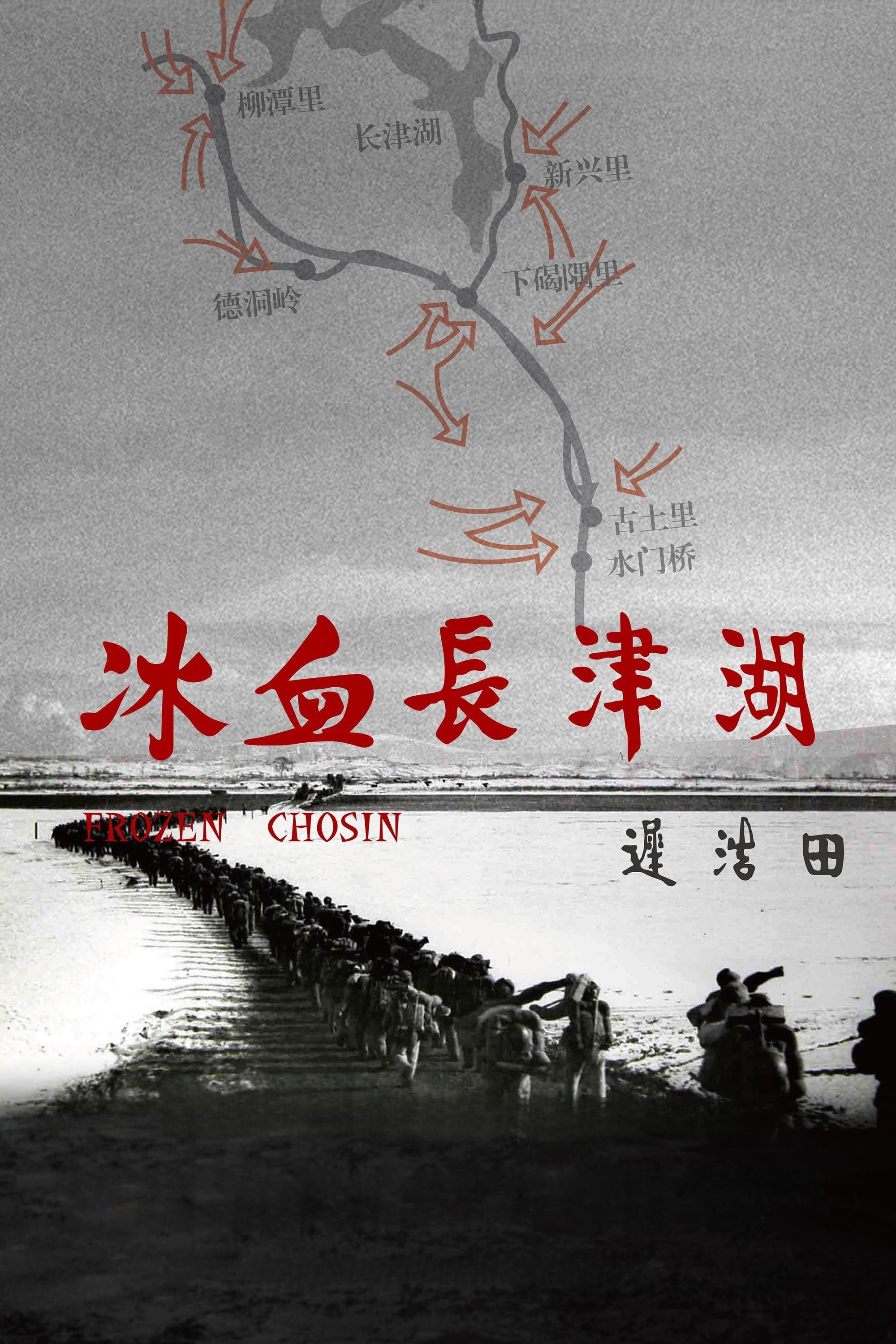
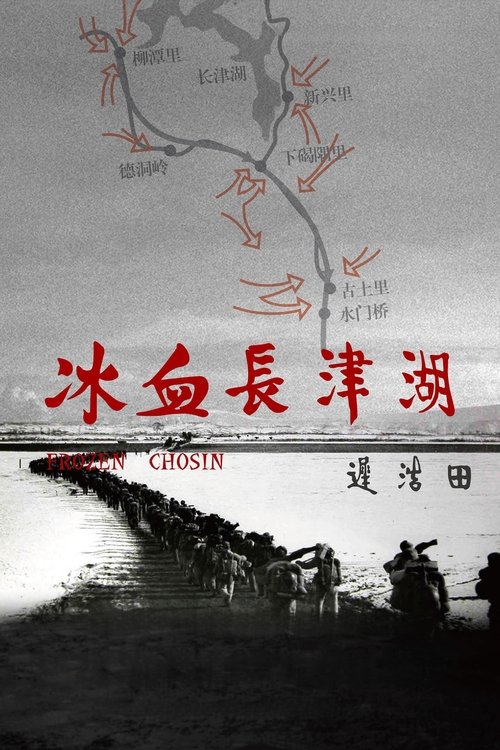
冰血长津湖
Documentary



No cast information.
Similar Movies
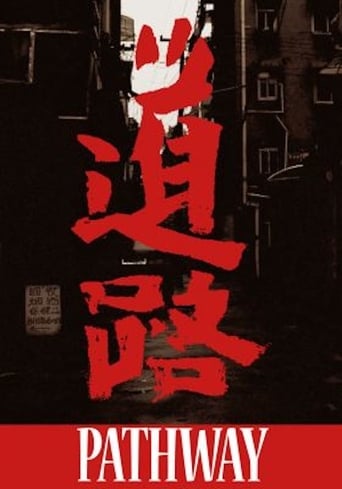
Xu Xin’s film “Dao Lu” (China 2012) offers an exclusive “in camera” encounter with Zheng Yan, an 83 year-old veteran of the Chinese Red Army, who calmly relates how he has navigated his country’s turbulent history over three-quarters of a century.Born to a wealthy family in a foreign concession, Yan joined the Chinese Communist Party (CCP) in 1941 because he sincerely believed in the socialist project, and in its immediate capacity to free China from the Japanese yoke and eradicate deep-rooted corruption.

As Russia launches its full-scale invasion of Ukraine, primary schools across Russia’s hinterlands are transformed into recruitment stages for the war. Facing the ethical dilemma of working in a system defined by propaganda and violence, a brave teacher goes undercover to film what’s really happening in his own school.
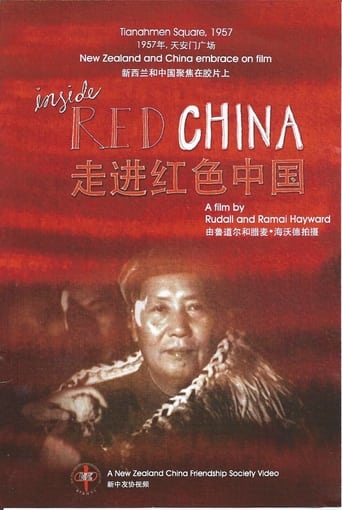
October 1st, 1957. Dusk descends on Tiananmen Square, Peking. Fireworks crackle light across the night sky, above a city alive with National Day festivities and celebrations. Two intrepid New Zealand film-makers - Rudall and Ramai Te Miha Hayward - are there, documenting the life and times of communist China. The distinction of being the first English speaking foreigners to film unfettered in communist China was significant. The invitation to visit China was facilitated through the New Zealand China Friendship Society. They filmed in Canton, Shanghai, Peking (Beijing) and Wuhan. It was a small window of opportunity for Westerners to gaze on a country that was largely a mystery to the outside world since 1949. The unfortunate irony was that two of the documentaries; “Wonders of China”, and “Inside Red China”, were considered to be communist propaganda, and were not distributed outside of New Zealand.
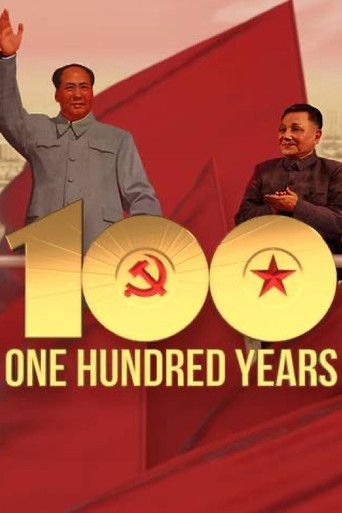
As the Communist Party of China celebrates its 100th anniversary, this documentary looks back at the party’s history, from the 1920’s, to the Civil War, the Great Leap Forward, the Great Famine, the Cultural Revolution and the reforms by Mao Zedong and Deng Xiaoping. Did the Great Famine cost more than 15 million lives? How does the Cultural Revolution continue to shape Chinese politics today? What was capitalism like after Mao’s death? Through rare and never-before-seen historical footage, expert interviews and eyewitness accounts of the Great Famine, Tiananmen incident, and the Cultural Revolution, get to know how one party has so profoundly shaped China.