

Luminous Void: Docudrama
Horror · Science Fiction · Documentary
Overview
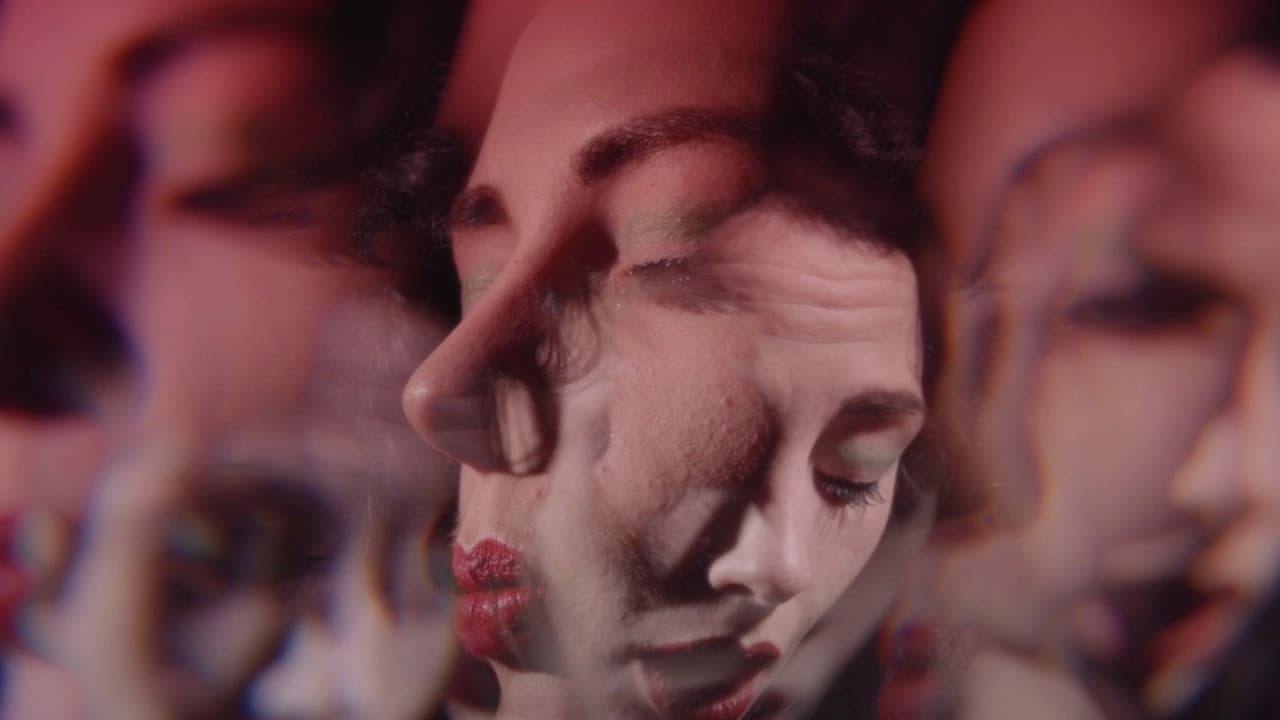
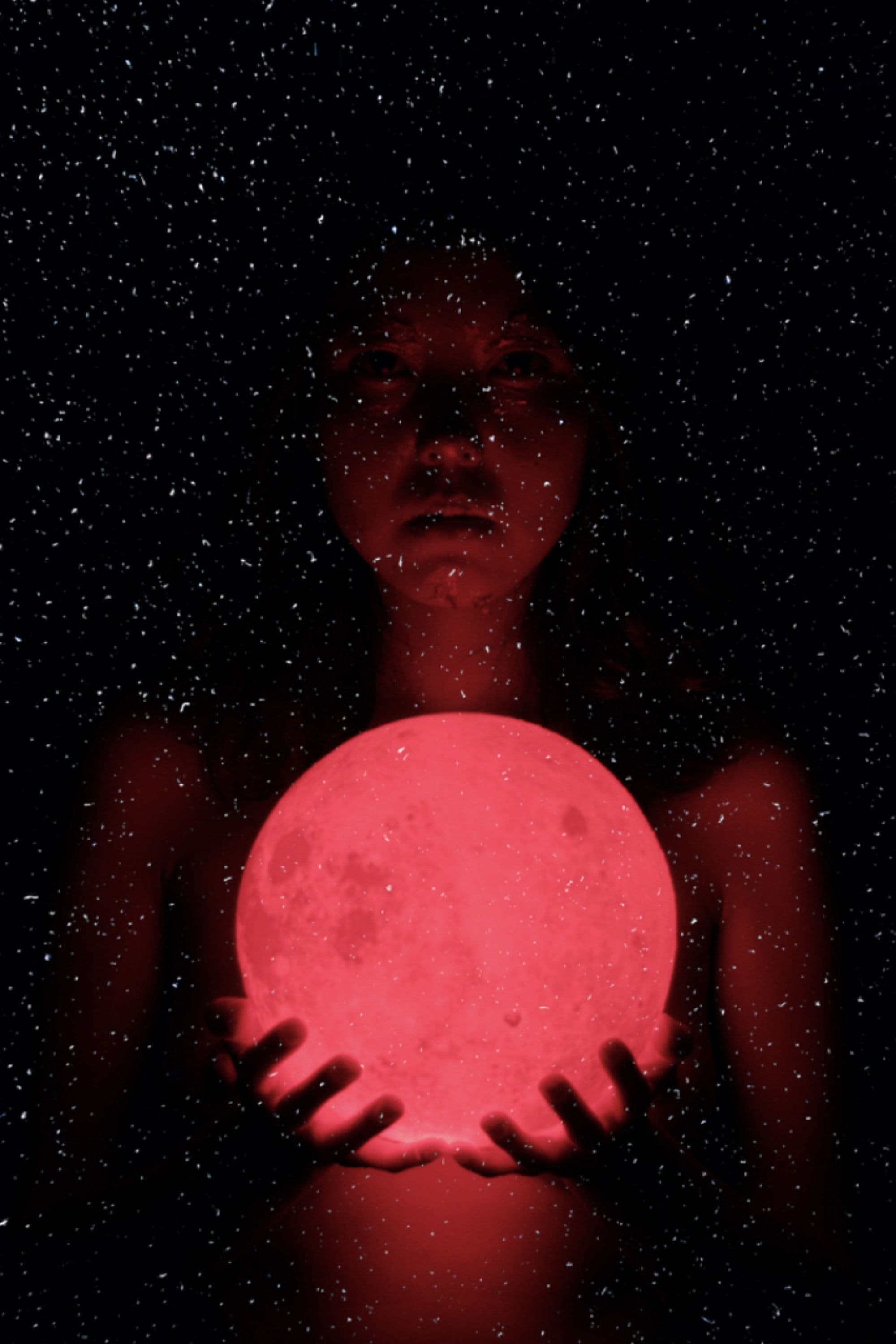
A documentary like no other. Starting with the bizarre practices and fantasies of a group of filmmakers working under the label Experimental Film Society, it spins off into a manifesto of light and sound. This dazzling journey through a view of cinema as cosmic ritual and erotic delirium is also an idiosyncratic celebration of the medium itself. Rouzbeh Rashidi’s ornate visual style unleashes a parade of visionary scenes that redefine movie magic as a fevered hallucination.







Michael Higgins
Michael Higgins
Michael Higgins
Maximilian Le Cain
Maximilian Le Cain
Maximilian Le Cain
Jann Clavadetscher
Jann Clavadetscher
Jann Clavadetscher
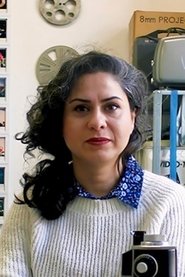
Atoosa Pour Hosseini
Atoosa Pour Hosseini
Atoosa Pour Hosseini
Vicky Langan
Vicky Langan
Vicky Langan
Cillian Roche
Cillian Roche
Cillian Roche
Caoimhe Lavelle
Caoimhe Lavelle
Caoimhe Lavelle
Floriana Mancuso
Floriana Mancuso
Floriana Mancuso
Iva Kozomara
Iva Kozomara
Iva Kozomara
Julia Gelezova
Julia Gelezova
Julia Gelezova
Similar Movies
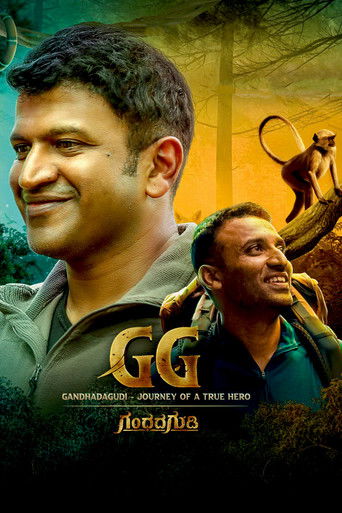
A narrative by Puneeth Rajkumar aka Appu which explores state of Karnataka - the land, its culture and traditions, it's social issues and even it's forests, all through his curious eyes. The film is almost Appu's own journey of discovery as he understands the rich flora and fauna of the state.
Czech painter and illustrator Alphonse Mucha (1860-1939) ranks among the pioneers of the Art Nouveau movement at the end of the 19th century. Virtually overnight, he becomes famous in Paris thanks to the posters that he designs to announce actress Sarah Bernhardt’s plays. But at the height of his fame, Mucha decides to leave Paris to realize his lifetime project.
According to the official history of Afghanistan, ruthless destruction has always prevailed over art and creation; but there is another tale to be told, the forgotten account of a diverse and progressive country, seen through the lens of innovative filmmakers, a story that survives thanks to a few brave Afghans, a small but very passionate group that secretly fought to save a huge film archive that was constantly menaced by war and religious fanaticism.
In his contribution to the On Art and Artists interview series, Nathaniel Dorsky (b.1943) begins by discussing his childhood love of the John Ford film Stagecoach and its influence upon his decision to make films while attending Antioch College. Describing the affinity he developed for work operating at the intersection of film materiality and personal language, Dorsky explains how he developed his philosophy of the “devotional film” and the “microcosmic viewer.” Dorsky likens his practice to Buddhist sculpture, referring to himself as a “Japanese poet continuing aspects of the ethos of the Marxist revolution.” In the interview, the artist describes his use of the screen as an “altarpiece for the image” and emphasizes his use of editing to create works which “harmoniously coalesce.” Interview conducted by Jeffrey Skoller in May 2000, edited in 2014.