

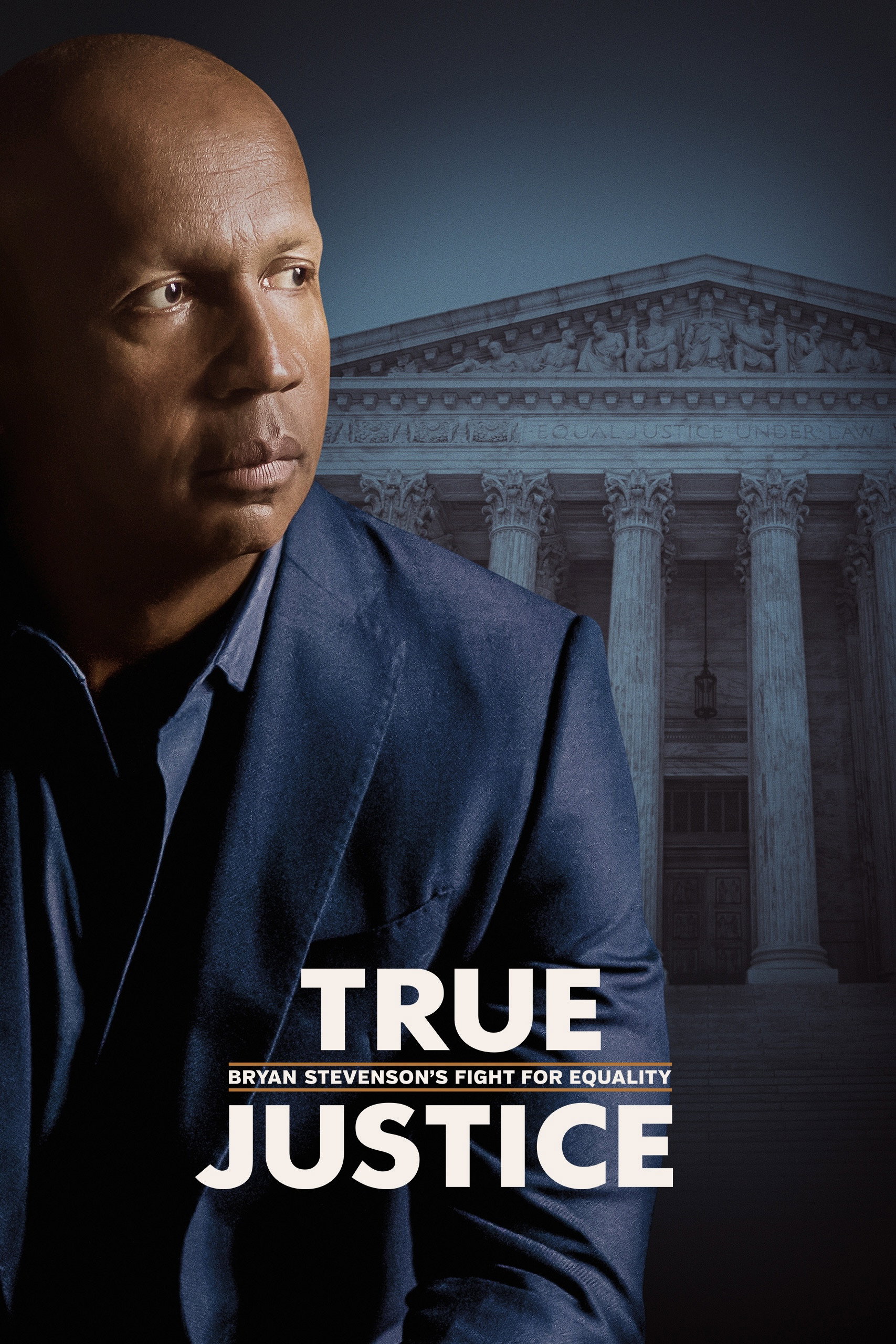
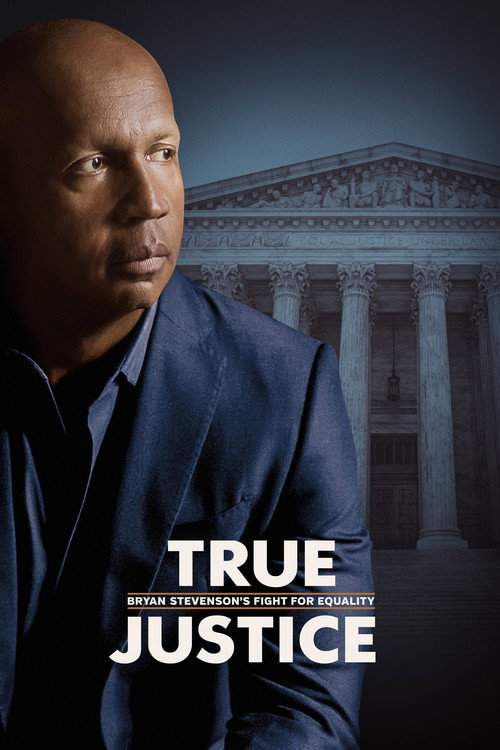
True Justice: Bryan Stevenson's Fight for Equality
Documentary
Overview
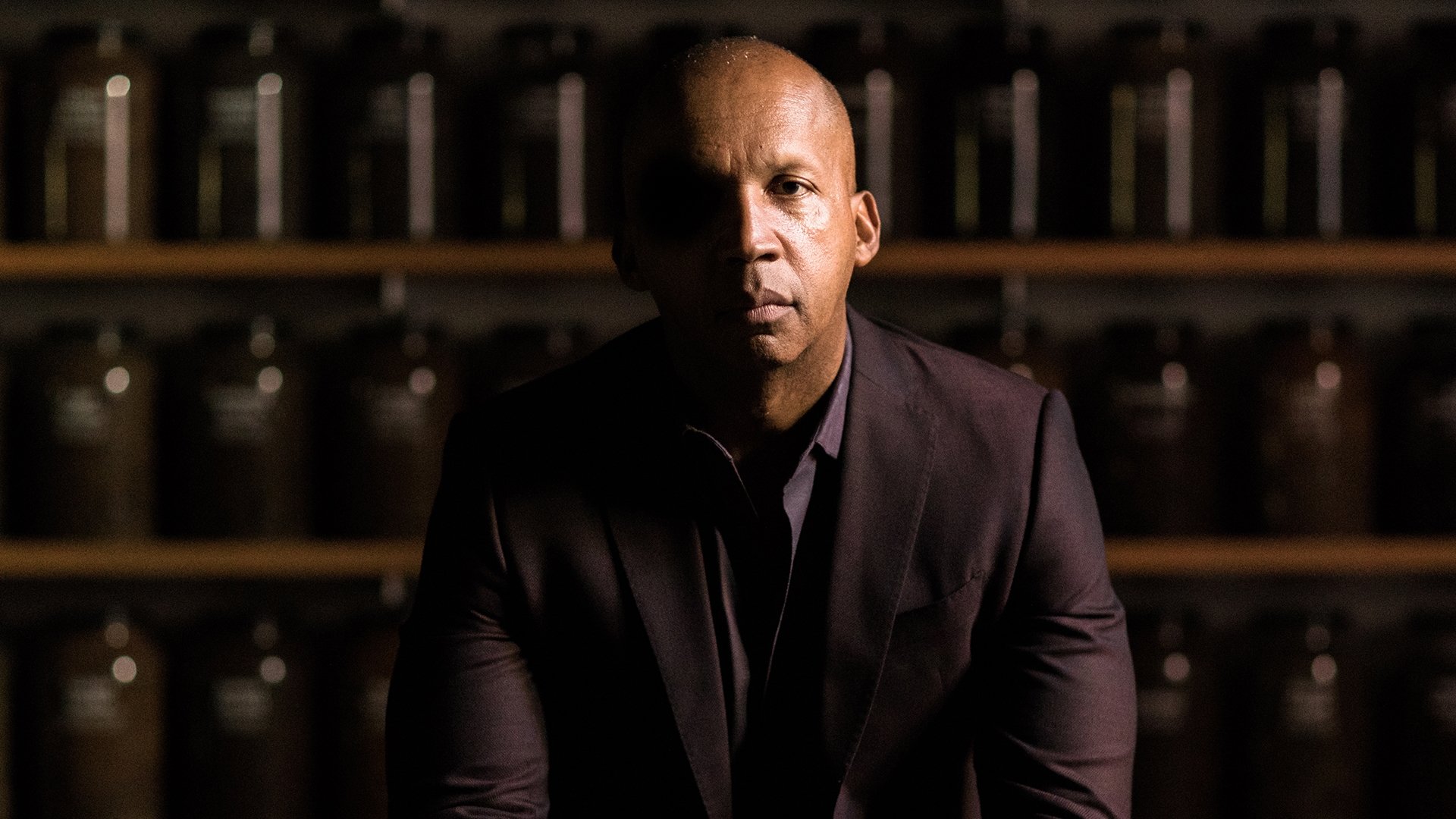
An intimate portrait of Alabama public interest attorney Bryan Stevenson, founder and executive director of the Equal Justice Initiative, who for more than three decades has advocated on behalf of the poor, the incarcerated and the condemned, seeking to eradicate racial discrimination in the criminal justice system.
Top Cast





Bryan Stevenson
Bryan Stevenson
Self
Bryan Stevenson
Self
Christy Stevenson
Christy Stevenson
Self
Christy Stevenson
Self
Howard Stevenson
Howard Stevenson
Self
Howard Stevenson
Self
Similar Movies
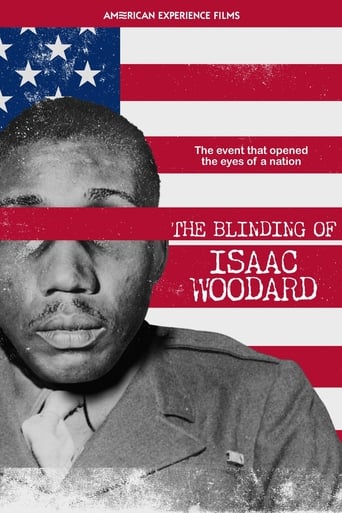
In 1946, Isaac Woodard, a Black army sergeant on his way home to South Carolina after serving in WWII, was pulled from a bus for arguing with the driver. The local chief of police savagely beat him, leaving him unconscious and permanently blind. The shocking incident made national headlines and, when the police chief was acquitted by an all-white jury, the blatant injustice would change the course of American history. Based on Richard Gergel’s book Unexampled Courage, the film details how the crime led to the racial awakening of President Harry Truman, who desegregated federal offices and the military two years later. The event also ultimately set the stage for the Supreme Court’s landmark 1954 Brown v. Board of Education decision, which finally outlawed segregation in public schools and jumpstarted the modern civil rights movement.
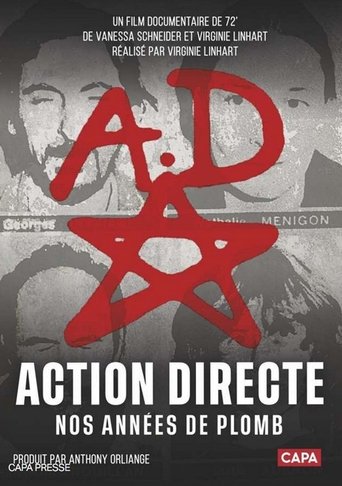
Between 1979 and 1987, a far-left group wreaked havoc across France. Robberies, bombings, assassinations. They struck hard and disappeared in a cloud of explosives, leaflets scattered in the wind, and relentless ideological demands. Their name? Action Directe. More than 80 attacks, 26 wounded, and 12 dead in less than ten years. Stunned French citizens discovered posters plastered everywhere showing portraits of these young women and men who looked like everyone else and whom nothing seemed to be able to stop. A long and intense manhunt began, culminating in the arrest of the group's leadership.
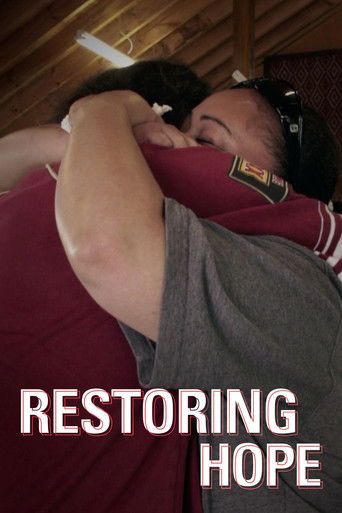
This often confronting documentary observes a Māori restorative justice model through the eyes of straight-talking Mike Hinton, manager of Restorative Justice at Manukau Urban Māori Authority. The bringing together of victims (including wider whānau) and offenders may offer an alternate way forward for "a criminal justice system failing too many and costing too much”. Restoring Hope kicked off Māori Television’s 2013 season of Sunday night documentaries. In a Herald On Sunday preview, Sarah Lang argued it was “enough to restore hope in local documentary-making.” I’m in an arena where people have high emotions, they get stressed and pressured. I’m reasonably confident that I can avoid situations where I’ll be unsafe. I don’t have any death wish — I’ve got a game of golf tomorrow. – Mike Hinton, on the dangers of the job
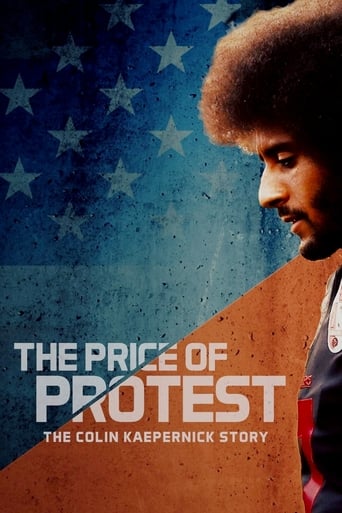
United States, September 1st, 2016. American football player Colin Kaepernick kneels during the national anthem, protesting police brutality against black people. Part of the population regards the gesture as an unacceptable affront to the flag. Later, he loses his place on his team. Today, however, he is considered by many as a true hero.
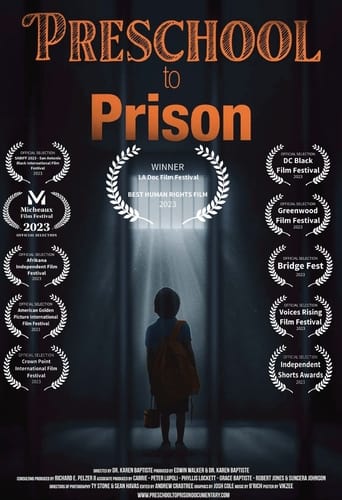
Preschool to Prison is a compelling examination of how the United States public school system is built and operated like prisons. Zero-tolerance policies are used to justify suspension and arrests that set up a pathway to send children of color and children with special needs from school to prison. Children are being suspended, restrained, dragged, physically manhandled, and subsequently arrested for minor offenses such as throwing candy on a school bus. These personal accounts from people affected by the school-to-prison pipeline give riveting tales about the generational impact on society.
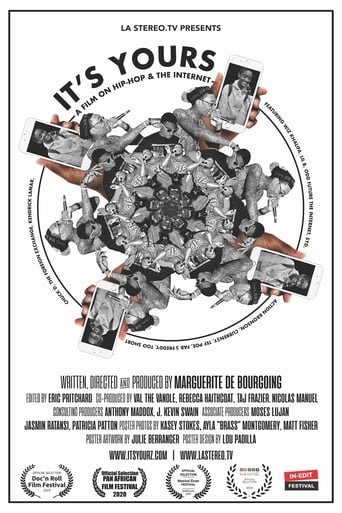
By the dawn of the 21st century, hip-hop sales had reached an all-time high, but one thing has remained the same. The doors were still locked, and the music industry held the keys. Young artists began to self-market on the Internet, ultimately helping to collapse the music industry as we knew it. It’s Yours explores how it became possible to become a rap star through a Twitter account, YouTube site or Myspace page. It tells this story through the unique perspectives of numerous artists, producers, record industry insiders, and music and cultural critics.
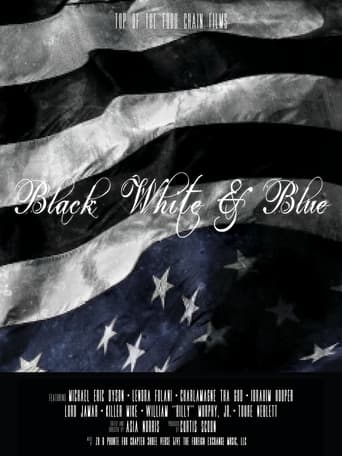
Black White & Blue covers race issues in America, police brutality, the Black Lives Matter movement, the Flint Water Crisis, and the 2016 election of President Donald Trump. The film features one-on-one interviews with notable African-Americans: Michigan Senator Coleman Young II, Baltimore attorney William "Billy" Murphy Jr., rapper Killer Mike, former NYPD Officer Michael Dowd and others.
When Covid-19 hit New York City in 2020, filmmaker Matthew Heineman gained unique access to one of New York’s hardest-hit hospital systems. The resulting film focuses on the doctors, nurses, and patients on the frontlines during the “first wave” from March to June 2020. Their distinct storylines each serve as a microcosm to understand how the city persevered through the worst pandemic in a century
Each year, every French citizen has a one in 1,300 chance of receiving a summons to jury service from the Ministry of Justice. Ten former jurors recall being selected, hearing evidence, deliberating, and reaching a verdict: an examination of our society’s civil duty to pass judgement on the most serious cases.