

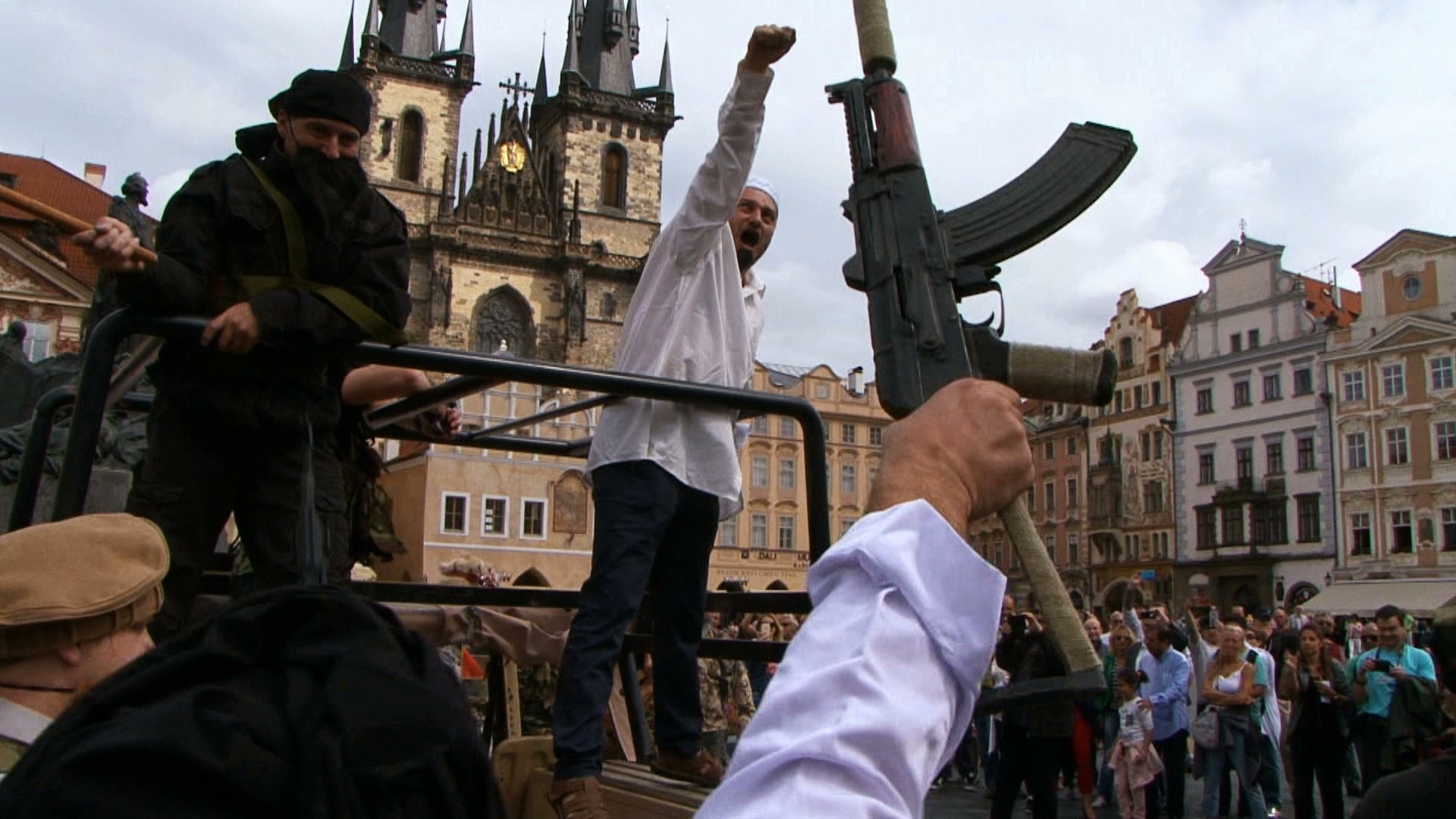
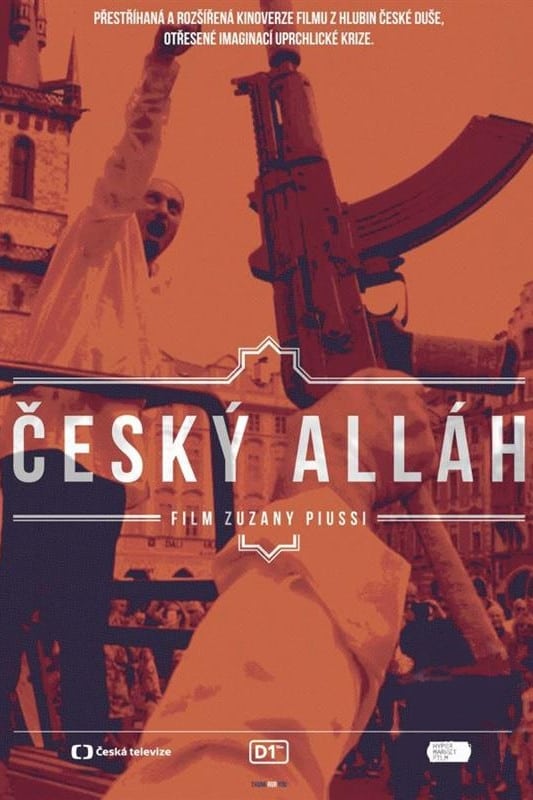
Český Alláh
Documentary
No cast information.
Similar Movies
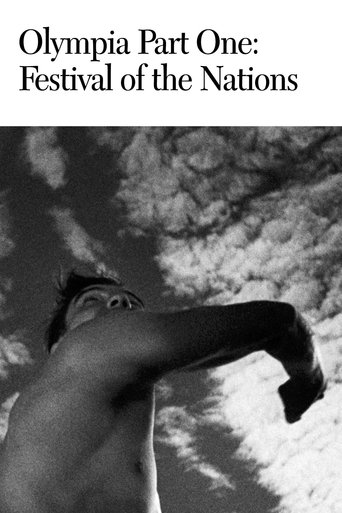
Starting with a long and lyrical overture, evoking the origins of the Olympic Games in ancient Greece, Riefenstahl covers twenty-one athletic events in the first half of this two-part love letter to the human body and spirit, culminating with the marathon, where Jesse Owens became the first track and field athlete to win four gold medals in a single Olympics.
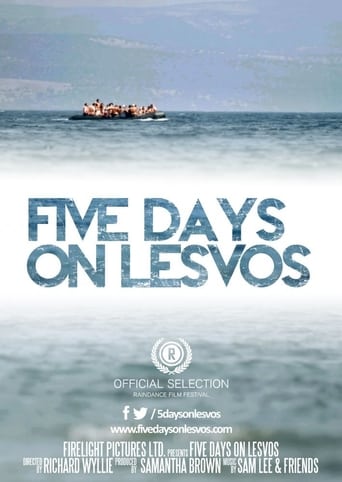
As politicians debate and argue, the men, women and children at the heart of the European immigration wave have found themselves caught in the midst of a humanitarian crisis. On the frontline is the Greek island of Lesvos – the first point of entry into Europe for over half of the refugees. One week at the end of August 2015 marked a tipping point in the crisis. More refugees arrived than ever before, volunteers were inundated and local infrastructure just couldn’t cope; trains were overflowing, refugees were dying in the back of lorries and on beaches, and politicians responded by closing borders and arguing about how to stem the tide of people. Filmed over just five days, this first-hand account of that dramatic week on Lesvos is seen through the eyes of the refugees and volunteers caught in the crisis.
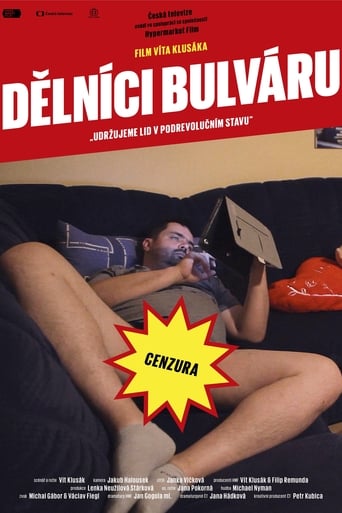
This documentary study of the mechanisms that turn the gears of the tabloids is conducted by the unique figure Pavel Novotný. This editor-in-chief of one of the most widely read Czech media outlets of the time, providing news from the world of show business and human misfortune, gets straight to the point. Readership is a fetish, an absolute alibi for all invasions of privacy and every transgression of good ethics. Seen up close, the whole cluster of disreputable reports looks like a staged tableau. Before the eager eyes of an anxious public, celebrities willingly or unwillingly perform acts that the scrutiny of the all-powerful tabloid workers attributes racy significance to.
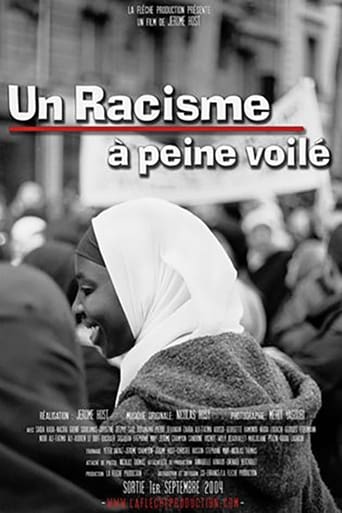
October 2003, Alma and Lila Levy are excluded from the Lycée Henri Wallon in Aubervilliers solely because they were wearing a headscarf. What follows is a deafening political and media debate, justifying in most cases the exclusion of girls wearing head-scarves to school. February 2004, a law was eventually passed by the National Assembly. "A thinly veiled racism" is about this controversy since the affair of Creil in 1989 (where two schoolgirls were excluded for the same reasons) and attempts to "reveal" that maybe what hides behind is the desire to exclude these girls. This film gives them a voice as well as others - teachers, community activists, feminists, researchers - gathered around the group "A School for You-All" fighting for the repeal of this law they consider sexist and racist ... This movie was censured in Septembre 2004 in France.
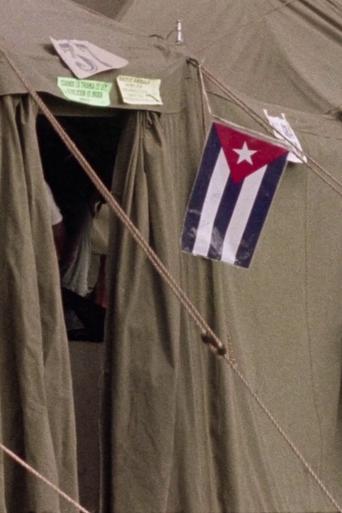
The story of a group of Cubans who arrived in Miami during the Mariel Boatlift and were housed in an improvised camp in the heart of the city. Everyone lived together —men and women, homosexuals and heterosexuals, separated only by cloth curtains that hung from ropes suspended between the beds, like floating walls.
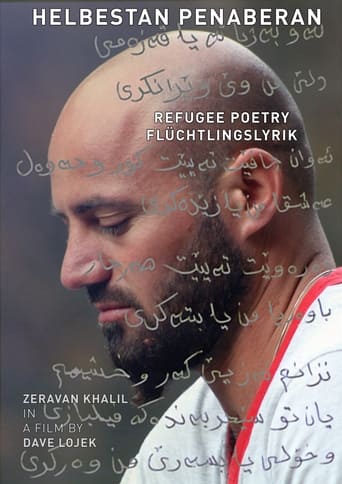
The Kurdish Iraqi poet and actor Zeravan Khalil travels with his dog through an Alpine gorge after fleeing from IS war and genocide. As he remembers the abomination, he writes a poem with the title “You drive me mad” in Kurmanji Kurdish. In his home country, Yazidic Kurds are forbidden to work in his profession. Then he eats his apple and wanders through Europe’s middle with more hope.
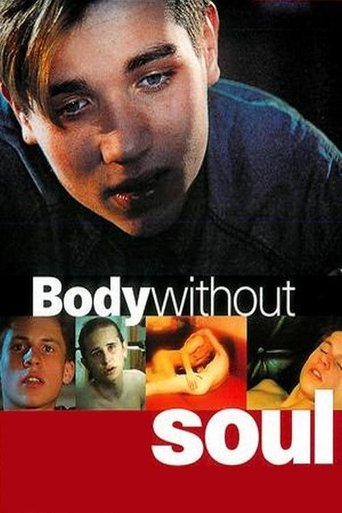
A stark documentary about young male prostitutes in Prague, aged 15 to 18, who work the streets, train stations, and clubs. Through candid interviews and behind-the-scenes footage of gay porn shoots, the film explores their lives, struggles, and dreams, touching on themes of exploitation, identity, AIDS, and survival.