



Você tem medo do Bolsonaro?
Documentary
Overview
Prior to the Brazilian 2018 presidential elections, a film crew went down on the streets of Rio de Janeiro in order to listen to people's opinion on candidate Jair Bolsonaro.
















No cast information.
Similar Movies
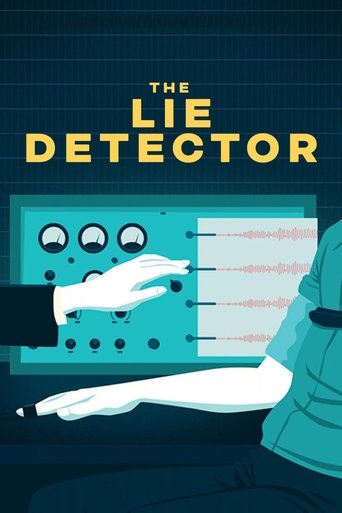
In the first decades of the 20th century, when life was being transformed by scientific innovations, researchers made a thrilling new claim: they could tell whether someone was lying by using a machine. Popularly known as the “lie detector,” the device transformed police work, seized headlines and was extolled in movies, TV and comics as an infallible crime-fighting tool. Husbands and wives tested each other’s fidelity. Corporations routinely tested employees’ honesty and government workers were tested for loyalty and “morals.” But the promise of the polygraph turned dark, and the lie detector too often became an apparatus of fear and intimidation. Written and directed by Rob Rapley and executive produced by Cameo George, The Lie Detector is a tale of good intentions, twisted morals and unintended consequences.
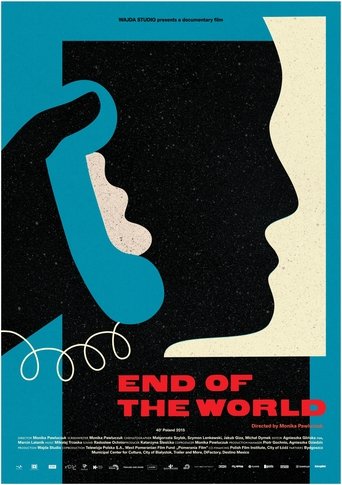
The Mayan doomsday prophecy looms over a dark night in Poland. A late-night radio host takes in calls from citizens expressing their concerns, predictions and speculations on what may happen when—or even if—the sun comes up. Simultaneously, a crisis centre dispatcher fields panicked calls from people experiencing real-life traumatic situations in need of immediate attention. The voices of these callers are interwoven with an intimate therapy session and a wandering taxicab to build a profile of a place where citizens want to be heard. Never showing the callers on the other end of the line, the film creates an aural overview of a darkened city. As the night progresses, the calls continue coming in, revealing the various struggles people are experiencing in dealing with conceptual fears and current woes—all in a world that soon may be over.

In 2009 the Norwegian government introduced several measures to restrict immigration. One of the measures was to provide unaccompanied asylum seeking children temporary residence permits. They should be returned to their country of origin when they turn 18. In Norway child welfare custody of their children without close caregivers. This does not apply to unaccompanied asylum-seeking children between 15 and 18 years.