

Life Overtakes Me
Documentary
Overview
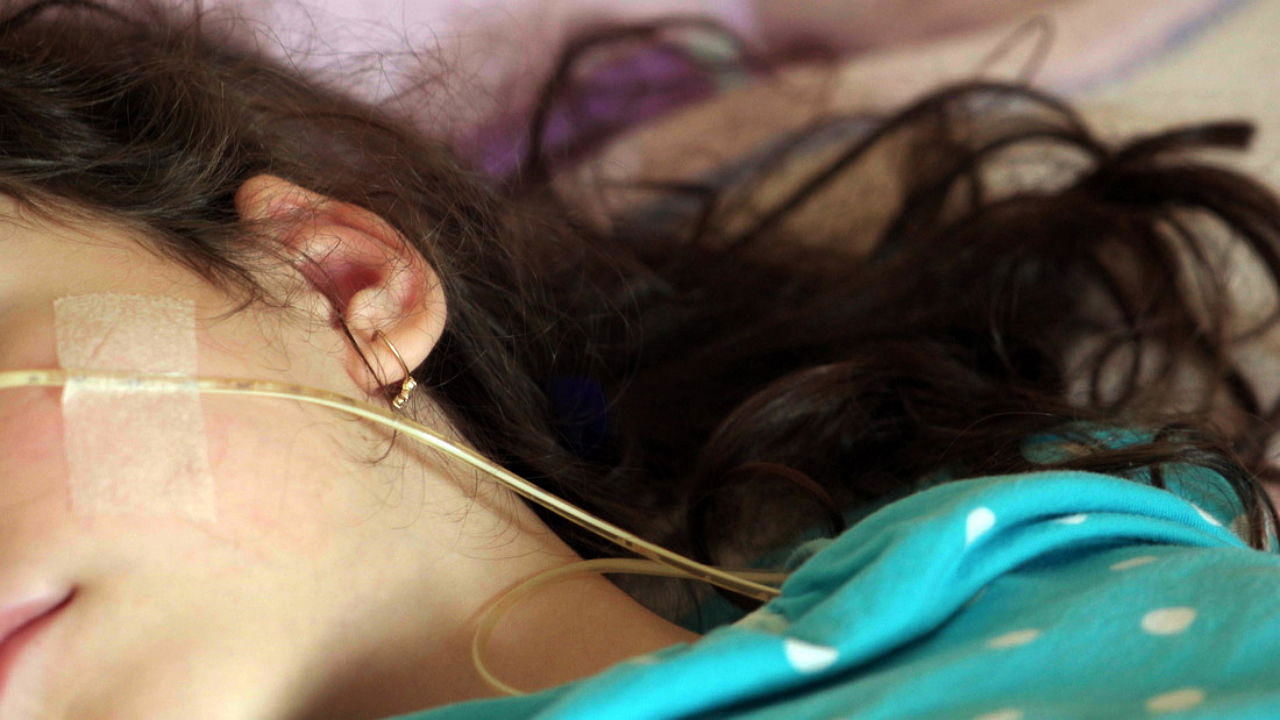
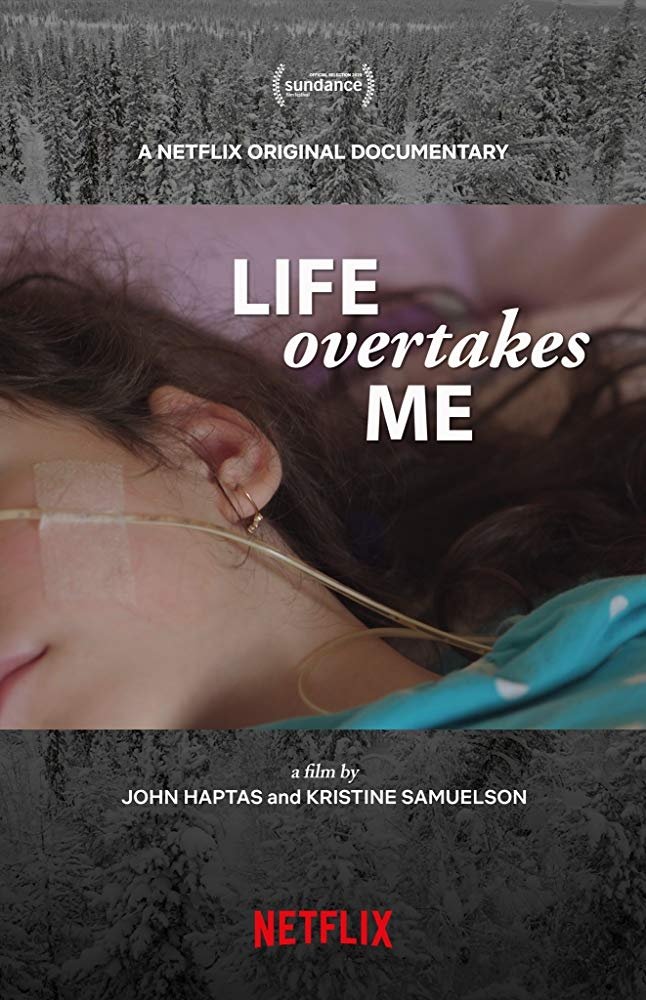
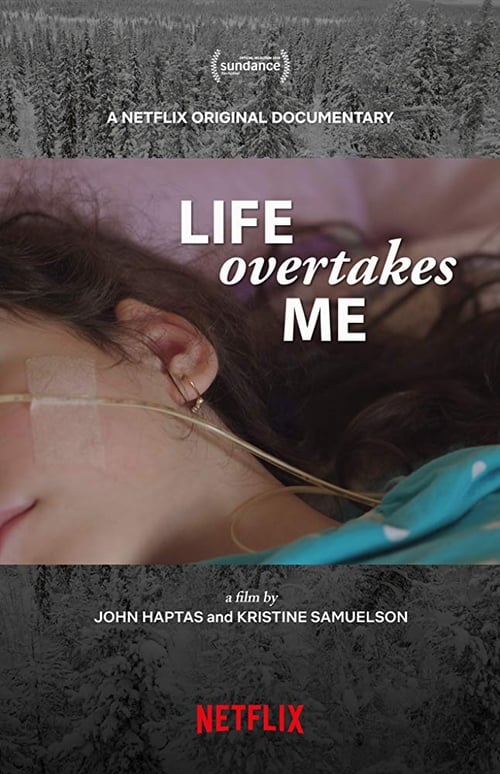
Hundreds of refugee children in Sweden, who have fled with their families from extreme trauma, have become afflicted with 'uppgivenhetssyndrom,' or Resignation Syndrome. Facing deportation, they withdraw from the world into a coma-like state, as if frozen, for months, or even years.
Top Cast
Henry Ascher
Himself - Pediatrician and Professor, University of Gothenburg (as Henry Ascher MD)
Nadja Hatem
Herself - Immigration Attorney
Mikael Billing
Himself - Psychologist and Psychotherapist, BUP Asylum Psychiatric Unit
Karl Sallin
Himself - Centre for Research Ethics and Bioethics, Uppsala University (as Karl Sallin MD)
Elizabeth Hultcrantz
Herself - Professor Emerita, Linköping University (as Elizabeth Hultcrantz MD PhD)
Gellert Tamas
Himself - Author and Journalist
Anne-Liis von Knorring
Herself - Child Psychologist, Professor Emerita, Uppsala University (as Anne-Liis von Knorring MD)





Henry Ascher
Henry Ascher
Himself - Pediatrician and Professor, University of Gothenburg (as Henry Ascher MD)
Henry Ascher
Himself - Pediatrician and Professor, University of Gothenburg (as Henry Ascher MD)
Nadja Hatem
Nadja Hatem
Herself - Immigration Attorney
Nadja Hatem
Herself - Immigration Attorney
Mikael Billing
Mikael Billing
Himself - Psychologist and Psychotherapist, BUP Asylum Psychiatric Unit
Mikael Billing
Himself - Psychologist and Psychotherapist, BUP Asylum Psychiatric Unit
Karl Sallin
Karl Sallin
Himself - Centre for Research Ethics and Bioethics, Uppsala University (as Karl Sallin MD)
Karl Sallin
Himself - Centre for Research Ethics and Bioethics, Uppsala University (as Karl Sallin MD)
Elizabeth Hultcrantz
Elizabeth Hultcrantz
Herself - Professor Emerita, Linköping University (as Elizabeth Hultcrantz MD PhD)
Elizabeth Hultcrantz
Herself - Professor Emerita, Linköping University (as Elizabeth Hultcrantz MD PhD)
Gellert Tamas
Gellert Tamas
Himself - Author and Journalist
Gellert Tamas
Himself - Author and Journalist
Anne-Liis von Knorring
Anne-Liis von Knorring
Herself - Child Psychologist, Professor Emerita, Uppsala University (as Anne-Liis von Knorring MD)
Anne-Liis von Knorring
Herself - Child Psychologist, Professor Emerita, Uppsala University (as Anne-Liis von Knorring MD)
Similar Movies

OBAIDA, a short film by Matthew Cassel, explores a Palestinian child’s experience of Israeli military arrest. Each year, some 700 Palestinian children undergo military detention in a system where ill-treatment is widespread and institutionalized. For these young detainees, few rights are guaranteed, even on paper. After release, the experience of detention continues to shape and mark former child prisoners’ path forward.
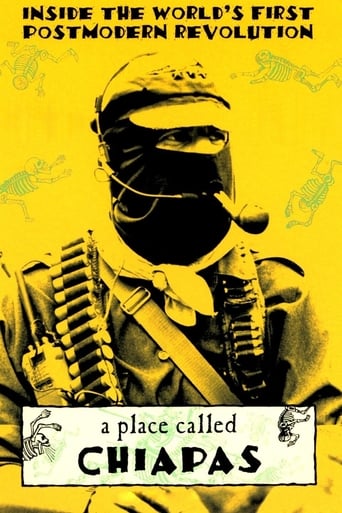
In 1994, the Zapatista National Liberation Army, made up of impoverished Mayan Indians from the state of Chiapas, took over five towns and 500 ranches in southern Mexico. The government deployed its troops and at least 145 people died in the ensuing battle. Filmmaker Nettie Wild travelled to the country's jungle canyons to film the elusive and fragile life of this uprising.
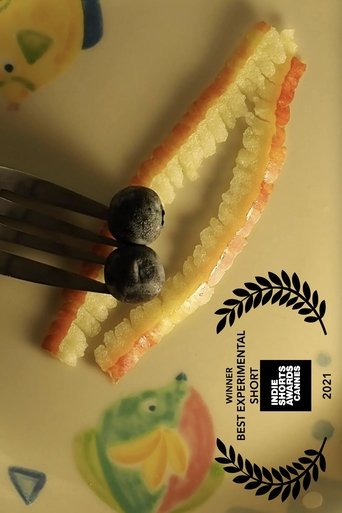
An eighteen-step scavenger hunt for people loneliest in their own homes. This animated video collage serves as a survival guide and an ode to the imaginations that protect us. Statement from Daniel Lobb, the Director: Our performance is first and foremost a resource for people who are isolated in unsupportive homes. It presents self-preservation strategies to those who rely on media and imagination to withstand in potentially abusive environments. The composition is based on the writer, Lexie Bean, growing up as queer, trans, and a survivor of incest in Michigan and Ohio, which we’ve all processed through our respective art forms. These iterations of inspiration and reformation ultimately led us to a video collage and sound-score that seek to buoy the main text: an ode to imagination, a scavenger hunt, a survival guide. Our hope is to bolster the viewer’s capacity for imaginative resilience.
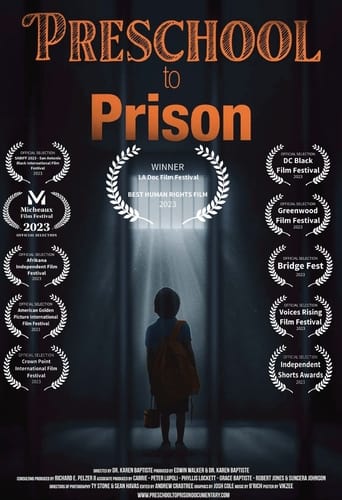
Preschool to Prison is a compelling examination of how the United States public school system is built and operated like prisons. Zero-tolerance policies are used to justify suspension and arrests that set up a pathway to send children of color and children with special needs from school to prison. Children are being suspended, restrained, dragged, physically manhandled, and subsequently arrested for minor offenses such as throwing candy on a school bus. These personal accounts from people affected by the school-to-prison pipeline give riveting tales about the generational impact on society.
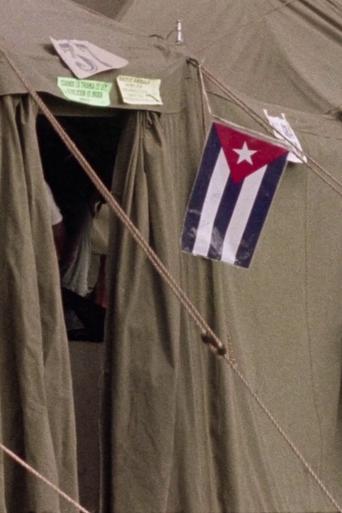
The story of a group of Cubans who arrived in Miami during the Mariel Boatlift and were housed in an improvised camp in the heart of the city. Everyone lived together —men and women, homosexuals and heterosexuals, separated only by cloth curtains that hung from ropes suspended between the beds, like floating walls.
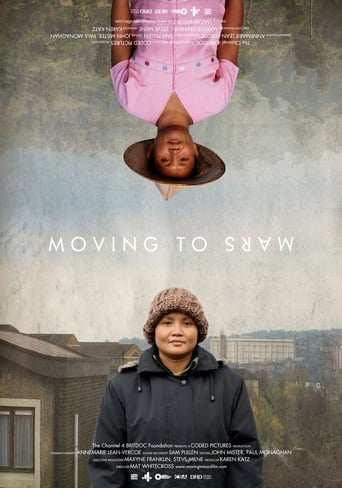
Moving to Mars charts the epic journey made by two Burmese families from a vast refugee camp on the Thai/Burma border to their new homes in the UK. At times hilarious, at times emotional, their travels provide a fascinating and unique insight not only into the effects of migration, but also into one of the most important current political crises - Burma.
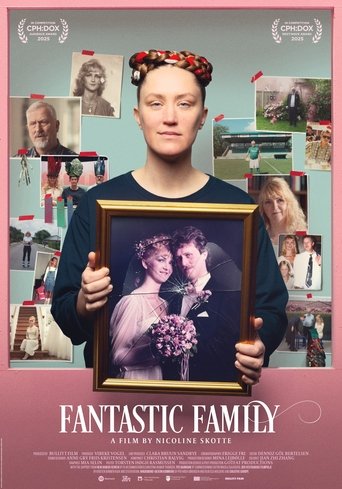
Twenty-six years after her parents' dramatic break-up, film director Nicoline Skotte takes on the task of revisiting her childhood trauma by inviting her parents to participate in an investigation of shared family dynamics. Memories of their common past seem to be selectively edited by each individual. What led to this dramatic outcome and how did two such incompatible people ever end up together? Nicoline dives into the messy family relations, seeking to uncover what has never been said.