

Tscharniblues II
Documentary
Overview
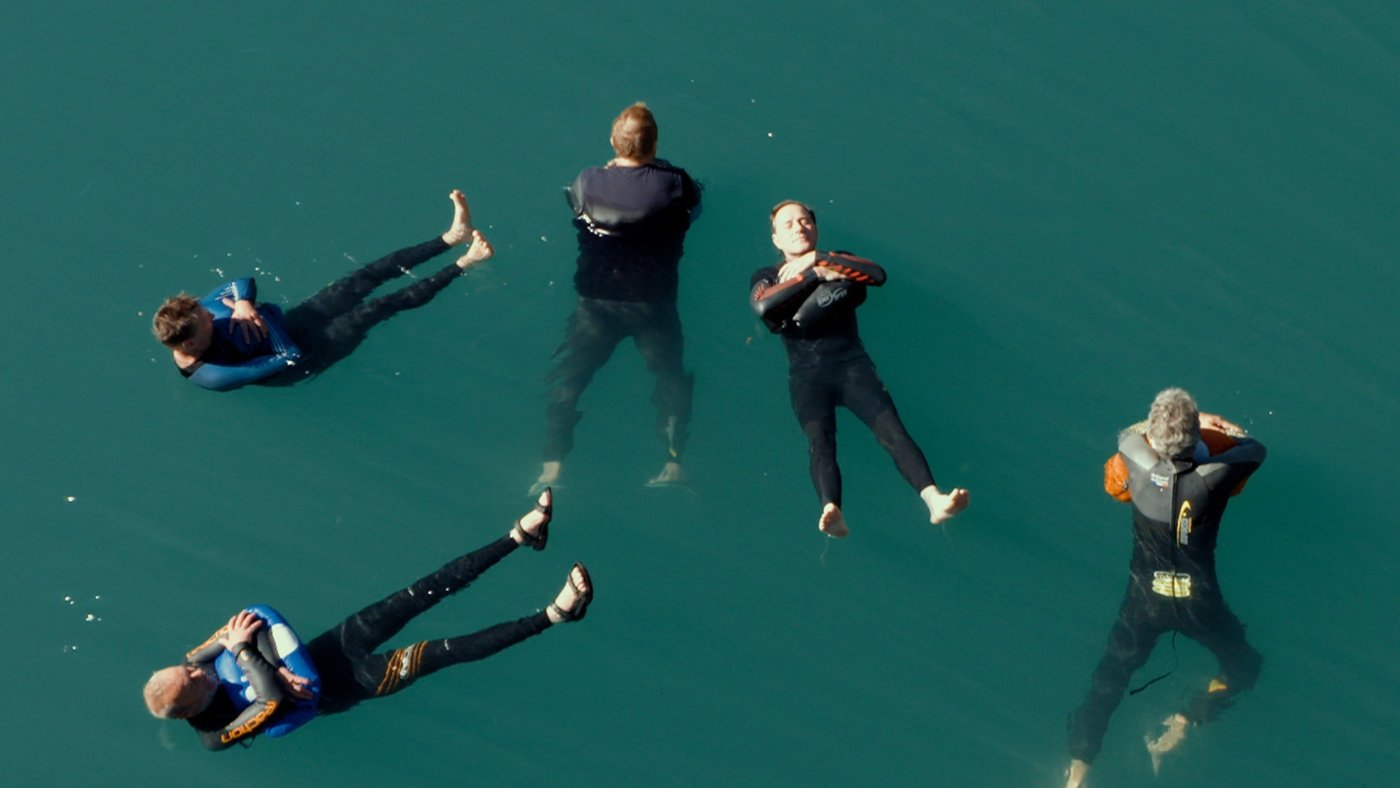
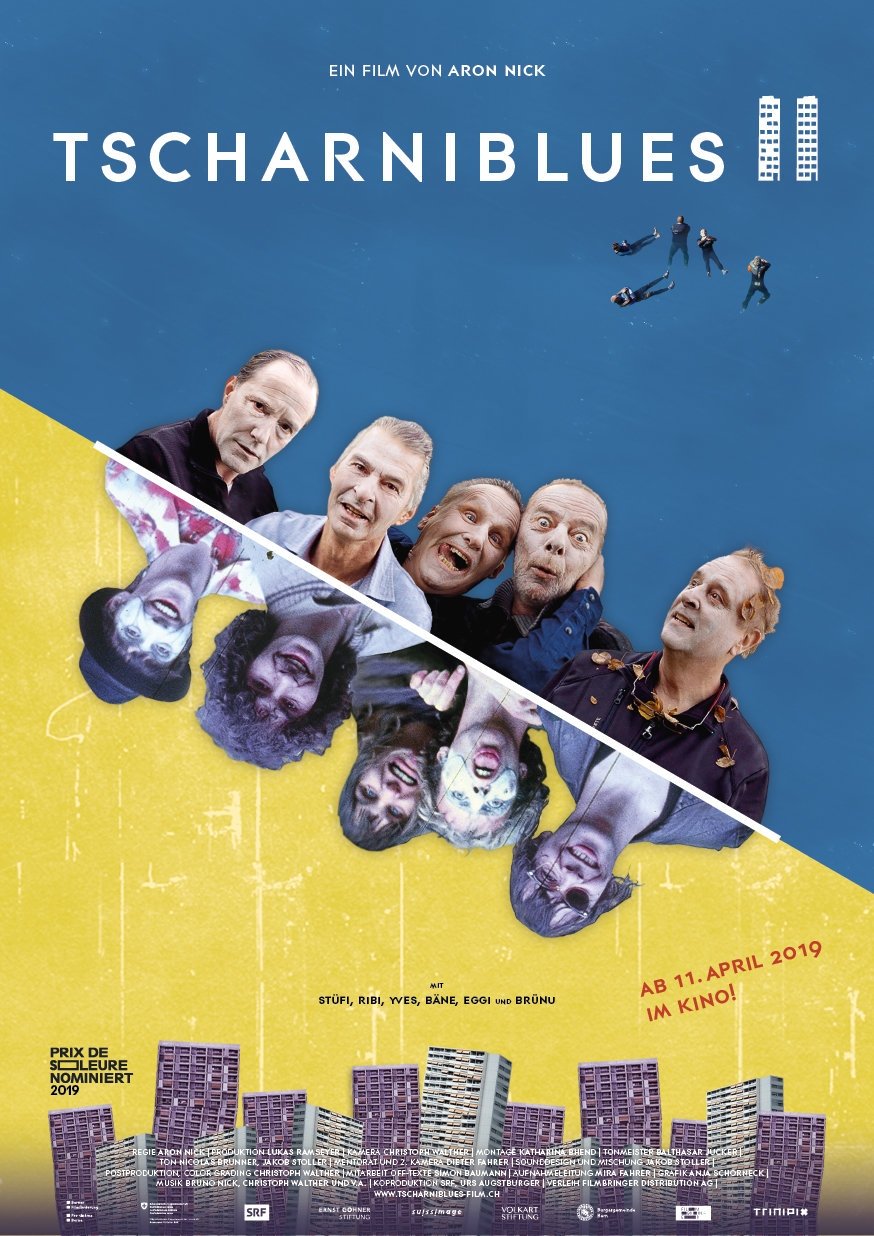
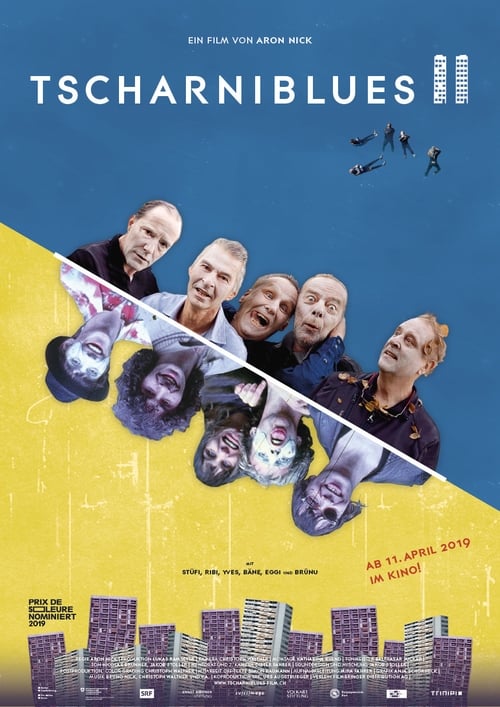
Bern, 1979: a tower block called Tscharnergut. Together with a few friends (among them famous Swiss actor Stefan Kurt), director Aron Nick's father and uncle shoot the idealistic Super 8 film "Dr Tscharniblues" ("The Tscharni Blues") – a wild, unvarnished self-portrait of their generation. 40 years later, Nick gathers the friends at Tscharnergut and asks what has happened to them and their ideals in the meantime. What have the achieved? What have they lost? Past, present, and future clash and form a journey of personal disappointments, hopes, and a collective search for identity. In "Tscharniblues II," Aron Nick discovers a kind of friendship that can weather anything.








Bernhard Nick
Bernhard Nick
Himself
Bernhard Nick
Himself
Christoph Eggimann
Christoph Eggimann
Himself
Christoph Eggimann
Himself

Stefan Kurt
Stefan Kurt
Himself
Stefan Kurt
Himself
Stephan Ribi
Stephan Ribi
Himself
Stephan Ribi
Himself
Yves Progin
Yves Progin
Himself
Yves Progin
Himself
Aron Nick
Aron Nick
Himself
Aron Nick
Himself
Similar Movies
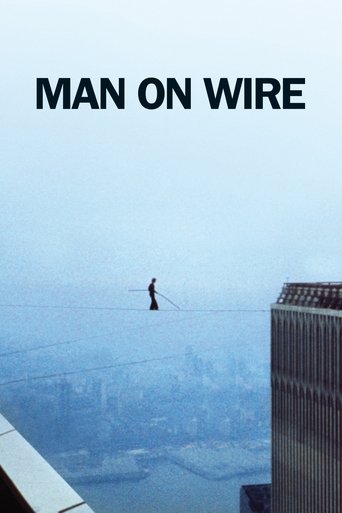
On August 7th 1974, French tightrope walker Philippe Petit stepped out on a high wire, illegally rigged between New York's World Trade Center twin towers, then the world's tallest buildings. After nearly an hour of performing on the wire, 1,350 feet above the sidewalks of Manhattan, he was arrested. This fun and spellbinding documentary chronicles Philippe Petit's "highest" achievement.
Trance dances and out of body projection. In front of the camera, Parvaneh Navaï becomes a mediator who enters in contact with and immerses into the energies of Nature, while her own energy radiates and echos in the forest ("selva"). The camera amplifies and expands her presence, transforming the forest into an imaginary space. The camera becomes a painter's brush.
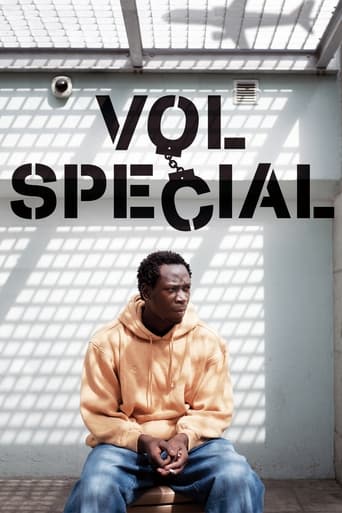
Switzerland still carries out special flights, where passengers, dressed in diapers and helmets, are chained to their seats for 40 hours at worst. They are accompanied by police officers and immigration officials. The passengers are flown to their native countries, where they haven't set foot in in up to twenty years, and where their lives might be in danger. Children, wives and work are left behind in Switzerland. Near Geneva, in Frambois prison, live 25 illegal immigrants waiting for deportation. They are offered an opportunity to say goodbye to their families and return to their native countries on a regular flight, escorted by plain-clothes police officers. If they refuse this offer, the special flight is arranged fast and unexpectedly. The stories behind the locked cells are truly heartbreaking.
In 1972, a seemingly typical shoestring budget pornographic film was made in a Florida hotel: "Deep Throat," starring Linda Lovelace. This film would surpass the wildest expectation of everyone involved to become one of the most successful independent films of all time. It caught the public imagination which met the spirit of the times, even as the self-appointed guardians of public morality struggled to suppress it, and created, for a brief moment, a possible future where sexuality in film had a bold artistic potential. This film covers the story of the making of this controversial film, its stunning success, its hysterical opposition along with its dark side of mob influence and allegations of the on set mistreatment of the film's star.
Told through performances, TV interviews, home movies, family photographs, private letters and unpublished memoirs, the film reveals the essence of an extraordinary woman who rose from humble beginnings in New York City to become a glamorous international superstar and one of the greatest artists of all time.