

New Wave Lovers
Comedy · Music
Overview
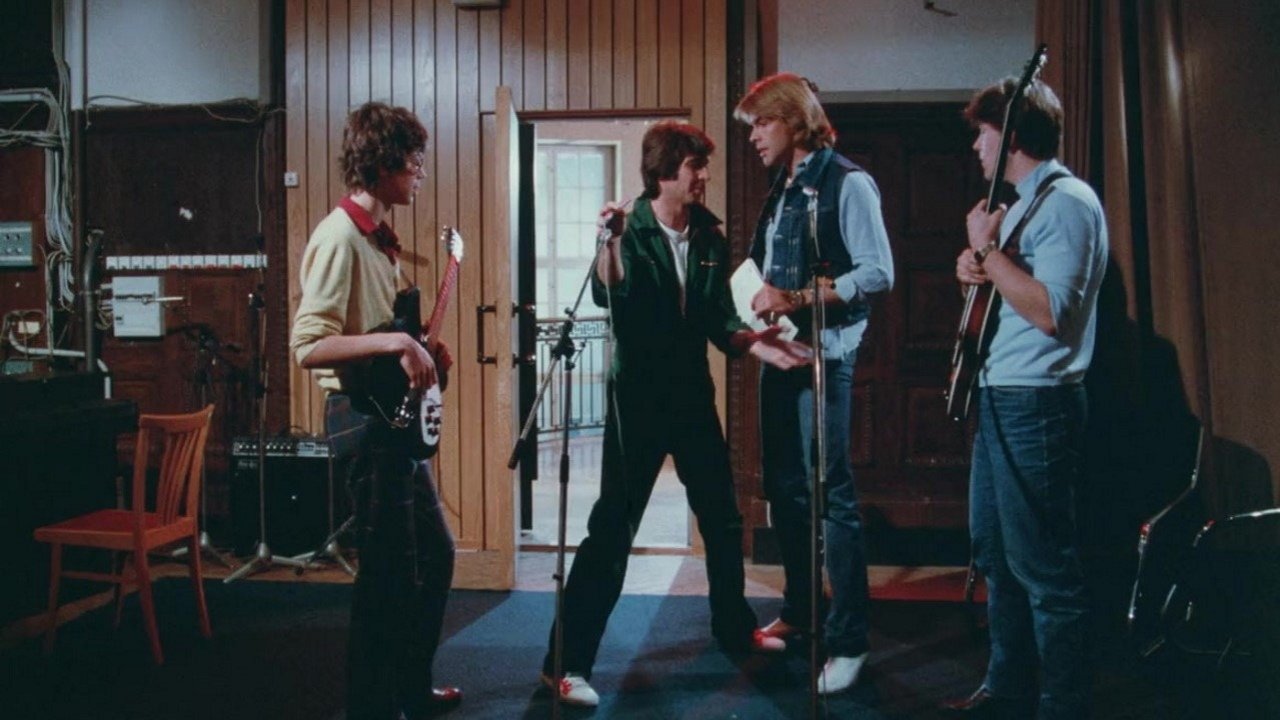
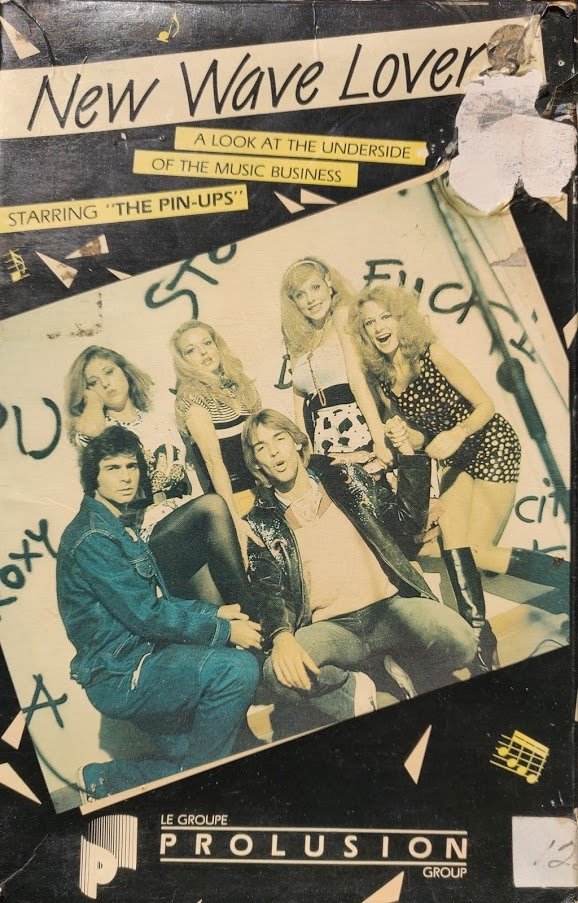
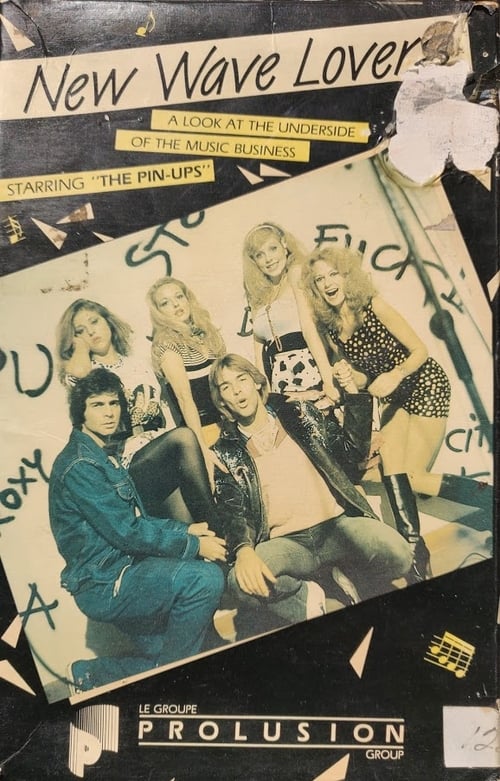
Freddy wants to be a star. He writes and performs his own songs, but has no record contract yet. He has an idea to form a group of back-up vocalists and recruits four beautiful girls who also happen to be his former lovers. They name themselves "THE FOUR PIN-UPS." But even this doesn't work because Freddy wants the spotlight for himself. However, by chance, the girls find themselves onstage without Freddy; they start singing and capture the audience and sign a contract with a big producer. They seem to be on the road to success with their own sound and a new wave image. Except the dream begins to lose its glow; scandal, conflicts, and disenchantment start affecting the group. They go from number one to...





Sascha Hehn
Sascha Hehn
Fredy
Sascha Hehn
Fredy
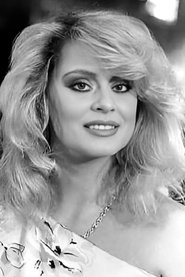
Bea Fiedler
Bea Fiedler
Sängerin
Bea Fiedler
Sängerin
Peter Schlesinger
Peter Schlesinger
Harry
Peter Schlesinger
Harry
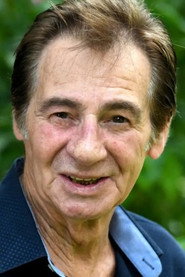
Moti Gilad
Moti Gilad
Rolf
Moti Gilad
Rolf
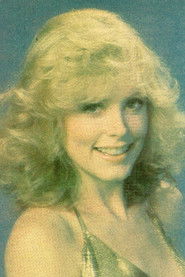
April Clough
April Clough
Annabelle
April Clough
Annabelle
Bonnie Benedict
Bonnie Benedict
Bonnie Benedict
Susanne Rorleton
Susanne Rorleton
Susanne Rorleton
Kem McLeroy
Kem McLeroy
Kem McLeroy
Jürgen Emanuel
Jürgen Emanuel
Jürgen Emanuel
Alexander Böttcher
Alexander Böttcher
Alexander Böttcher
Similar Movies
A surprisingly intimate portrait of how the dream of running one’s own business can take on monstrous contours. Managed by the father of one of the singers, over the course of five years the girl band 5Angels had reached the gates of pop fame. But it is a path paved not only with the songs of Michal David, but also with the dogged determination of a man who loses any notion of where his role as manager ends and his role as parent begins. An emotionally moved Karel Gott, five angelic girls, and one overly involved father, thanks to whom the behind-the-scenes pre-Christmas atmosphere melts away just as rapidly as the fat should disappear from the belly. “A singer can’t be a lard bucket!”
In the early 1970s, rubber was still king in Akron, Ohio. But just a few short years later, Akron's most important product was, ever so briefly, music. In the mid-1970s, a group of local bands took over an old rubber workers' hang-out in downtown Akron called The Crypt and created a mix of punk and art rock that came to be known as "the Akron Sound." And for a while, it was almost "the next big thing." Almost. It's Everything, and Then It's Gone, a Western Reserve PBS production written and directed by Phil Hoffman., takes viewers back to a time when the music really did mean everything. And for the men and women in these local bands, it was a way out of the factory.
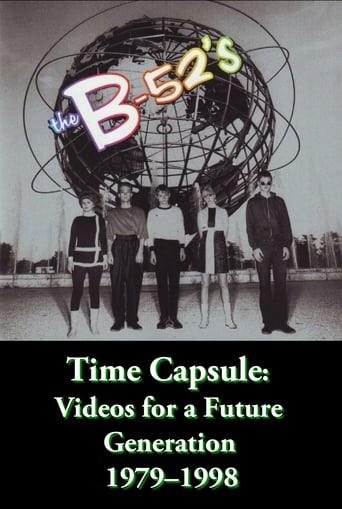
Taken in one concentrated best-of dose, it becomes evident what a coup The B-52's pulled off when they turned their own concentrated craziness into genuine hits. This is some of the weirdest stuff ever to make the charts, much less beloved by the masses. It's all here through the mad surf guitar of Ricky Wilson (and later Keith Strickland), the banshee wails of Cindy Wilson and Kate Pierson, and, of course, the, um, well, let's say vocalizing of freaky Fred Schneider. "Party out of Bounds" with a "Rock Lobster" on "Planet Claire," or "Roam" over to the "Love Shack" in "Private Idaho." Whatever you do in The B-52's universe will at least be good, clean, perverse fun
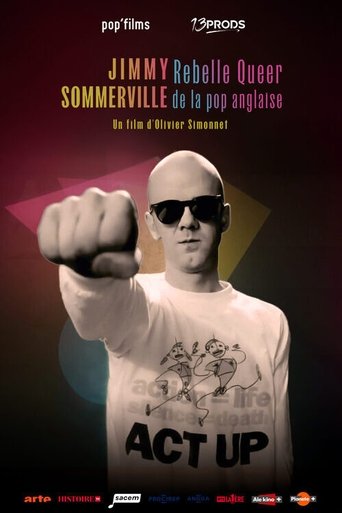
With his soaring falsetto and magnetic yet understated stage presence, Jimmy Somerville burst onto the 1980s new wave scene, making the world dance to songs rooted in struggle and resilience. From the harsh realities of Glasgow’s working-class neighborhoods to the challenges of growing up gay in a hostile world, and the devastating impact of the AIDS crisis, Somerville transformed pain into anthems of freedom. First with Bronski Beat, then The Communards, and later as a solo artist, he became both rebel and diva—the unmistakable voice of a generation fighting for equality. Through intimate stories from those who have stood by him for four decades, this portrait reveals a rare artist who has never wavered in his convictions.
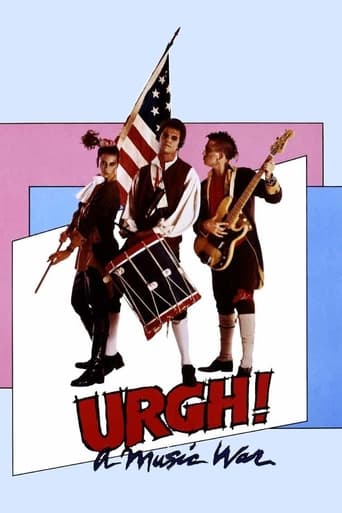
Urgh! A Music War is a British film released in 1982 featuring performances by punk rock, new wave, and post-punk acts, filmed in 1980. Among the artists featured in the movie are Orchestral Manoeuvres in the Dark (OMD), Magazine, The Go-Go's, Toyah Willcox, The Fleshtones, Joan Jett & the Blackhearts, X, XTC, Devo, The Cramps, Oingo Boingo, Dead Kennedys, Gary Numan, Klaus Nomi, Wall of Voodoo, Pere Ubu, Steel Pulse, Surf Punks, 999, UB40, Echo & the Bunnymen and The Police. These were many of the most popular groups on the New Wave scene; in keeping with the spirit of the scene, the film also features several less famous acts, and one completely obscure group, Invisible Sex, in what appears to be their only public performance.
One of the dominating figures in Elvis Presley's life was his manager, who was known as the "Colonel". No other relationship in Elvis' life was as controversial and misunderstood as the one he had with Colonel Tom Parker. The truth about their unique friendship is revealed in this documentary.
In 1959, Berry Gordy Jr. gathered the best musicians from Detroit's thriving jazz and blues scene to begin cutting songs for his new record company. Over a fourteen year period they were the heartbeat on every hit from Motown's Detroit era. By the end of their phenomenal run, this unheralded group of musicians had played on more number ones hits than the Beach Boys, the Rolling Stones, Elvis and the Beatles combined - which makes them the greatest hit machine in the history of popular music. They called themselves the Funk Brothers. Forty-one years after they played their first note on a Motown record and three decades since they were all together, the Funk Brothers reunited back in Detroit to play their music and tell their unforgettable story, with the help of archival footage, still photos, narration, interviews, re-creation scenes, 20 Motown master tracks, and twelve new live performances of Motown classics with the Brothers backing up contemporary performers.