


X-Ray Audio: The Documentary
Documentary
Overview
Cold War Leningrad: In a culture where the recording industry was ruthlessly controlled by the state, music lovers discovered an extraordinary alternative means of reproduction: they repurposed used x-ray film as the base for records of forbidden songs. Giving blood every week to earn enough money to buy a recording lathe, one bootlegger Rudy Fuchs cuts banned music onto such discarded x-rays to be sold on street corners by shady dealers. It was ultimate act of punk resistance, a two-fingered salute to the repressive regime that gave a generation of young Soviets access to forbidden Western and Russian music, an act for which Rudy and his fellow bootleggers would pay a heavy price.









No cast information.
Similar Movies
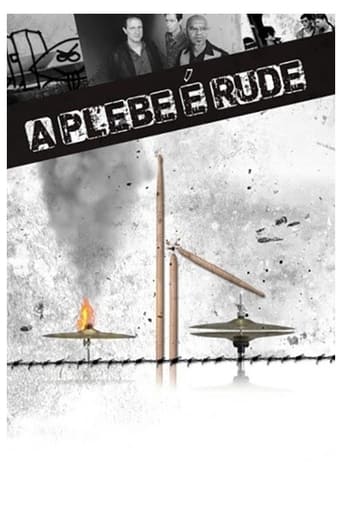
The trajectory of the Brazilian punk band Plebe Rude is told in an acid and good-humored tone. Through internal dialogues, the members and contemporary characters of the phonographic industry expose differences, exorcise hurts and analyze how changes in the Brazilian scenario in recent years. The group draws a musical panorama from the events of the 70s and 80s, the group's most successful period alongside the biggest names in national rock.
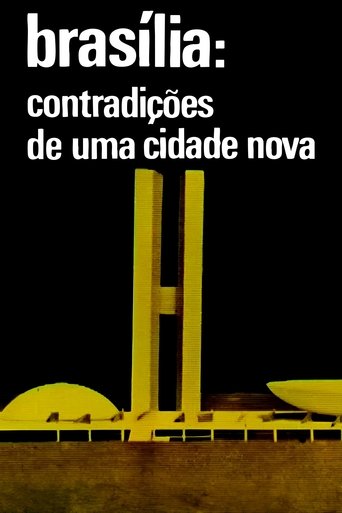
In 1967, de Andrade was invited by the Italian company Olivetti to produce a documentary on the new Brazilian capital city of Brasília. Constructed during the latter half of the 1950s and founded in 1960, the city was part of an effort to populate Brazil’s vast interior region and was to be the embodiment of democratic urban planning, free from the class divisions and inequalities that characterize so many metropolises. Unsurprisingly, Brasília, Contradições de uma Cidade Nova (Brasília, Contradictions of a New City, 1968) revealed Brasília to be utopic only for the wealthy, replicating the same social problems present in every Brazilian city. (Senses of Cinema)
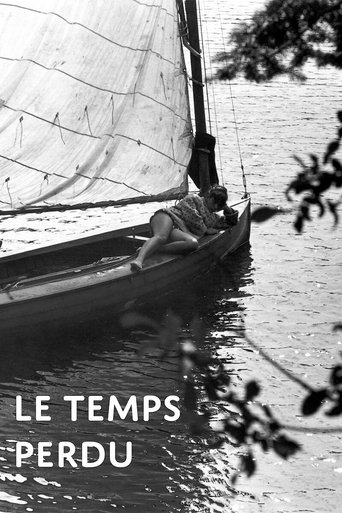
A 16 year old girl recalls the last moments of her summer vacation, spent with friends in the Laurentians north of Montreal. She reminisces about their talks on life, death, love, and God. Shot in direct cinema style, working from a script that left room for the teenagers to improvise and express their own thoughts, the film sought to capture the immediacy of the youths presence their bodies, their language, their environment.
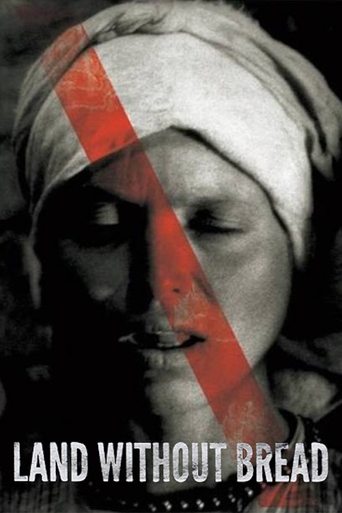
An exploration —manipulated and staged— of life in Las Hurdes, in the province of Cáceres, in Extremadura, Spain, as it was in 1932. Insalubrity, misery and lack of opportunities provoke the emigration of young people and the solitude of those who remain in the desolation of one of the poorest and least developed Spanish regions at that time.