

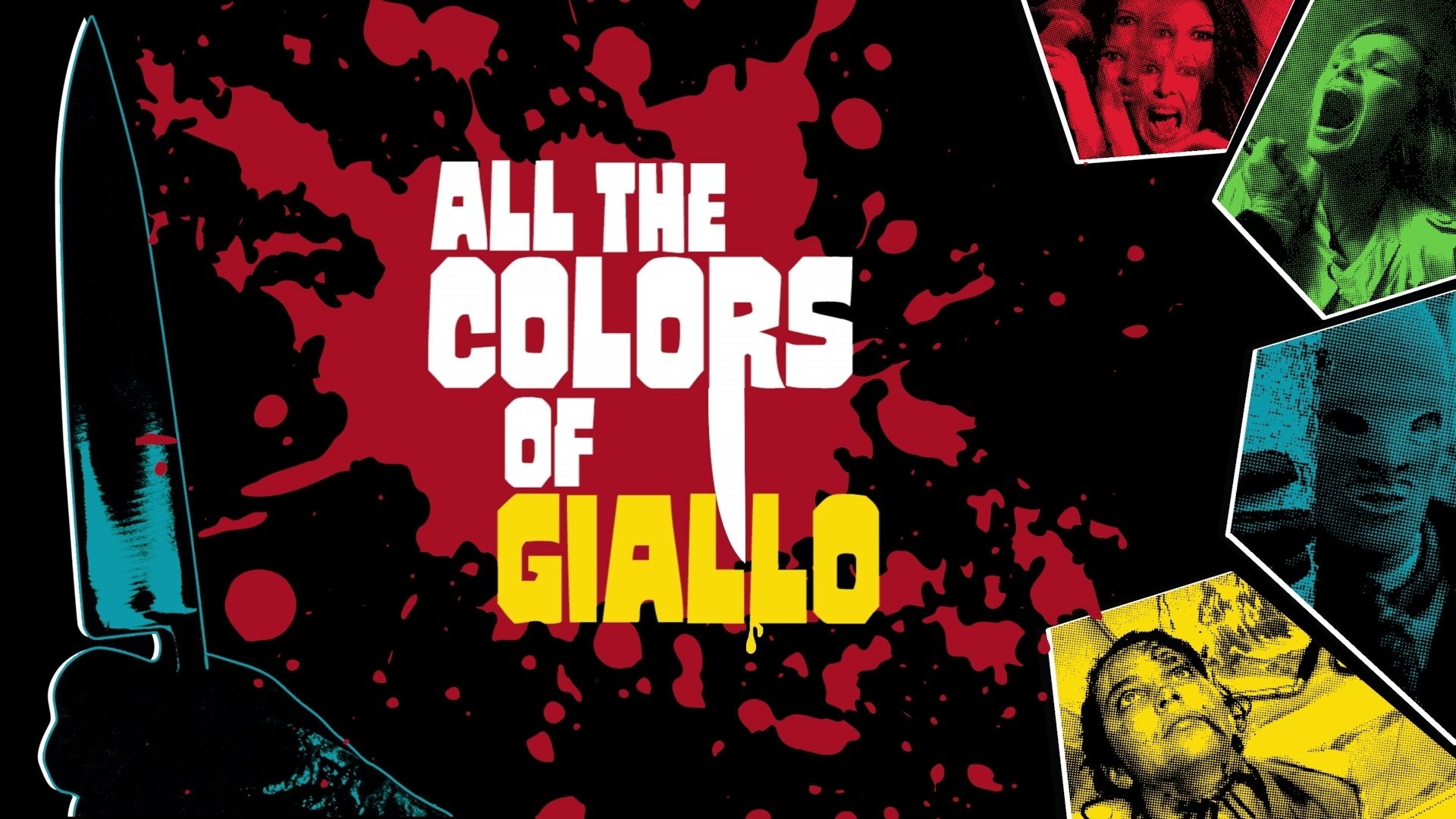

All the Colors of Giallo
Documentary
Overview
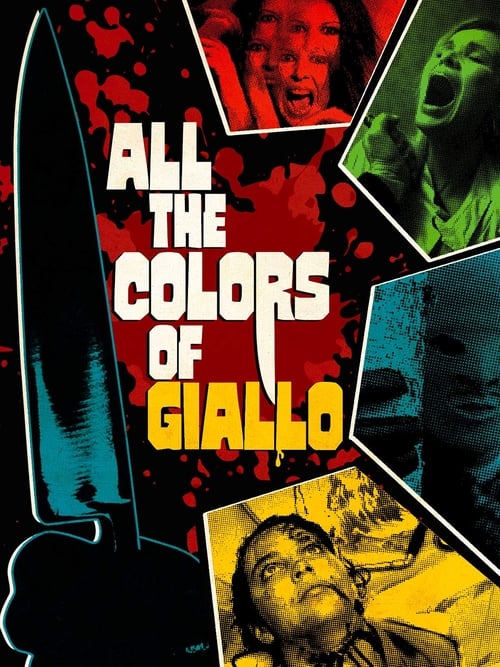
'Giallo' is Italian for 'yellow', the color of the lurid pulp novels that inspired one of the most intense, extreme and influential genres in movie history. In this unprecedented collection, experience the full chronological evolution of giallo with more than 100 rare and classic trailers from such masters as Mario Bava, Dario Argento, Lucio Fulci, Sergio Martino, Antonio Margheriti, Umberto Lenzi and many more. Then slip on black leather gloves and set the mood with a Bonus CD of legendary soundtrack music from composers that include Ennio Morricone, Riz Ortolani, Bruno Nicolai, Stelvio Cipriani and others, along with all-new featurettes that thrust even deeper into the genre. "But be warned," says Gizmodo.com, "Once you start going down the blood- slicked giallo rabbit hole, you may become dangerously obsessed."
Top Cast

Lamberto Bava
Self - Director / son of Mario Bava
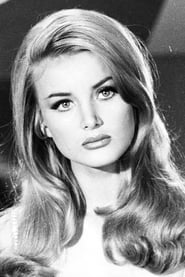
Barbara Bouchet
Self - Actress

Luciano Ercoli
Self - Director / Screenwriter (archive footage)

Edwige Fenech
Self - Actress
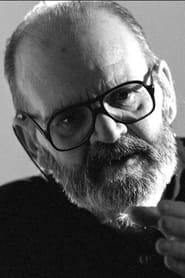
Lucio Fulci
Self - Director / Screenwriter (archive footage)

Ernesto Gastaldi
Self - Screenwriter
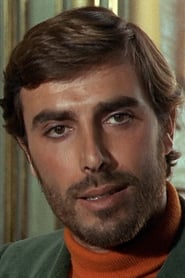
George Hilton
Self - Actor
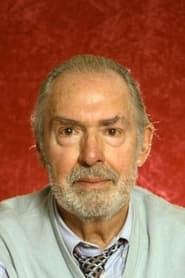
Umberto Lenzi
Self - Director (archive footage)

Sergio Martino
Self - Director / Screenwriter
Fabio Melelli
Self - Movie Historian

Nieves Navarro
Self - Actress (archive footage)
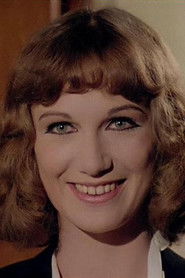
Daria Nicolodi
Actress / Screenwriter






Lamberto Bava
Lamberto Bava
Self - Director / son of Mario Bava
Lamberto Bava
Self - Director / son of Mario Bava
Barbara Bouchet
Barbara Bouchet
Self - Actress
Barbara Bouchet
Self - Actress
Luciano Ercoli
Luciano Ercoli
Self - Director / Screenwriter (archive footage)
Luciano Ercoli
Self - Director / Screenwriter (archive footage)
Edwige Fenech
Edwige Fenech
Self - Actress
Edwige Fenech
Self - Actress
Lucio Fulci
Lucio Fulci
Self - Director / Screenwriter (archive footage)
Lucio Fulci
Self - Director / Screenwriter (archive footage)
Ernesto Gastaldi
Ernesto Gastaldi
Self - Screenwriter
Ernesto Gastaldi
Self - Screenwriter
George Hilton
George Hilton
Self - Actor
George Hilton
Self - Actor
Umberto Lenzi
Umberto Lenzi
Self - Director (archive footage)
Umberto Lenzi
Self - Director (archive footage)
Sergio Martino
Sergio Martino
Self - Director / Screenwriter
Sergio Martino
Self - Director / Screenwriter
Fabio Melelli
Fabio Melelli
Self - Movie Historian
Fabio Melelli
Self - Movie Historian
Similar Movies
Tito del Amo, a passionate 72-year-old researcher, takes the final step to unravel the enigma about the alleged Spanish origin of the American cartoonist Walt Disney, making the same journey that his supposed mother made to give him up for adoption in Chicago. A journey that begins in Mojácar, Almería, Spain, and ends in New York. An exciting adventure, like Alicia's through the looking glass, to discover what is truth and what is not, with an unexpected result.
This short focuses on the job of the costume designer in the production of motion pictures. The costume designer must design clothing that is correct for the film historically and geographically, and must be appropriate for the mood of the individual scene. We see famed costume designer Edith Head at work on a production. The Costume Designer was part of The Industry Film Project, a twelve-part series produced by the film studios and the Academy. Each series episode was produced to inform the public on a specific facet of the motion picture industry. Preserved by the Academy Film Archive in 2012.
Rare documents and details of the film's story. From its initial option to its critical reception and legacy. Director David Weisman, who also produced "Kiss of the Spider Woman", comes off as rightful creative force behind the production, as it was his true passion. Very detailed comments from all the participants, from the author of the book to the lawyer for the production company, the actors, director, writers, producer, and crew members.
When looking at Pedro Almodóvar’s filmography, it becomes evident that women are everywhere; in fact, his work revolves around them. His divas are the best to create a real portrait of Almodóvar and evoke the emotional power of his films. These women are the ideal observers of a cinematic career that, from La Mancha to Hollywood, has changed the image of Spain in the world.
In one of those wonderful coincidences of history, lumière, the French word for “light,” was also the last name of brothers Auguste and Louis, whose brilliant invention, the cinematograph, helped to inaugurate the most beloved art form of the last 130 years. Institute Lumière director Thierry Frémaux uses Lumière, Le Cinema! to guide the viewer through over a hundred shorts—some famous, some forgotten, some never before seen—directed by Lumière and company. In the process, Frémaux illuminates how the brothers employed the camera as a creative instrument as they (and their operators) mastered framing, staging, and subject selection for quotidian and exotic microdocumentaries as well as the first ever fictional motion pictures. The result is not only a glorious re(telling) of the genesis of cinema but a profound meditation on the beautiful world captured—and the mysterious world imagined—by the Lumières.