

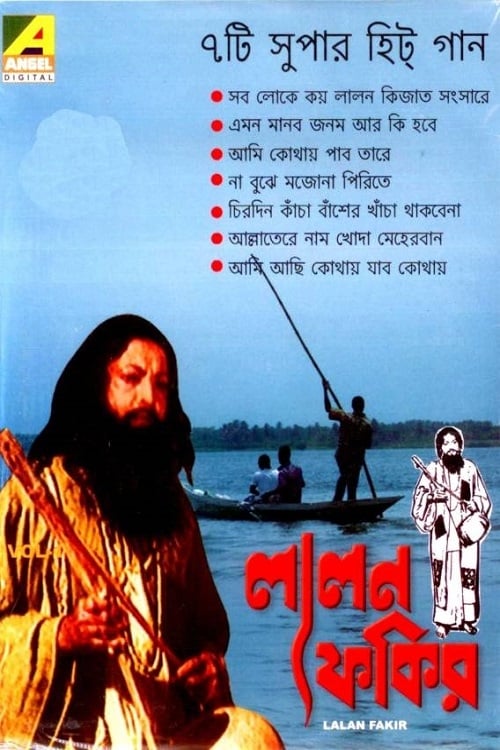
Lalan Fakir
Drama
Overview
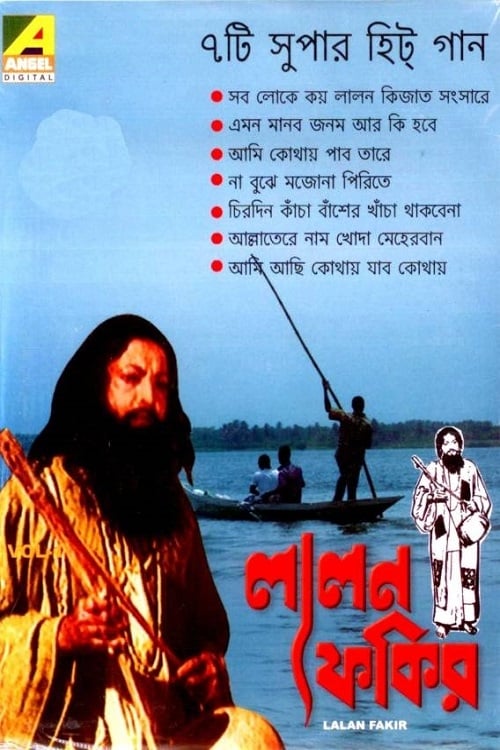
The heartwarming story of a fakir named Lalon Kar that traces his journey from being a family man to a wandering minstrel and how he spread the message of love everywhere. Note: Though poster art is in color, the movie is B&W. And while released in '87, it had to have been filmed in '84 or earlier, since Baran died in Nov 1984













Ashim Kumar
Ashim Kumar
Lalon
Ashim Kumar
Lalon

Sandhya Roy
Sandhya Roy
Moti Bibi
Sandhya Roy
Moti Bibi
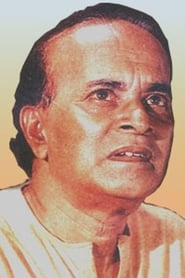
Rabi Ghosh
Rabi Ghosh
Rabi Ghosh
Asit Baran
Asit Baran
Siraj Sai
Asit Baran
Siraj Sai
Ajit Banerjee
Ajit Banerjee
Ajit Banerjee
Sibani Bose
Sibani Bose
Sibani Bose
Dilip Bose
Dilip Bose
Dilip Bose
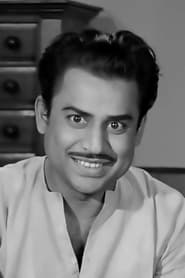
Anup Kumar
Anup Kumar
Anup Kumar
Similar Movies
Young lovers Orfeu and Eurydice run through the favelas of Rio during Carnaval, on the lam from a hitman dressed like Death and Orfeu's vengeful fiancée Mira and passing between moments of fantasy and stark reality. This impressionistic retelling of the Greek legend of Orpheus and Eurydice introduced bossa nova to the world with its soundtrack by young Brazilian composers Luiz Bonfá and Antonio Carlos Jobim.
"A socially anxious college student reluctantly heads to a party attempting to make new friends. Nande Walters directs “Who Are You Really?”, an experimental portrait of insecurity characterized by a raw, youthful energy. Anya walks into the room and immediately feels like everyone is judging her. Eventually she strikes up a conversation with a young man, but neither really knows what to say and it doesn’t go anywhere. After struggling through the awkward night, she’s surprised to learn that an extroverted friend didn’t fare much better. Walters is only 19 years old, one of the youngest we’ve ever featured on NoBudge, and her film is the work of an artist still learning her craft but she clearly knows the feeling she’s after and captures it with pops of style and a touching closing monologue." -Kentucker Audley
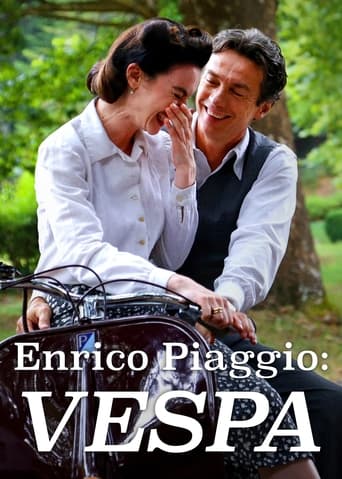
It is 1945. Enrico Piaggio’s Pontedera factory is in ruins and the 12,000 people who worked there are condemned to unemployment and misery. Piaggio feels the enormous responsibility resting on his shoulders: the lives of so many families depend on his ability to create new jobs. A project is born in the mind of the entrepreneur: a small, robust, agile and affordable means of transport, capable of relaunching mobility, giving impetus to the recovery of the country’s economic and civil life. To make this dream come true, Piaggio turns to engineer Corradino D’Ascanio, a brilliant designer who uses the experience gained in the field of aeronautics to create the scooter that remains today the symbol of Italian creativity and design: the Vespa!