

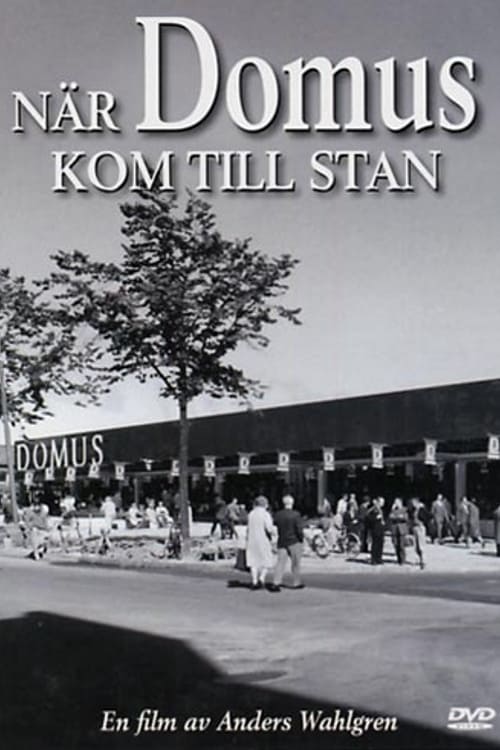
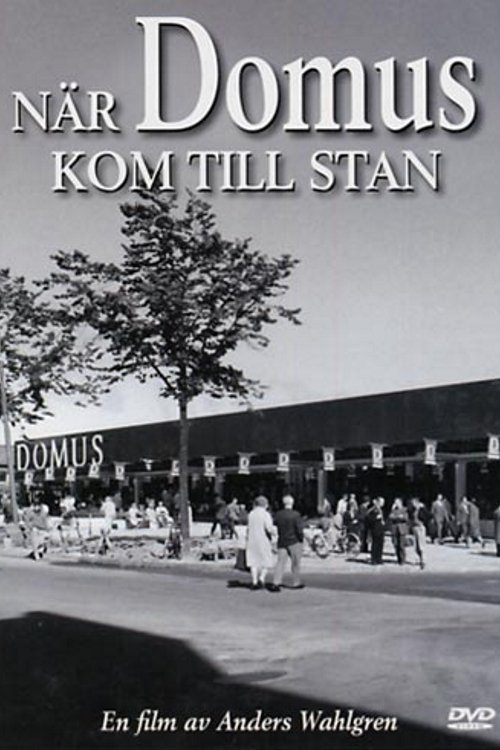
När Domus kom till stan
Documentary
Overview
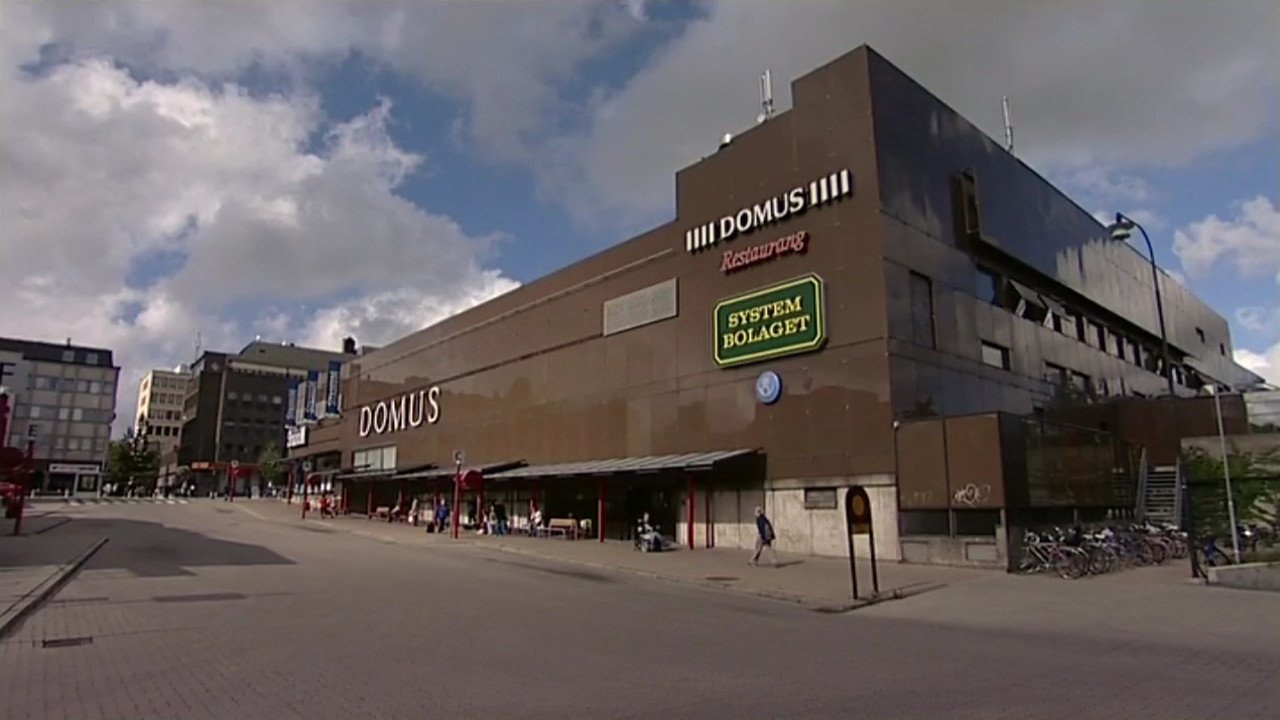
A documentary about Domus department stores in Sweden.







No cast information.
Similar Movies

The fifth movie of the kids from a school class in Jordbrovägen which the director has followed for over 24 years allows the now adult children through interviews talking about their lives. This is interspersed with inklipp from their everyday life and work, as well as clips from the previous movies.
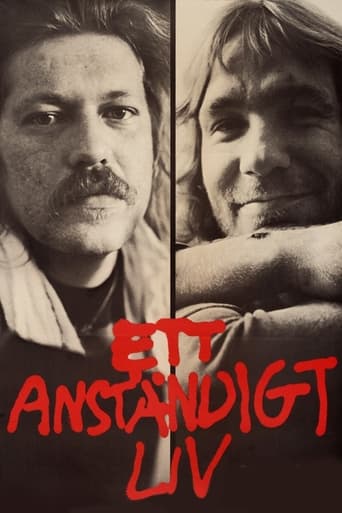
A decade has gone by and the spirit of the preceding film, Dom kallar oss mods, has disappeared. Kenta is an alcoholic and lives with his girlfriend Eva. Together they have a son, Patric. Kenta's mom is in jail for manslaughter and Kenta goes to Kronoberg to greet her. Heroin also comes to play and Stoffe is one of those who falls victim to it. He lives with his girlfriend Lena and their young son, Janne. Lena later throws Stoffe out their home when she gets enough of his abuse, and he is forced to live with his mother. Kenta calls Stoffe and decides to meet him, and he tries to persuade him to give up heroin, but the two have a falling out and they separate. This film features other users from the previous film, such as Jajje and Kenta Bergkvist. The film ends with the death of a prominent person in the trilogy.
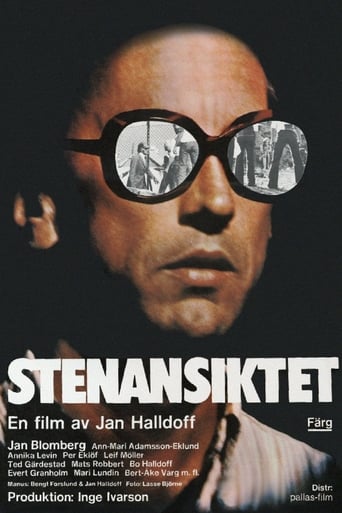
After losing his son in a traffic accident and his wife to mental illness, Harry moves to a gloomy Stockholm suburb. A local youth gang is harassing the neighborhood and Harry comes up with the idea of hiring the gang to kill the bureaucrats who are responsible for the construction of the suburb. The film is a fierce critique of the political project of building suburbs designed only for workers to sleep in and also wants to have a say in the debate over nature vs nurture.
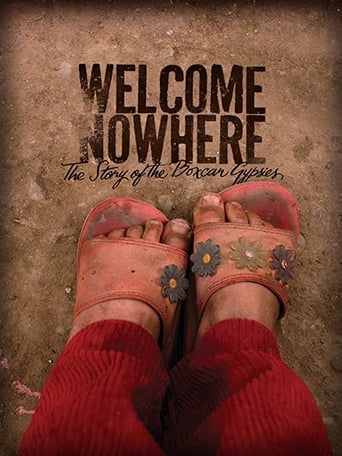
Narrated by Ethan Hawke, Welcome Nowhere tells the true story of a community of Roma people (commonly known as Gypsies) who live in old train boxcars in Sofia, Bulgaria after being forcibly evicted from their homes. Without bathrooms for more than 200 people, they struggle to survive, waiting for help from the government that never seems to come.
In 1967 Canadian filmmaker Hugh O'Connor came with a crew to eastern Kentucky to make a film showing people from all walks of life in the United States. They finished the day by filming coal miners and their families in rental houses. As the filmmakers were leaving, Hobart Ison, the owner of the property, drove up and fired three shots, killing Hugh O'Connor. Elizabeth Barrett, from Kentucky herself, explores why this happened by trying to understand the people and culture of eastern Kentucky.