

The Women Outside
Documentary
Overview
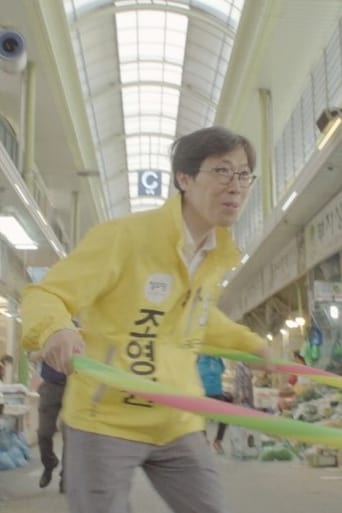
They're called bar women, hostesses, or sex workers and "western princesses." They come from poor families, struggling to earn a decent wage, only to be forced into the world's oldest profession. They're the women who work in the camptowns that surround U.S. military bases in South Korea. In 40 years, over a million women have worked in Korea's military sex industry, but their existence has never been officially acknowledged by either government. In The Women Outside, a film by J.T. Orinne Takagi and Hye Jung Park, some of these women bravely speak out about their lives for the first time. The film raises provocative questions about military policy, economic survival, and the role of women in global geopolitics






No cast information.
Similar Movies
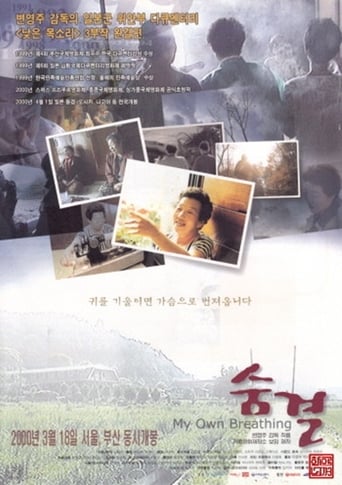
"My Own Breathing" is the final documentary of the trilogy, The Murmuring about comfort women during the World War II directed by BYUN Young-joo. This is the completion of her seven years work. BYUN's first and second documentaries spoke of grandmothers' everyday life through the origin of their torment, while My Own Breathing goes back to their past from their everyday life. Deleting any device of narration or music, the camera lets grandmothers talk about themselves. Finally, the film revives their deep voices trampled by harsh history.
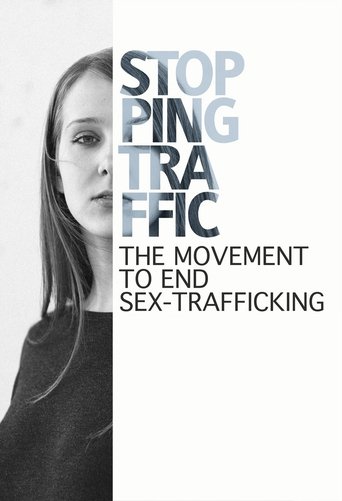
With the instant reach of social media and explosion in cyber porn, a child sex slave can be purchased online and delivered to a customer more quickly than a pizza. Stopping Traffic: The Movement to End Sex Trafficking starts the conversation on a taboo topic – with raw images of life on the streets, heart-pounding rescues and gut-wrenching, personal stories – ultimately offering a story of hope and empowerment, with the goal of engaging others in launching a movement to end modern-day slavery. With 27 million victims, human trafficking is the 2nd largest criminal enterprise in the world. Not just a back-alley enterprise in underdeveloped regions, it’s also prevalent in the U.S. and industrial nations. Stopping Traffic takes an unflinching, first-hand look at this shadowy underworld, telling the shocking story through the eyes of survivors, veteran activists, front-line rescue organizations and celebrities who support the cause, including Dolph Lundgren and Jeannie Mai.
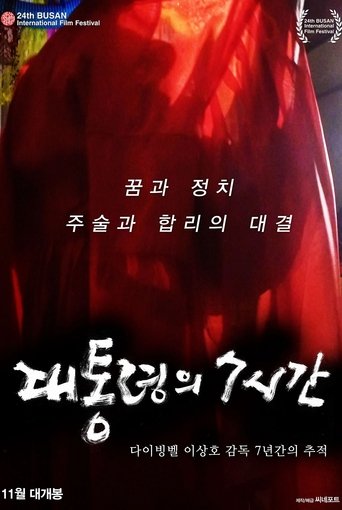
The film traces PARK Geun-hye's life back to the 1970s, when the leader-follower relationship began between PARK, who became the first lady of the Yushin regime, and CHOI Taemin, the leader of a pseudo-religion. It then examines the Sewol ferry incident, CHOI Soonsil Gate, candlelight rallies, and finally the impeachment.
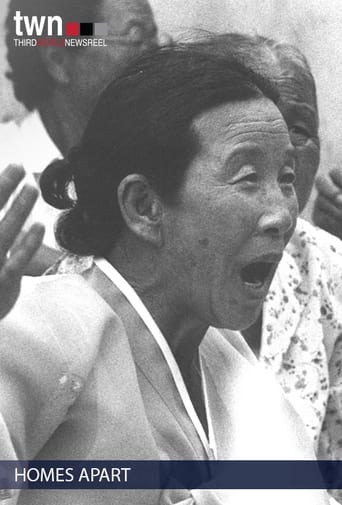
They speak the same language, share a similar culture and once belonged to a single nation. When the Korean War ended in 1953, ten million families were torn apart. By the early 90s, as the rest of the world celebrated the end of the Cold War, Koreans remain separated between North and South, fearing the threat of mutual destruction. Beginning with one man's journey to reunite with his sister in North Korea, filmmakers Takagi and Choy reveal the personal, social and political dimensions of one of the last divided nations on earth. The film was also the first US project to get permission to film in both South & North Korea.