


Documentary
Overview
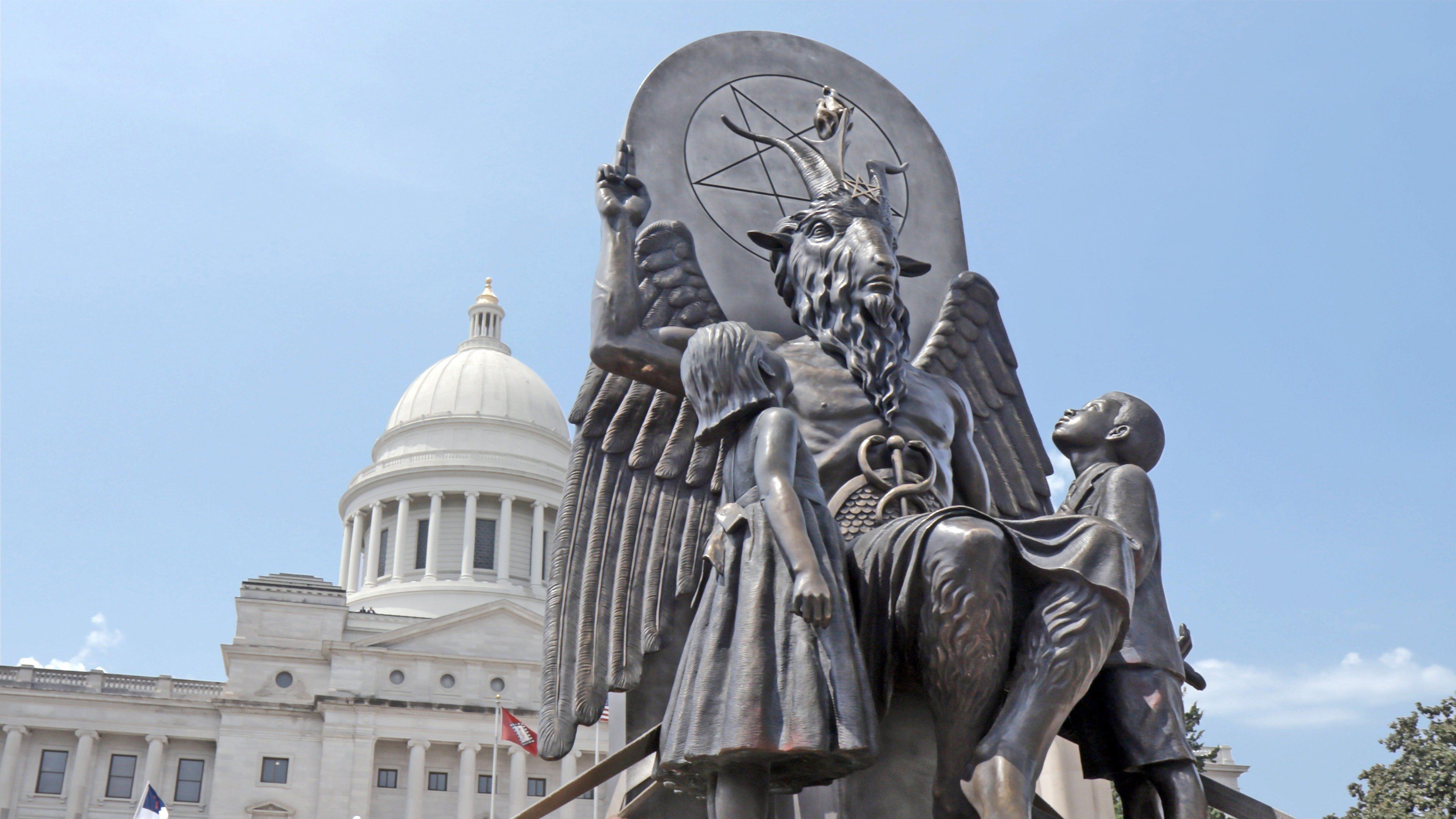
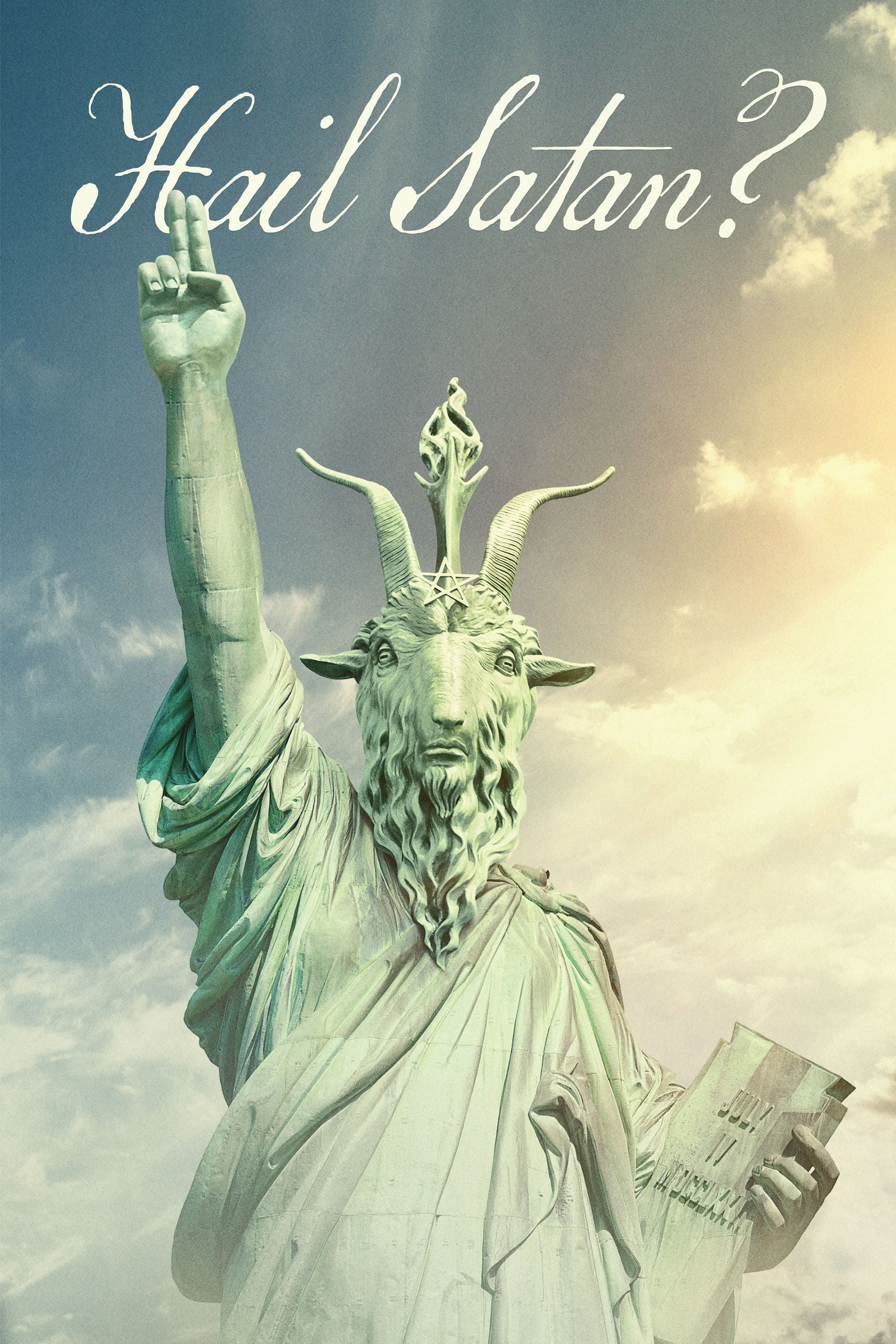
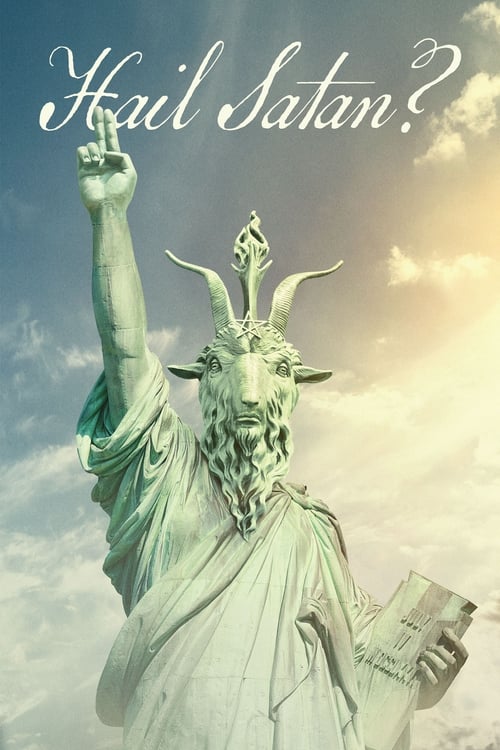
The story of The Satanic Temple, a controversial movement that combines religion and activism with the apparent purpose of questioning the basic foundations of US society.
Top Cast
Nicholas Crowe
Nicholas Crowe
Self - TST Collaborator
Nicholas Crowe
Self - TST Collaborator
Malcolm Jarry
Malcolm Jarry
Self - TST Co-founder
Malcolm Jarry
Self - TST Co-founder
Lucien Greaves
Lucien Greaves
Self - TST Co-founder
Lucien Greaves
Self - TST Co-founder
Jesper Aagaard Petersen
Jesper Aagaard Petersen
Self - Author
Jesper Aagaard Petersen
Self - Author
Jex Blackmore
Jex Blackmore
Self - TST Member
Jex Blackmore
Self - TST Member
Jay D. Wexler
Jay D. Wexler
Self - Law Professor
Jay D. Wexler
Self - Law Professor
Sadie Satanas
Sadie Satanas
Self - TST Member
Sadie Satanas
Self - TST Member
Lynita Killen
Lynita Killen
Self - TST Member
Lynita Killen
Self - TST Member
William Morrison
William Morrison
Self - TST Member
William Morrison
Self - TST Member
Eve Vulgaris
Eve Vulgaris
Self - TST Member
Eve Vulgaris
Self - TST Member
Similar Movies
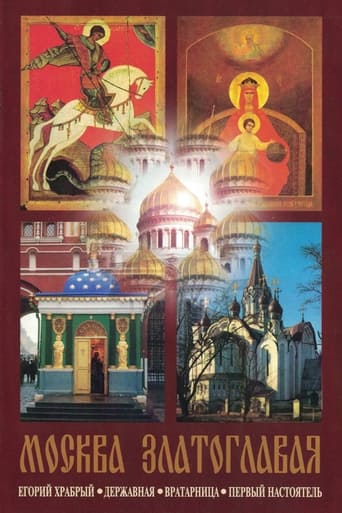
The collection "Moscow Golden-Domed" includes documentaries from the history of the capital. "Egoriy the Brave" about the Holy Great Martyr George the Victorious, whose image has adorned temples, princely and royal coats of arms, and banners of Russian troops since ancient times. The film "Reigning" tells about the appearance in Rus' in 1917, on the day of the abdication of Nicholas II, a new icon of the Reigning Mother of God. "Vratarnitsa" is a film about a chapel where Muscovites from time immemorial worshiped the icon of the Mother of God of Iberia. "The First Dean" - a story about the Church of the Resurrection of Christ in Sokolniki - one of the most remarkable in Moscow. The parishioners still remember the builder and first rector of the temple, Father John Kedrov. Filmed from 1993 to 1996.
Two drag queens living in a place where homophobia and transphobia are common open their hearts to the world, revealing the human being behind the makeup and wigs. They share the reality of drag as an art form and what it means to move forward as part of the LGBTTTI+ community in a Latin American context.

In BBC ONE's The Virgin Mary, dramatic reconstructions and stunning visual effects are combined with the latest findings from historians and New Testament scholars to recreate the story of this remarkable woman. Presented by actress Sue Johnston, The Virgin Mary explores the history behind the miraculous Bible story to reveal the living, breathing mother of Christianity. The picture that emerges is very different from that of popular belief – the serene young woman, dressed in blue silken robes, was largely a creation of later writers and Renaissance painters.

For seven years, award-winning Chinese-American filmmaker Nanfu Wang follows Rosa María Payá, daughter of the five time Nobel Peace Prize nominated activist, Oswaldo Payá, in Rosa's fight for democratic change in Cuba. Rosa's narrative is interwoven with Wang's poignant reflections on her Chinese upbringing and her observations of eroding democratic norms in the U.S., revealing unsettling similarities to the authoritarian system she left behind.
In the panorama of Kurdish music, Koma Berxwedan (Group Resistance) is one of the most interesting, innovative, experimental groups. To a deep love for music research the group has always associated a strong political commitment. Some of its members have joined the PKK guerrillas in the mountains of Kurdistan. Three of them died in combat. Some have been forced to live in exile and others continued to challenge the Turkish authorities by carrying out their work in Kurdistan.
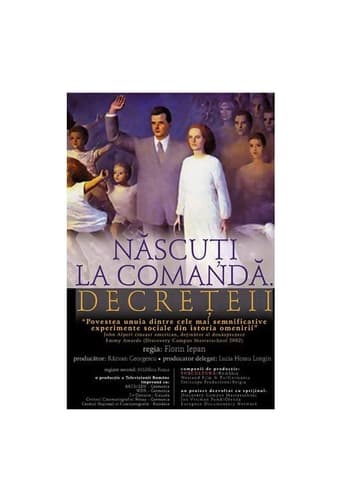
Procreation is the social duty of all fertile women, was the political thinking during the 1960s and 1970s in Romania. In 1966, Ceaucescu issued Decree 770, in which he forbade abortion for all women unless they were over forty or were already taking care of four children. All forms of contraception were totally banned. The New Romanian Man was born. By 1969, the country had a million babies more than the previous average. Romanian society was rapidly changing. By using very interesting archival footage and excerpts from old fiction films and by interviewing famous personalities from that time – gynecologists or mothers who were part of the new society - the director revives this period of tremendous oppression of personal freedom. Many deaths were caused by the mere fact that women, including wives of secret Romanian agents, famous TV presenters, and actresses, had to undergo illegal abortions. Many women were jailed for having them.