


Documentary
Overview
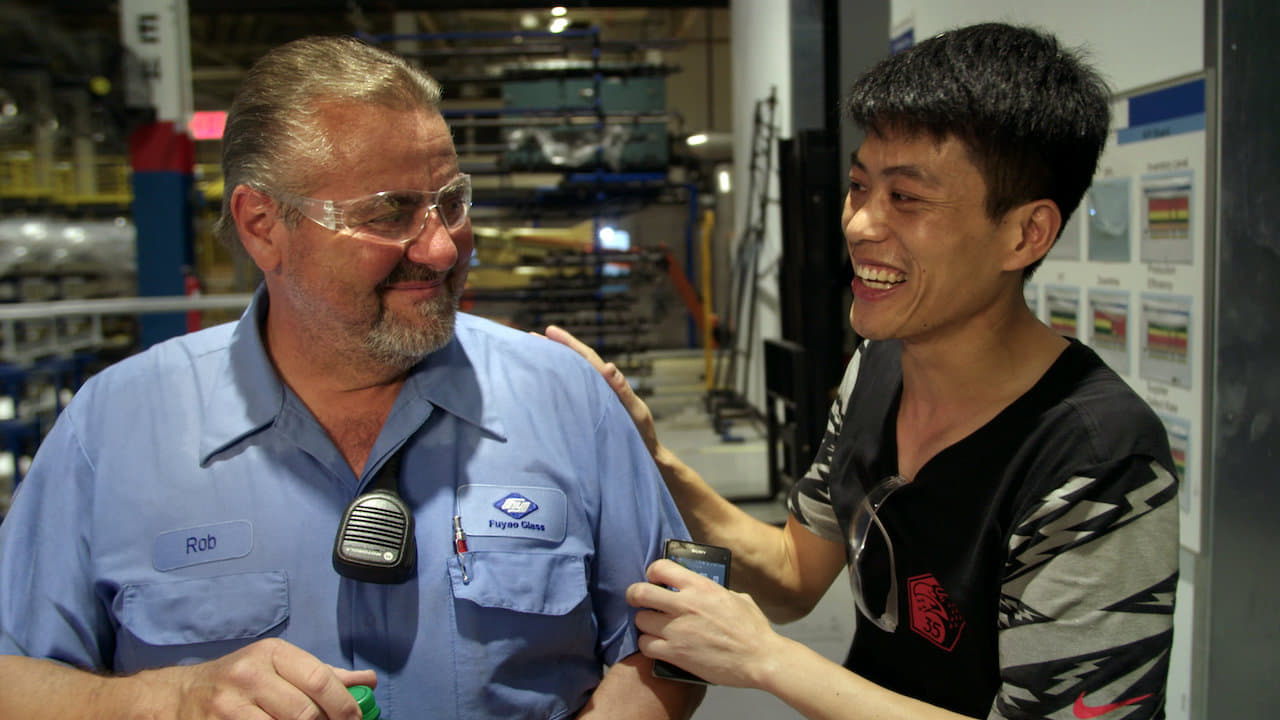
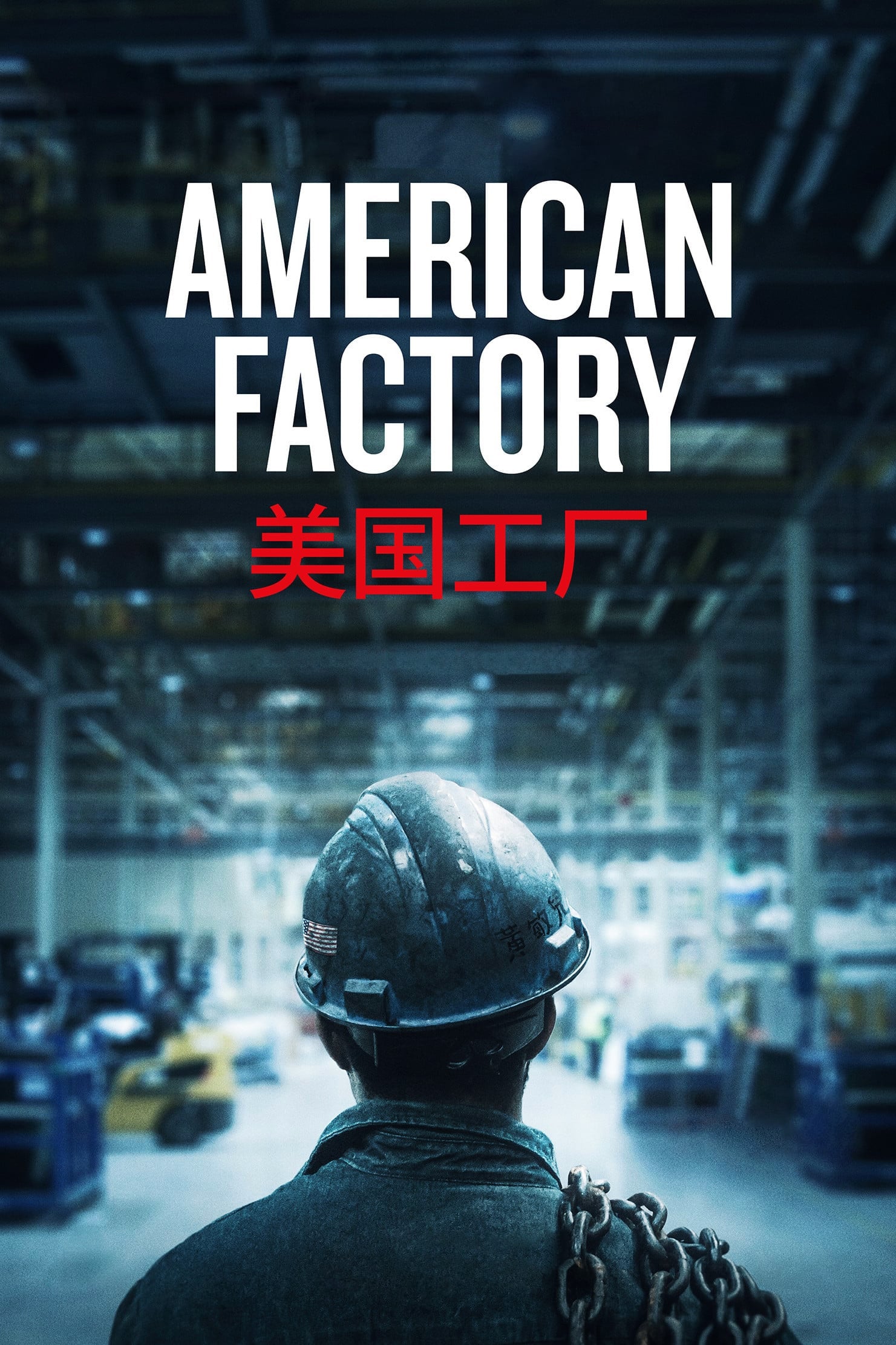
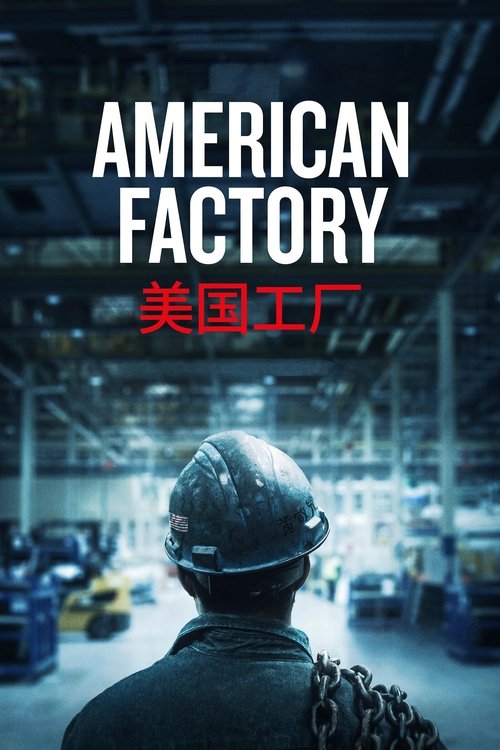
In post-industrial Ohio, a Chinese billionaire opens a new factory in the husk of an abandoned General Motors plant, hiring two thousand blue-collar Americans. Early days of hope and optimism give way to setbacks as high-tech China clashes with working-class America.
Top Cast
Junming 'Jimmy' Wang
Self - Vice President, Fuyao
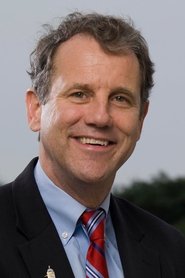
Sherrod Brown
Self - U.S. Senator, Ohio
Dave Burrows
Self - Vice President, Fuyao Glass America
John Gauthier
Self - President, Fuyao Glass America
Rob Haerr
Self - Furnace Supervisor
Cynthia Harper
Self - Lamination Specialist
Wong He
Self - Furance Engineer
Jill Lamantia
Self - Forklift Operator
Jeff Daochuan Liu
Self - President, Fuyao Glass America
Shawnea Rosser
Self - Glass Inspector
Rebecca Ruan-O'Shaughnessy
Self - Fuyao Attorney







Junming 'Jimmy' Wang
Junming 'Jimmy' Wang
Self - Vice President, Fuyao
Junming 'Jimmy' Wang
Self - Vice President, Fuyao
Sherrod Brown
Sherrod Brown
Self - U.S. Senator, Ohio
Sherrod Brown
Self - U.S. Senator, Ohio
Dave Burrows
Dave Burrows
Self - Vice President, Fuyao Glass America
Dave Burrows
Self - Vice President, Fuyao Glass America
John Gauthier
John Gauthier
Self - President, Fuyao Glass America
John Gauthier
Self - President, Fuyao Glass America
Rob Haerr
Rob Haerr
Self - Furnace Supervisor
Rob Haerr
Self - Furnace Supervisor
Cynthia Harper
Cynthia Harper
Self - Lamination Specialist
Cynthia Harper
Self - Lamination Specialist
Wong He
Wong He
Self - Furance Engineer
Wong He
Self - Furance Engineer
Jill Lamantia
Jill Lamantia
Self - Forklift Operator
Jill Lamantia
Self - Forklift Operator
Jeff Daochuan Liu
Jeff Daochuan Liu
Self - President, Fuyao Glass America
Jeff Daochuan Liu
Self - President, Fuyao Glass America
Shawnea Rosser
Shawnea Rosser
Self - Glass Inspector
Shawnea Rosser
Self - Glass Inspector
Similar Movies
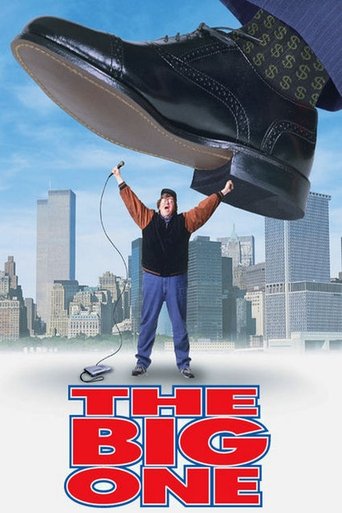
The Big One is an investigative documentary from director Michael Moore who goes around the country asking why big American corporations produce their product abroad where labor is cheaper while so many Americans are unemployed, losing their jobs, and would happily be hired by such companies as Nike.
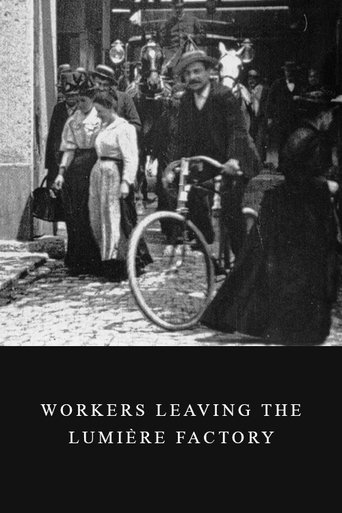
Working men and women leave through the main gate of the Lumière factory in Lyon, France. Filmed on 22 March 1895, it is often referred to as the first real motion picture ever made, although Louis Le Prince's 1888 Roundhay Garden Scene pre-dated it by seven years. Three separate versions of this film exist, which differ from one another in numerous ways. The first version features a carriage drawn by one horse, while in the second version the carriage is drawn by two horses, and there is no carriage at all in the third version. The clothing style is also different between the three versions, demonstrating the different seasons in which each was filmed. This film was made in the 35 mm format with an aspect ratio of 1.33:1, and at a speed of 16 frames per second. At that rate, the 17 meters of film length provided a duration of 46 seconds, holding a total of 800 frames.
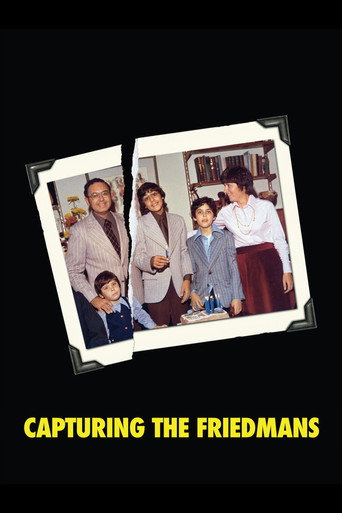
An Oscar nominated documentary about a middle-class American family who is torn apart when the father Arnold and son Jesse are accused of sexually abusing numerous children. Director Jarecki interviews people from different sides of this tragic story and raises the question of whether they were rightfully tried when they claim they were innocent and there was never any evidence against them.

This autobiographical film documents an attempt at healing the trauma of touch between mother and child, as the filmmaker and their mother talk openly for the first time about the intergenerational trauma and abuse within their lives. Present day phone conversations are juxtaposed with archival VHS footage, creating a connection between the past and a re-write for the future.
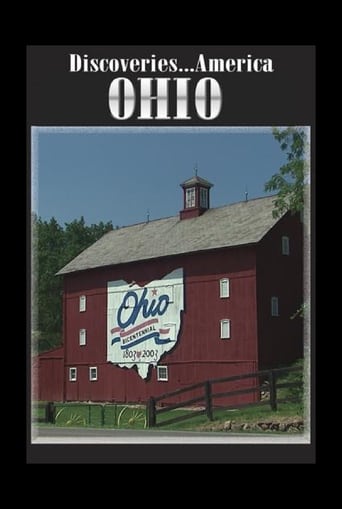
Ohio is the Midwest's eastern gateway, a vast land originally controlled by the Iroquois Indians. An important rail link, Ohio is bordered by the Allegheny Mountains to the east and the farmlands of the Great Plains to the west. A century ago, Ohio's most famous residents, Orville and Wilber Wright, were two bicycle mechanics who ended up leaving their mark in aviation.