

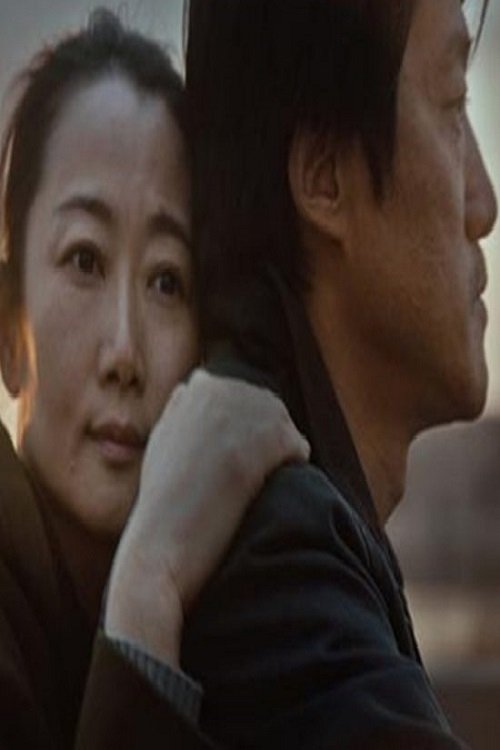
Revive
Drama
Overview
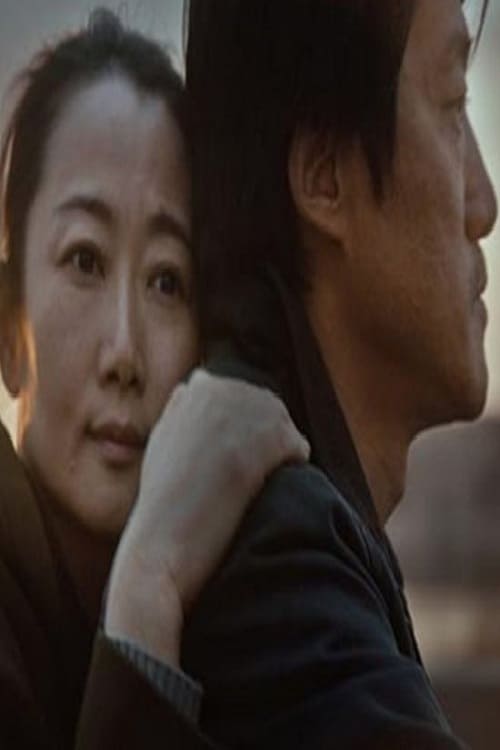
Revive is one of five short films within the Jia Zhangke-produced omnibus film Where Has Time Gone? with contributions from each of the BRICS countries (Brazil, Russia, India, China, and South Africa). In Jia’s segment, a Chinese couple in the ancient town of Pingyao attempts to breathe new life into their old love as they ponder having a second child. Pingyao, home to the film festival Jia has co-founded, is a highly picturesque UNESCO World Heritage Site, and Jia humorously plays with a very recent dilemma – the second child policy dates from only 2013 – in a setting itself forcibly revived from history.
Top Cast












Zhao Tao
Zhao Tao
Zhao Tao

Liang Jingdong
Liang Jingdong
Liang Jingdong
Similar Movies
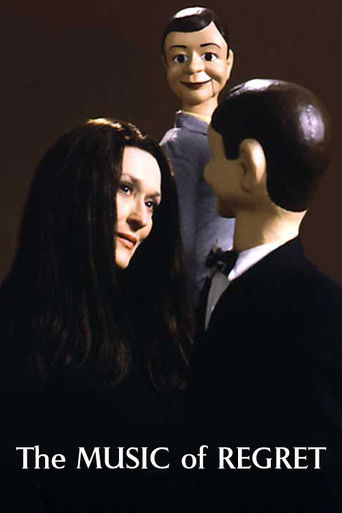
Simmons, best-known for her photographs of miniature rooms populated by dolls and of oversized objects—such as a house, birthday cake, and pistol—balanced on female legs, both human and fake, brings these characters to life in a three-act mini-musical. The film is inspired by three distinct periods of Simmons’s photographic work: vintage hand puppets, ventriloquist dummies and walking objects enact tales of ambition, disappointment, love, loss, and regret. Working with composer Michael Rohaytn ("Personal Velocity") and cameraman Ed Lachman ("The Virgin Suicides" and "Far From Heaven"), Simmons’s puppets come to life in miniature domestic scenes that echo real life.

Jack is the fastidious manager of a local supermarket. The harmless but disruptive actions of his customers frequently give him headaches, which he remedies by holding a can of frozen juice against his forehead. At home, however, Jack is consistently kind, loving, and patient with his wife and daughter. One day the child brings home a stray dog, and his life is turned upside down.

Darma is a visceral and unflinching short film that confronts the dark realities of abuse and power. With its brutal and blood-soaked sequences, the film delivers gripping action that heightens adrenaline, supported by dynamic and precise camera movements. At its core, Darma explores sexual abuse committed by those in positions of authority, individuals who not only perpetrate violence but also manipulate systems to conceal their crimes. The narrative also reflects on the power of media in shaping public opinion, and how such coverage can deeply affect the psychological state of survivors. With a runtime of 14 minutes, Darma is both urgent and impactful, pulling the audience into an uncomfortable yet necessary confrontation with truth, silence, and justice.