

The Adventures of Pinocchio
Animation
Overview
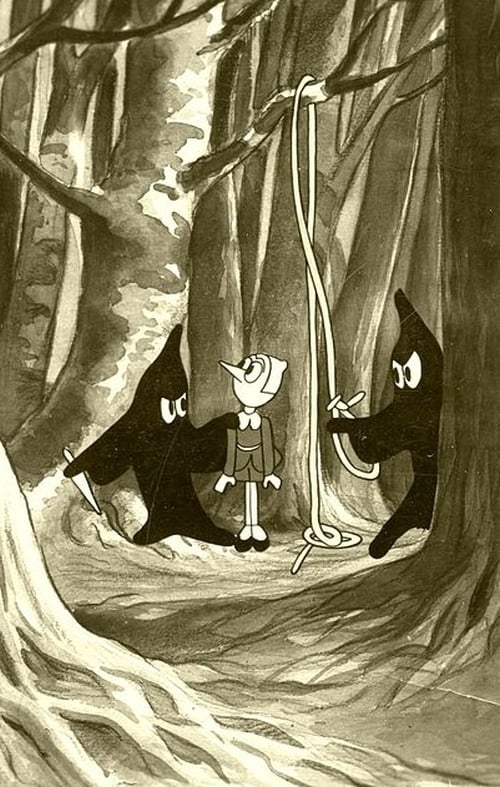
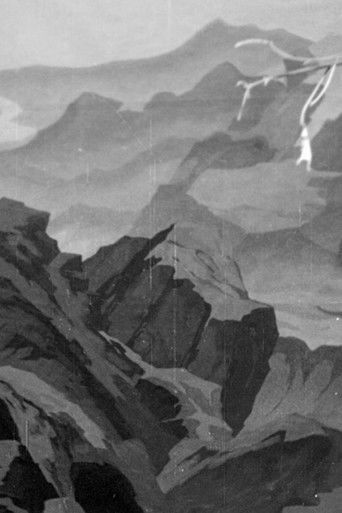
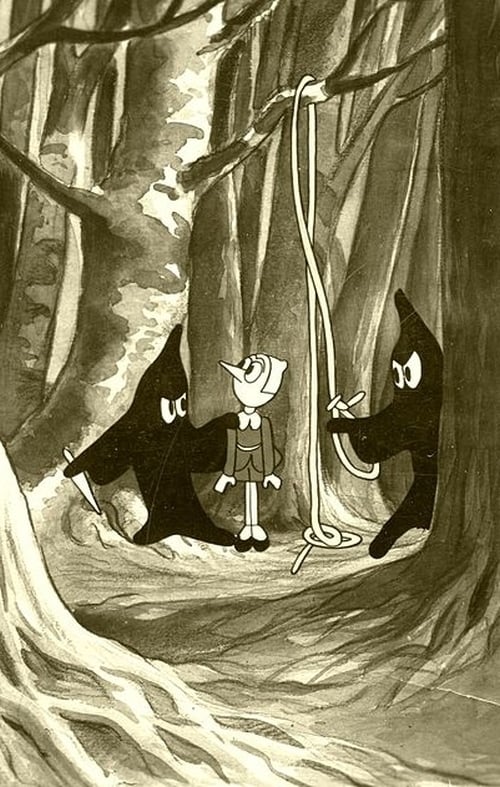
The Adventures of Pinocchio (Italian: Le avventure di Pinocchio) was an Italian animated film directed by Raoul Verdini and Umberto Spano. Created and produced by Cartoni Animati Italiani Roma (CAIR) and distributed by De Vecchi, this cartoon was based on the famous children's book The Adventures of Pinocchio by Carlo Collodi. The film was intended to be the first animated feature film from Italy, but was never completed; if the film was finished, it also would have been the first cel animated feature film ever, beating Snow White and the Seven Dwarfs, and the first animated film adaptation based on the novel of the same name, It is now considered lost: only the original script and a couple of still frames are all that survived of the film. Currently considered a lost film.
No cast information.
Similar Movies
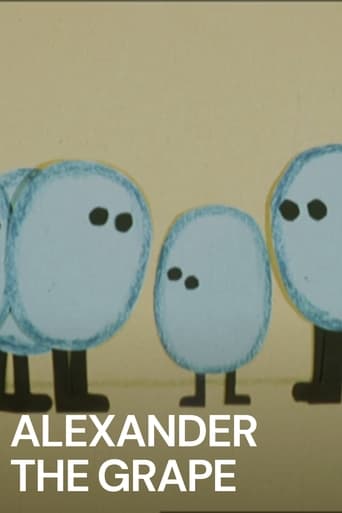
ALEXANDER THE GRAPE, an unfinished cut-paper animated short from Jim Henson from 1965, relates the fable of a young grape with big ambitions who learns that it is better to accept yourself than to try to be something you are not. The short was reconstructed from film and audio elements; images from Jim’s storyboard fill in missing segments of the animation.
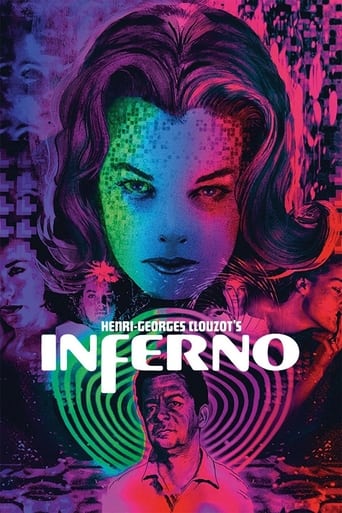
In 1964, Henri-Georges Clouzot's production of L'Enfer came to a halt. Despite huge expectations, major studio backing and an unlimited budget, after three weeks the production collapsed. This documentary presents Inferno's incredible expressionistic original rushes, screen tests, and on-location footage, whilst also reconstructing Clouzot's original vision, and shedding light on the ill-fated endeavor through interviews, dramatizations of unfilmed scenes, and Clouzot's own notes.
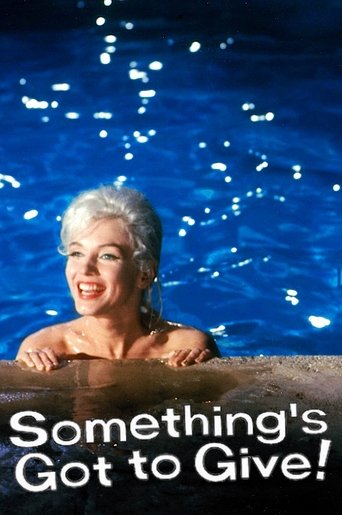
Something's Got to Give (1962) was an unfinished film starring Marilyn Monroe, Dean Martin, and Cyd Charisse, intended as a remake of My Favorite Wife. Production was plagued by Monroe's frequent absences due to illness, leading to her firing and rehiring, and the project was abandoned after her sudden death in August 1962, making it her final work.
In the spring of 1970, between the African Orestiade and The Decameron, Pasolini shot a film for which he wrote a commentary in verses but never finished editing. The film was born as a typical Pasolini intervention: filming the strike of the garbage collectors in Rome, who at the time worked in dramatic health conditions, and filming the humility of their daily work, amidst the waste and scraps of society, in the squares and in the streets. Pasolini also filmed the faces of garbage collectors engaged in claims discussions and the result was an extraordinary anthropological picture of an unknown humanity.

An unfinished film is passed along from one friend to another. The dialog between them is a journey crossed by the swarming of the Great Eastern Brood X of periodical cicadas that prophetically emerge every 17 years in the United States, invoking a reflection of a post-pandemic present and our shared futures. A road movie composed of a chorus of voices (both human and non-human), the warnings of history, the power of nature and rebirth.