

Horse Wrangler
Documentary
Overview
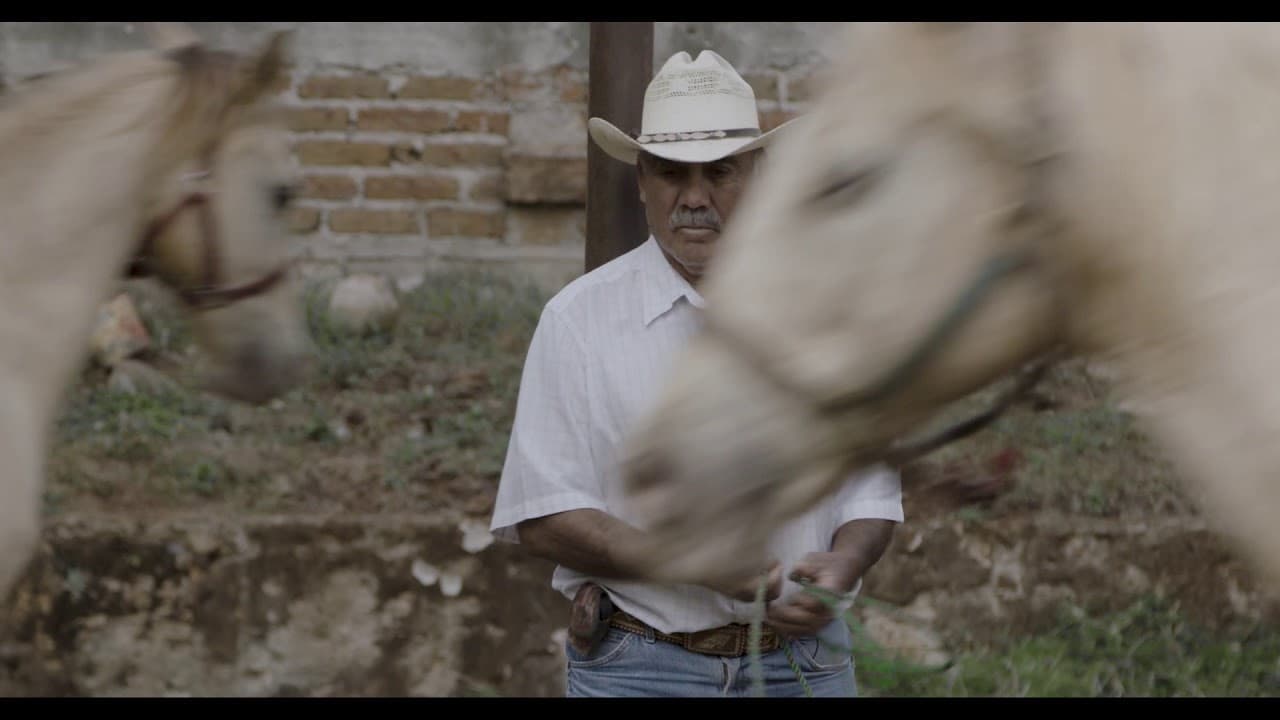
Nando, a young horse wrangler in a rural Mexican village, has taken his own life following a disagreement with his father. Caballerango shows the boy’s family members and townspeople as they reckon with the new realities borne out of this inexplicable tragedy. Each account of Nando’s story reveals a different aspect of this rural town, which is deeply affected by modernization. The confrontation between the centuries-old ways of life and the modern-day world seems to be creating serious identity crises among the younger generation. The story is told in a patient, observational style with methodical shots of the landscape, ranches, and of the two white horses, whom Nando and his father tended to. Those horses, the last to see Nando alive, connect us to an ethereal sensation of almost otherworldly mystical beings.
Top Cast





José Bolaños Becerra
José Bolaños Becerra
José Bolaños Becerra
María Isabel Espejo López
María Isabel Espejo López
María Isabel Espejo López
Verónica Bolaños Espejo
Verónica Bolaños Espejo
Verónica Bolaños Espejo
Fernanda Bolaños Espejo
Fernanda Bolaños Espejo
Fernanda Bolaños Espejo
José Bolaños Espejo
José Bolaños Espejo
José Bolaños Espejo
Jesús Bolaños Becerra
Jesús Bolaños Becerra
Jesús Bolaños Becerra
Cuca Bolaños Becerra
Cuca Bolaños Becerra
Cuca Bolaños Becerra
Humberto Rodríguez Serrano
Humberto Rodríguez Serrano
Boti
Humberto Rodríguez Serrano
Boti
José Rodríguez Ramírez
José Rodríguez Ramírez
José Rodríguez Ramírez
María Concepción Hernández
María Concepción Hernández
María Concepción Hernández
Similar Movies
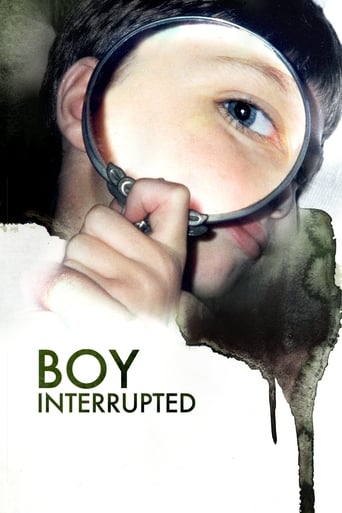
On the night of Oct. 2, 2005, Hart and Dana Perry's 15-year-old son Evan jumped to his death from his New York City bedroom window. This moving film is the story, told by his filmmaker parents and others who knew him, of Evan’s life and death, and his life-long struggle with bipolar disorder. It delves into the complexity of Evan's disease, sharing his family's journey through the maze of mental illness. In showing how one family deals with generations of loss and grief, the film defies the stigma related to mental illness and suicide and tells a human story that touches everyone.
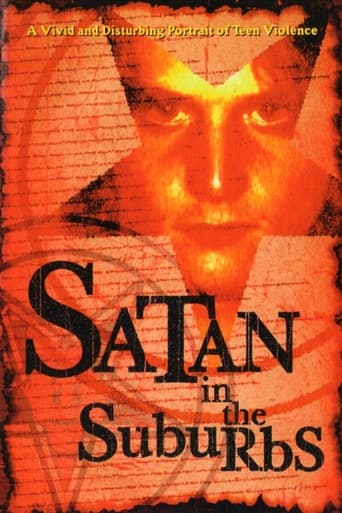
Satan in the Suburbs tells the shocking story of a grisly ritualistic murder in the quiet bedroom community of Northport, Long Island in the summer of 1984. The killing, it soon emerged, was linked to a teen satanic cult. Perhaps more disturbing than the details of the murder itself was the revelation of a conspiracy of silence among the town's teenagers, many of whom had been aware of the, e killing in the two weeks before an anonymous call finally tipped off local police. 17- year-old Ricky Kasso was arrested and confessed to the crime; five days later, he hung himself in his holding cell. Kasso's friend Jimmy Troiano also. confessed, but was acquitted after jurors learned that he was beaten by local police. The murder shocked the local community and reverberated nationally, with some uninformed observers rushing to scapegoat rock music as the cause.

In 1999, 11-year-old Nisha Platzer lost her older brother, Josh, to suicide. Twenty years later, her search for a specialized medical treatment leads her to the door of someone who was once exceptionally close to Josh. And so it is that she finally has the chance to truly know her brother through his chosen family. Captured over five years in which synchronicities continually manifested, Platzer’s documentation of these encounters gently asserts that both grieving and healing are meant to be communal experiences.
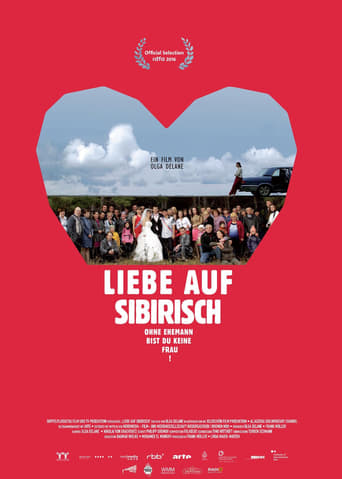
After 20 years of living in Berlin, the director Olga Delane goes back to her roots in a small Siberian village, where she is confronted with traditional views of relationships, life and love. The man is the master in the home; the woman’s task is to beget children and take care of the household (and everything else, too). Siberian Love provides unrivaled insights into the (love) life of a Siberian village and seeks the truth around the universal value of traditional relationships.
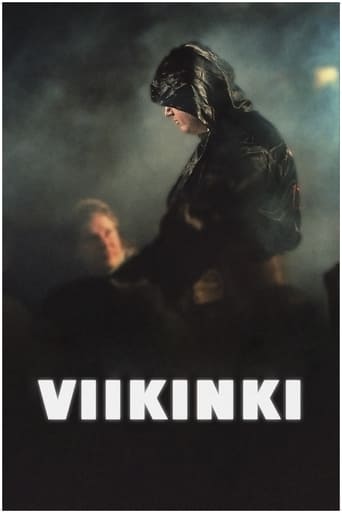
Documentary film about Tony Halme, masculinity and populism. The film follows how Tony Halme created a mythical, highly masculine freestyle wrestling character, The Viking, who gained fame both in the ring and in the public eye and eventually became captivated by it. With his brash speeches, Halme fired the starting shot for the rise of the Finns Party. The voice of a forgotten section of the population, a protest against the ruling elite, were the building blocks of Halme's popularity. Halme's great popularity has served as a good example of a populist figure, admired within the deep ranks of the nation, who comes from outside the political elite and changes the direction of politics. Also, despite - or perhaps because of - his openly racist statements, he was part of changing the political climate in Finland to a more acrimonious one.