

Savages: The Story of Human Zoos
Documentary · History
Overview
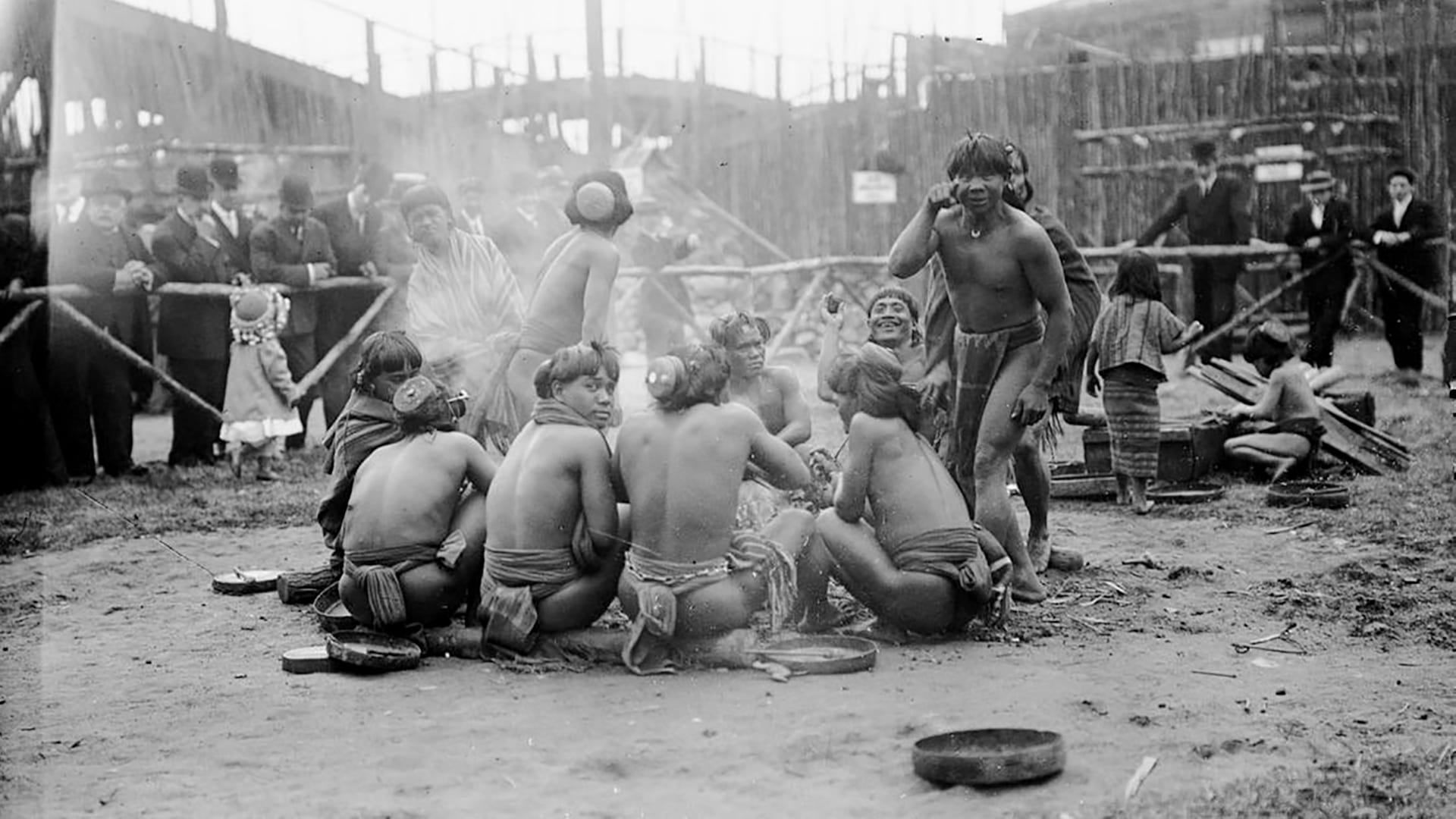
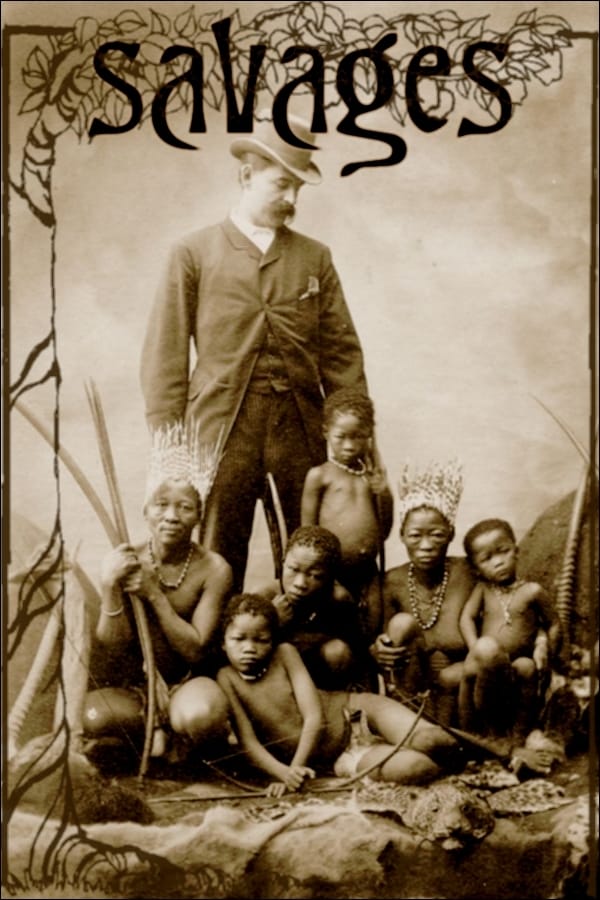
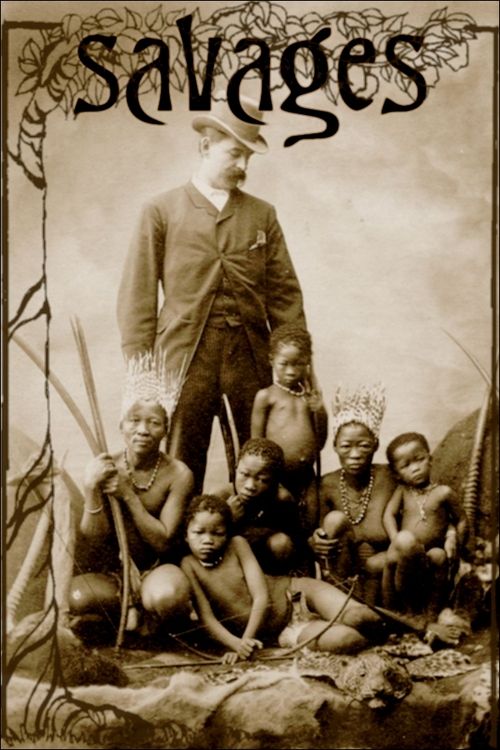
For more than a century the great colonial powers put human beings, taken by force from their native lands, on show as entertainment, just like animals in zoos; a shameful, outrageous and savage treatment of people who were considered subhuman.
Top Cast

Abd Al Malik
Self - Narrator (voice)
Lilian Thuram
Self - Anti-racism Activist
Pascal Blanchard
Self - Historian
Sandrine Lemaire
Self - Historian
John M. MacKenzie
Self - Historian
Nicolas Bancel
Self - Historian
Jacob Cassady
Self - Museum Director
Fanny Robles
Self - Historian
Walter Palm Island
Self - Aboriginal Activist
Achille Mbembe
Self - Historian
Félix Tiouka
Self - Amerindian Activist
Gilles Boëtsch
Self - Anthropobiologist
Abd Al Malik
Abd Al Malik
Self - Narrator (voice)
Abd Al Malik
Self - Narrator (voice)
Lilian Thuram
Lilian Thuram
Self - Anti-racism Activist
Lilian Thuram
Self - Anti-racism Activist
Pascal Blanchard
Pascal Blanchard
Self - Historian
Pascal Blanchard
Self - Historian
Sandrine Lemaire
Sandrine Lemaire
Self - Historian
Sandrine Lemaire
Self - Historian
John M. MacKenzie
John M. MacKenzie
Self - Historian
John M. MacKenzie
Self - Historian
Nicolas Bancel
Nicolas Bancel
Self - Historian
Nicolas Bancel
Self - Historian
Jacob Cassady
Jacob Cassady
Self - Museum Director
Jacob Cassady
Self - Museum Director
Fanny Robles
Fanny Robles
Self - Historian
Fanny Robles
Self - Historian
Walter Palm Island
Walter Palm Island
Self - Aboriginal Activist
Walter Palm Island
Self - Aboriginal Activist
Achille Mbembe
Achille Mbembe
Self - Historian
Achille Mbembe
Self - Historian
Similar Movies
In the late sixties, Spanish cinema began to produce a huge amount of horror genre films: international markets were opened, the production was continuous, a small star-system was created, as well as a solid group of specialized directors. Although foreign trends were imitated, Spanish horror offered a particular approach to sex, blood and violence. It was an extremely unusual artistic movement in Franco's Spain.

The feature-length documentary Fakir portrays the success of fakirism in Brazil, Latin America and France. This circus art origin show is presented and analyzed through archives that reveals the success of these presentations with their pain resistance championships and the great public presence, including politicians and government officials. Fakir spans current footage from contemporary artists who keep this art alive in performances and shows.

Those who do not know the Sahara think there is only sand in the desert. But in the desert there are children who play and draw and make movies, and who would like to not have to think about the war. In the desert there's a European colony, an occupied country called Western Sahara, where there are thousands of Sahrawi refugees living a hard life in exile. "Little Sahara" tells their story, the story of a supportive, resilient people who try to thrive and grow in the Hamada, where everything has a hard time growing.
October 2003, Alma and Lila Levy are excluded from the Lycée Henri Wallon in Aubervilliers solely because they were wearing a headscarf. What follows is a deafening political and media debate, justifying in most cases the exclusion of girls wearing head-scarves to school. February 2004, a law was eventually passed by the National Assembly. "A thinly veiled racism" is about this controversy since the affair of Creil in 1989 (where two schoolgirls were excluded for the same reasons) and attempts to "reveal" that maybe what hides behind is the desire to exclude these girls. This film gives them a voice as well as others - teachers, community activists, feminists, researchers - gathered around the group "A School for You-All" fighting for the repeal of this law they consider sexist and racist ... This movie was censured in Septembre 2004 in France.
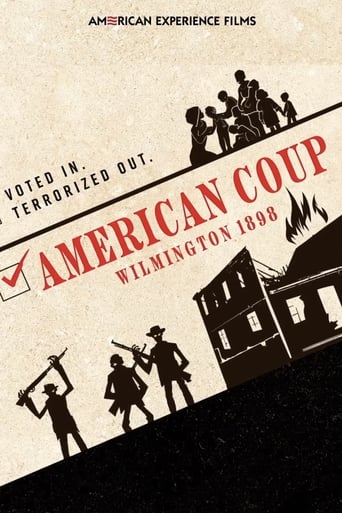
The little-known story of a deadly race massacre and carefully orchestrated insurrection in North Carolina’s largest city in 1898 — the only coup d’état in the history of the US. Stoking fears of 'Negro Rule', self-described white supremacists used intimidation and violence to destroy Black political and economic power and overthrow Wilmington’s democratically-elected, multi-racial government. Black residents were murdered and thousands were banished. The story of what happened in Wilmington was suppressed for decades until descendants and scholars began to investigate. Today, many of those descendants — Black and white — seek the truth about this intentionally buried history.
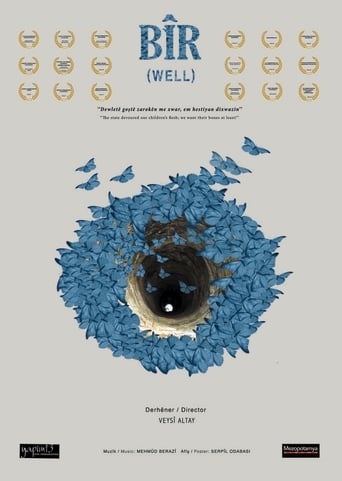
In the 1990s many people in Kurdistan were taken into custody and interrogated under torture; their killers disposed of the bodies by throwing them out of helicopters, or burying them in acid-filled wells. Thousands were murdered/disappeared by paramilitary forces—such as Jitem and Hizbul-Kontra—that were financed and supported by the state, though they have always stuck to the line: “We didn’t do it.” The documentary looks at the case of seven people, including four children, who were disappeared from the town of Kerboran [Dargeçit] in 1995, and tells the story of their families’ tireless search for their bones