

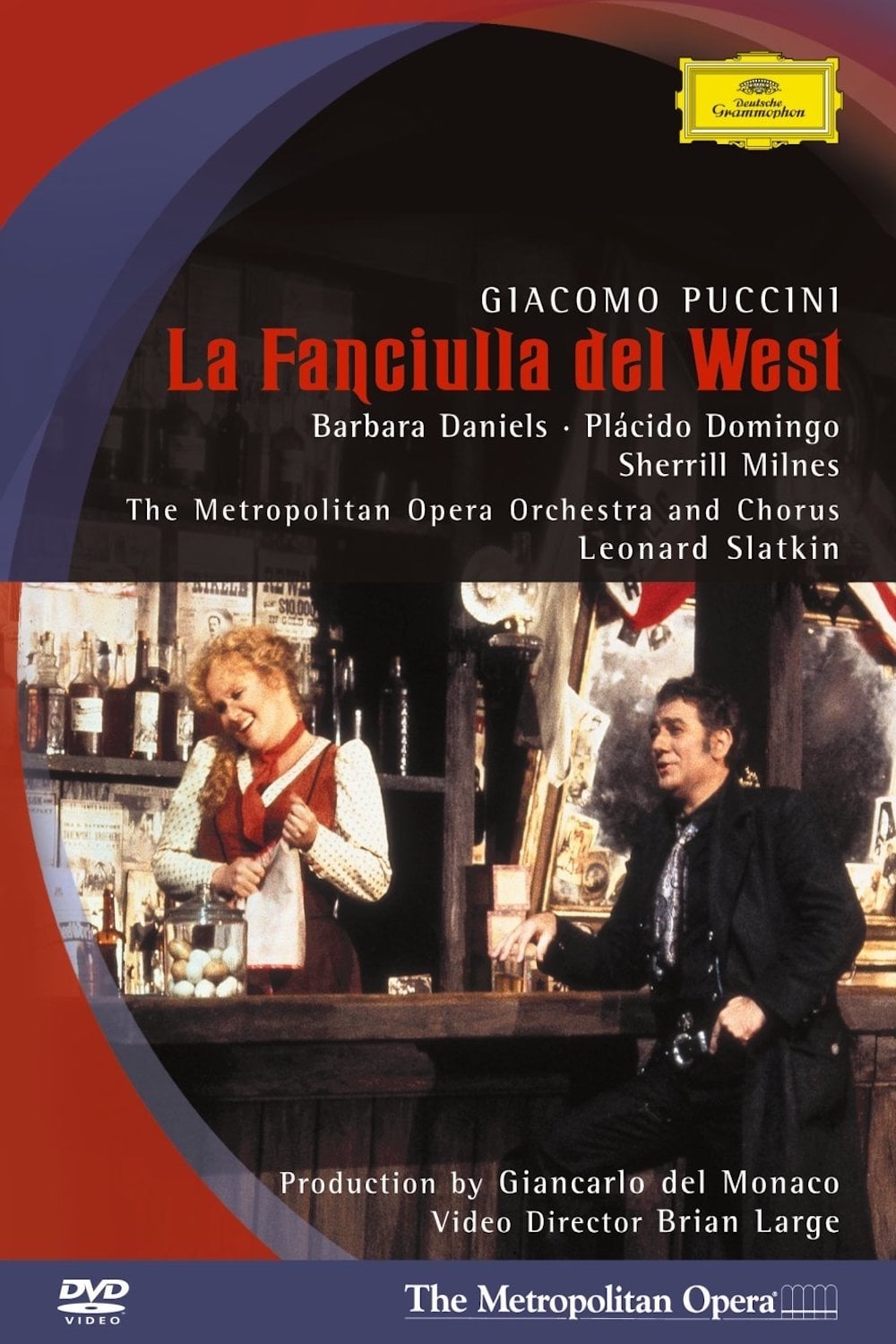
La Fanciulla del West
Overview
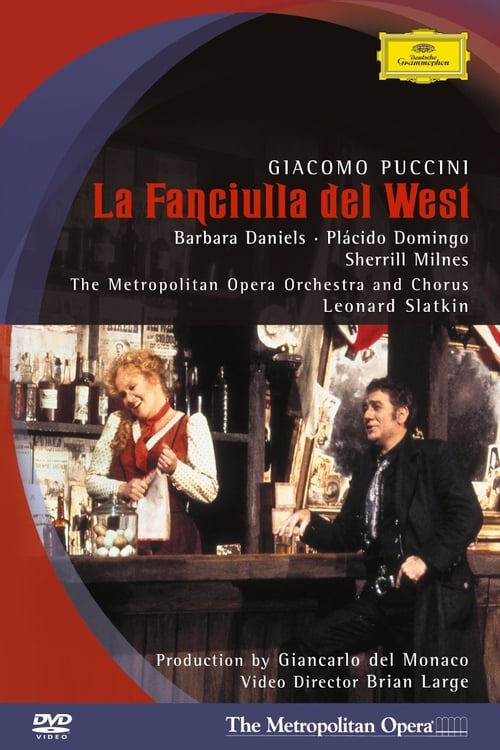
Giancarlo Del Monaco’s atmospheric production brings to colorful life a 19th-century mining camp during the California Gold Rush. At the center of the action is the good-hearted bar owner Minnie, sung by Barbara Daniels, who takes a motherly interest in the miners. Plácido Domingo is Dick Johnson, also known as the bandit Ramerrez, who falls in love with Minnie. Sherrill Milnes sings Jack Rance, the sheriff who is not only determined to capture Ramerrez but also wants Minnie for himself. Bloodshed, a crooked poker game, a snowstorm, and a near lynching ensue before Minnie and her bandit-turned-lover can ride off to start a new life. Leonard Slatkin conducts one of Puccini’s most colorful scores.


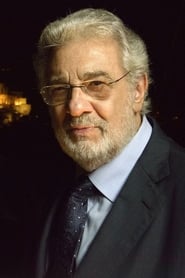
Plácido Domingo
Plácido Domingo
Dick Johnson o Ramerrez
Plácido Domingo
Dick Johnson o Ramerrez
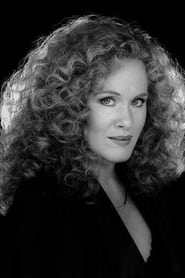
Barbara Daniels
Barbara Daniels
Minnie
Barbara Daniels
Minnie
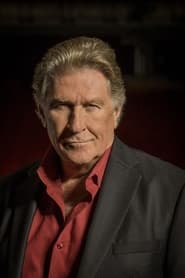
Sherrill Milnes
Sherrill Milnes
Jack Rance
Sherrill Milnes
Jack Rance
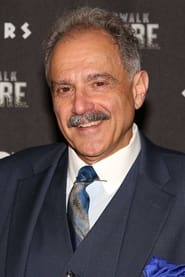
Anthony Laciura
Anthony Laciura
Nick
Anthony Laciura
Nick
Julien Robbins
Julien Robbins
Ashby
Julien Robbins
Ashby
Charles Anthony
Charles Anthony
Trin
Charles Anthony
Trin
Kim Josephson
Kim Josephson
Sonora
Kim Josephson
Sonora
James Courtney
James Courtney
Sid
James Courtney
Sid
Richard Vernon
Richard Vernon
Bello
Richard Vernon
Bello
Dwayne Croft
Dwayne Croft
Larkens
Dwayne Croft
Larkens
Similar Movies
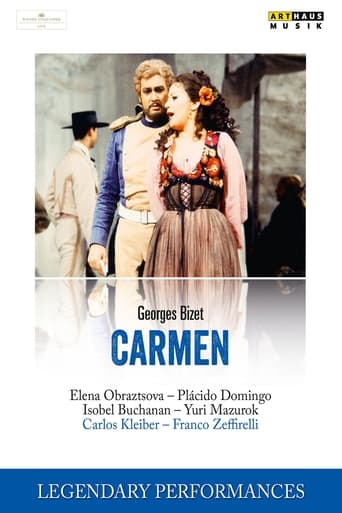
CARMEN is the classic tale of forbidden passion between a young man and a spoken-for woman, Carmen. From ORF and TDK Music, this release features a live performance of Georges Bizet's 19th century operatic masterwork Carmen. Directed by Academy Award-nominated filmmaker Franco Zeffirelli, the production was shot on December 9, 1978, at the Wiener Straatsoper. Starring Elena Obraztsova in the titular role, the orchestra is conducted by Carlos Kleiber.
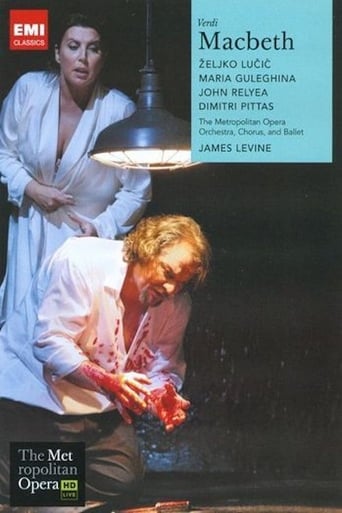
Verdi’s admiration for Shakespeare led to such masterpieces as Othello and Falstaff, and if the earlier Macbeth isn’t on their exalted level it’s still a powerfully dramatic opera that hews closely to the original’s story line. The MET’s production retains the dark aura of the opera while updating it to a vaguely post-modern context. So the witches are bag ladies in various stages of decrepitude, with children in tow. The Banquet Scene features lowered chandeliers, a plethora of chairs, and a slew of extras dressed in tuxedos and party gowns. Macbeth sports a leather coat, the soldiers are in drab brown uniforms and seem to have fingers on their triggers even when they’re supposed to be in non-threatening situations. Director Adrian Noble also has Lady Macbeth do an inordinate amount of writhing around and singing from a lying-down position, adding to the feeling that a less interventionist directorial hand might have generated more impact.
Can the darkest moments of life also lift our souls? Drawing on his own experience in a Siberian prison in the company of misfits, murderers and theives, Dostoevsky was inspired to write his novel Notes from a Dead House, telling his brother at the time: ‘Believe me, there were among them deep, strong, beautiful natures, and it often gave me great joy to find gold under a rough exterior.’ In Janáček’s hands, Dostoevsky’s inspiration and the raw material drawn from an appalling world of incarceration find an even more powerful form of expression in his last opera, From the House of the Dead. Unfettered by conventional story-telling, Janáček wrote his own libretto, freely weaving together a series of stories of everyday prison life and of the fates of individual convicts.
Archeologist and avid puzzle solver Professor Layton and his assistant Luke are caught up in an adventure when a masked figure steals an entire opera house and forces those in attendance to play a high-stakes game. The winner will receive eternal life, but it could mean death for the losers.
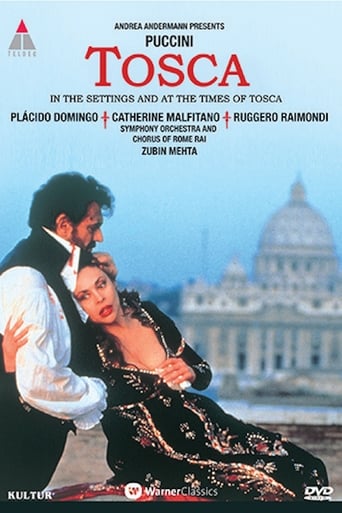
This live version of Puccini s superbly dramatic opera was recorded in Rome in the exact locations and at the precise times of day as Puccini had written into his score. The action opens in Rome's beautiful 16th-century church of Sant Andrea della Valle, where Cavaradossi (Plácido Domingo) is innocently painting, moves to the Farnese Palace where Tosca (Catherine Malfitano) dramatically stabs the lustful Scarpia (Ruggero Raimondi), and finally to the battlements of the Castle Sant Angelo at dawn the following day where Cavaradossi is cruelly killed, and Tosca takes her own life.

Imagine a window into the past. Imagine finally connecting singers' bodies to the voices you have always treasured on record, watching footage of performances from another era. All of singers featured here have something in common (with one exception, Sutherland): they sang and performed on stage before the advent of filmed opera. . And it shows, for the first time, a few tantalizing minutes of recently recovered footage from Callas' legendary Lisbon Traviata, featuring Addio dal Passato and Parigi oh cara with Alfredo Kraus. This DVD will leave you asking for more.
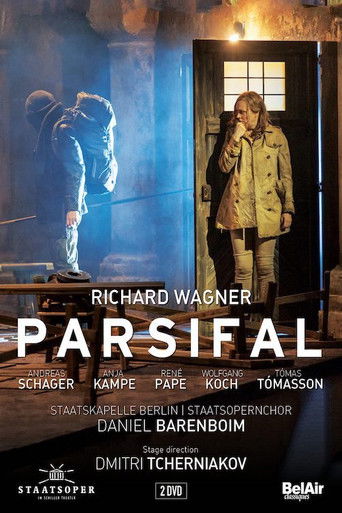
Wagner’s mystic masterpiece Parsifal at the Staatsoper Berlin, staged by Dmitri Tcherniakov and conducted by Daniel Barenboim. Wagner’s last opera, Parsifal is a medieval epic story marked by Christian, Buddhist and esoteric references. It is about redemption and renewal, but this new production by Russian director Dmitri Tcherniakov adds a jarring note : revenge. This “Festival Play for the Consecration of the Stage” is similar to a Medieval epic, a blend of metaphysical dreams and esoteric battles with constant spiritual references. This new production is directed by Dmitri Tcherniakov, conducted by Daniel Barenboim and sung by an international cast of excellent singers: Andreas Schager, Anja Kampe, Wolfgang Koch, René Pape, Tomas Tómasson and Matthias Hölle.
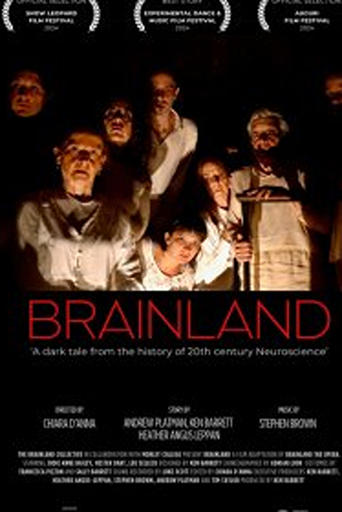
In 1935, renowned Portuguese neurologist Egas Moniz visits psychiatrist Sobral Cid, trying to convince him to use his patients as subjects for an experimental treatment: frontal leukotomy. The film is a film adaptation of a scene from the play Brainland, which explores three key episodes in the history of 20th-century neuroscience. Each episode addresses dilemmas related to clinical ethics.
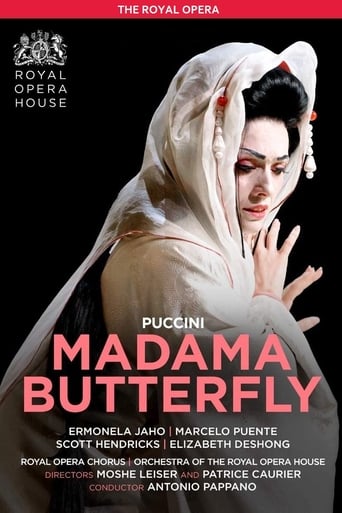
Cio-Cio-San, the young Japanese bride of dashing American officer Lieutenant Pinkerton, finds her romantic idyll shattered when he deserts her shortly after their marriage. She lives in hope that one day he will return. Three years later, Cio-Cio-San and her little son see Pinkerton’s ship in the harbour. She excitedly expects his visit – but Pinkerton and his American wife Kate have come only to take the boy away, to raise him in America. Cio-Cio-San bids her son farewell and then takes her own life.