

Rossini: Il Barbiere di Siviglia
Comedy
Overview
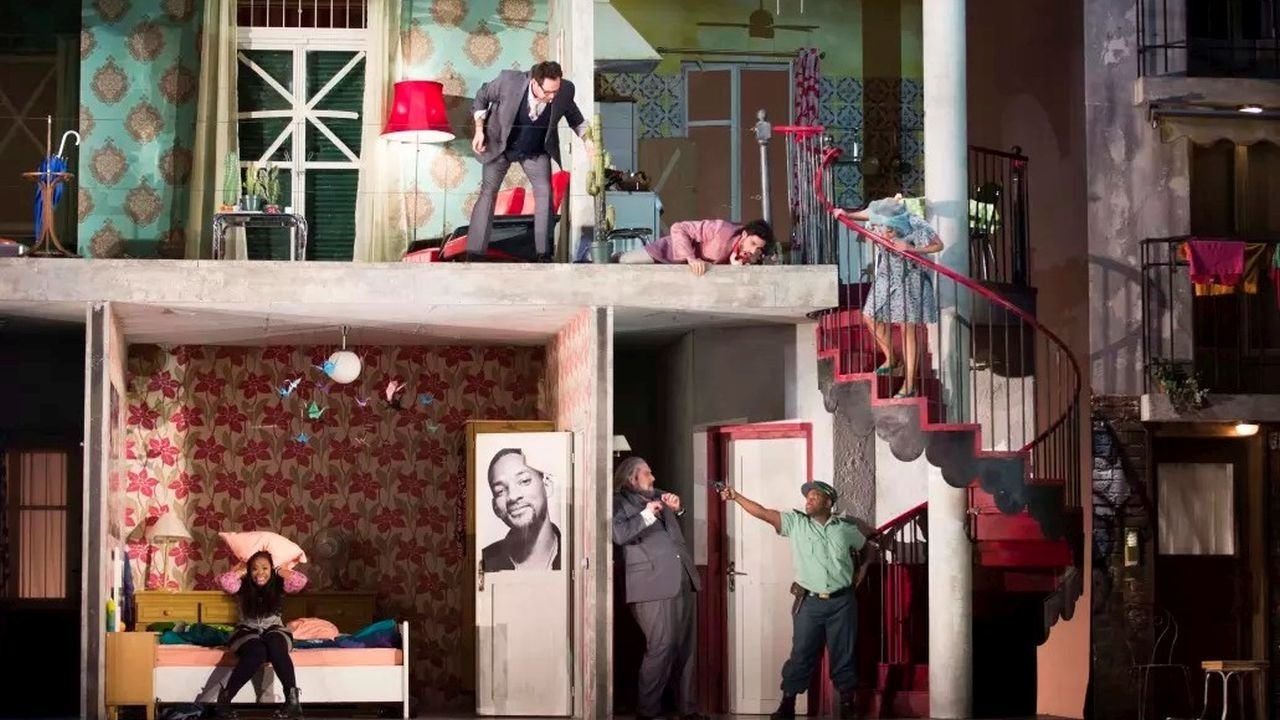
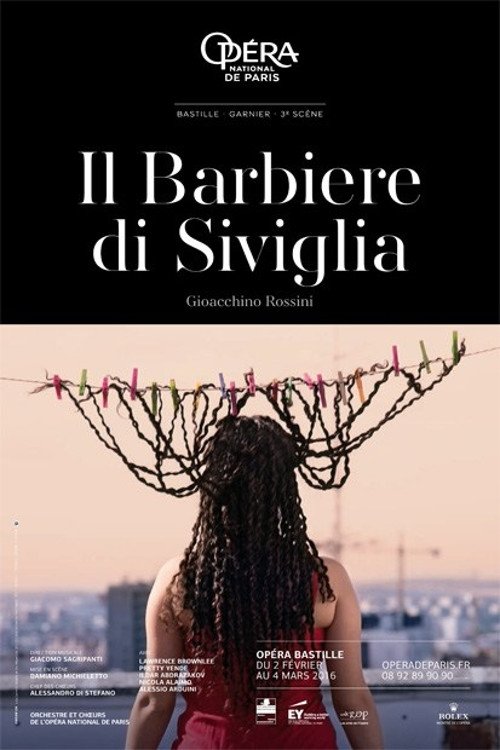
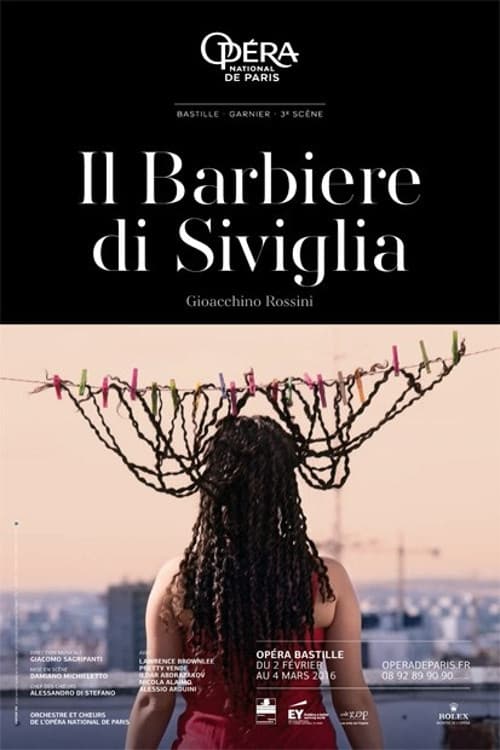
The composer's opera buffa transcends the spirit of Beaumarchais’ comedy and combines the absurd with a touch of satirical realism in a score where rhythm and virtuosity place the comic effects in an ongoing dramatic narration. As a result, the characters – Rosina in particular – gain a new degree of realism and break with the usual archetypes. Damiano Michieletto’s giddying production embraces this perpetual motion and carries in its wake the happy couple formed by Lawrence Brownlee and Pretty Yende.
Lawrence Brownlee
Lawrence Brownlee
Il Conte Almaviva
Lawrence Brownlee
Il Conte Almaviva
Nicola Alaimo
Nicola Alaimo
Bartolo
Nicola Alaimo
Bartolo

Pretty Yende
Pretty Yende
Rosina
Pretty Yende
Rosina
Alessio Arduini
Alessio Arduini
Figaro
Alessio Arduini
Figaro
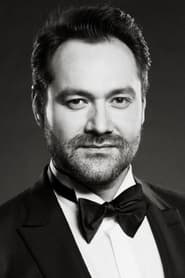
Ildar Abdrazakov
Ildar Abdrazakov
Basilio
Ildar Abdrazakov
Basilio
Pietro Di Bianco
Pietro Di Bianco
Fiorello
Pietro Di Bianco
Fiorello
Giacomo Sagripanti
Giacomo Sagripanti
Conductor
Giacomo Sagripanti
Conductor
Similar Movies
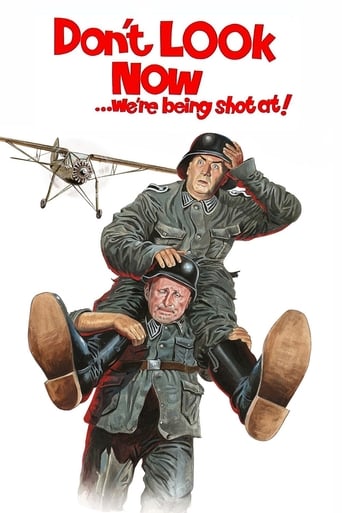
During World War II, two French civilians and a downed British Bomber Crew set out from Paris to cross the demarcation line between Nazi-occupied Northern France and the South. From there they will be able to escape to England. First, they must avoid German troops – and the consequences of their own blunders.
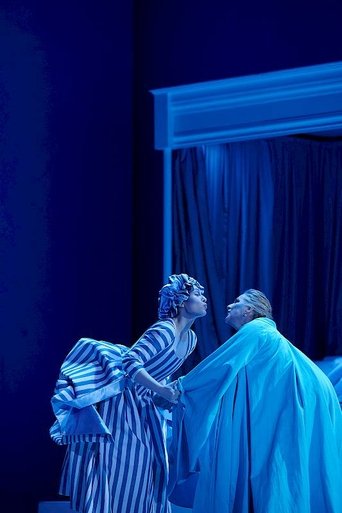
When Strauss and Hofmannsthal wrote «Der Rosenkavalier» – setting it in an imaginary Rococo Vienna and yet closely linked to the decadent fin de siècle – they created a profound social comedy. It is not without melancholy that the Marschallin lets her young lover Octavian go when he falls head over heels with Sophie, who hails from Faninal’s bourgeois household. As voluptuous as Strauss' score is, it contains tender moments of dream and melancholy. Director Lydia Steier stages Strauss’ opera according to an aesthetic concept by Austrian artist Gottfried Helnwein. Diana Damrau sings the Marschallin. Joana Mallwitz, chief conductor at the Konzerthaus Berlin, conducts the Orchester der Oper Zürich.
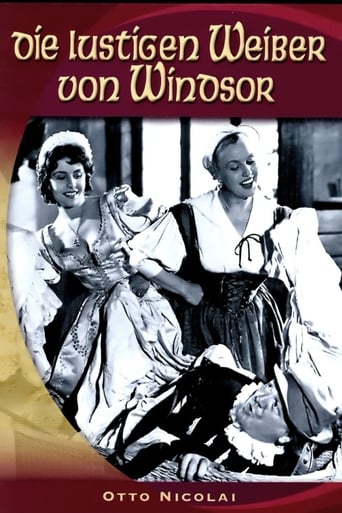
When Sir John Falstaff decides that he wants to have a little fun he writes two letters to a pair of Window wives: Mistress Ford and Mistress Page. When they put their heads together and compare missives, they plan a practical joke or two to teach the knight a lesson. But Mistress Ford's husband is a very jealous man and is pumping Falstaff for information of the affair. Meanwhile the Pages' daughter Anne is besieged by suitors.

"Despite the multitude of characters and situations, the plot is simple: the eternal flow of life. It is based on Les contes fantastiques d’Hoffmann, a play by Jules Barbier and Michel Carré, who were inspired by some of the stories of the German E.T.A. Hoffmann. On a drunken night in the city, Hoffmann tells how he courted and lost three girls, his impossible loves: Olympia, a mechanical doll that only he believes to be truly human; Giulietta, the courtesan who steals his reflection in a mirror; and Antonia, a young woman who sings until she literally dies." Venue & Opera Company: Teatro Regio di Parma Recorded: 1988 Singers: Alredo Kraus, Ruth Welting, Jonathan Omilian, Barbara Hendricks, Elena Zilio, Nicola Gjiuselev, Bruno Buulgarelli, Francis Egerton, Aldo Bottion Orchestra: Orchestra Sinfonica dell'Emilia-Romagna "Arturo Toscanini" Chorus: Coro del Teatro Regio di Parma Chorus Master: Adolfo Tanhzi Stage Director: Beppe de Tomasi
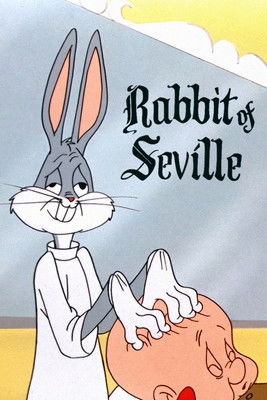
Behind the Hollywood Bowl stage which is playing the opera The Barber of Seville, Bugs Bunny flees into the backstage area with Elmer Fudd in close pursuit. Seeing his opportunity to fight on his terms, Bugs raises the curtain on Elmer, trapping him on stage. As the orchestra begins playing, Bugs comes into play as the barber who is going to make sure that Elmer is going to get a grooming he will never forget.