

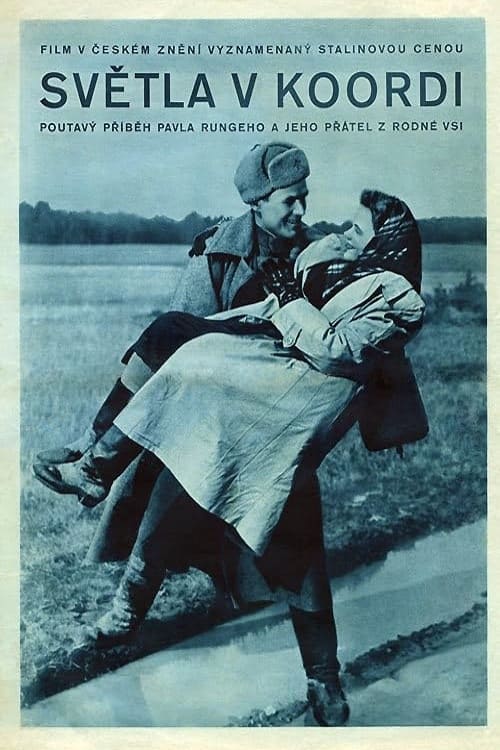
Light Over Koordi
Drama
Overview
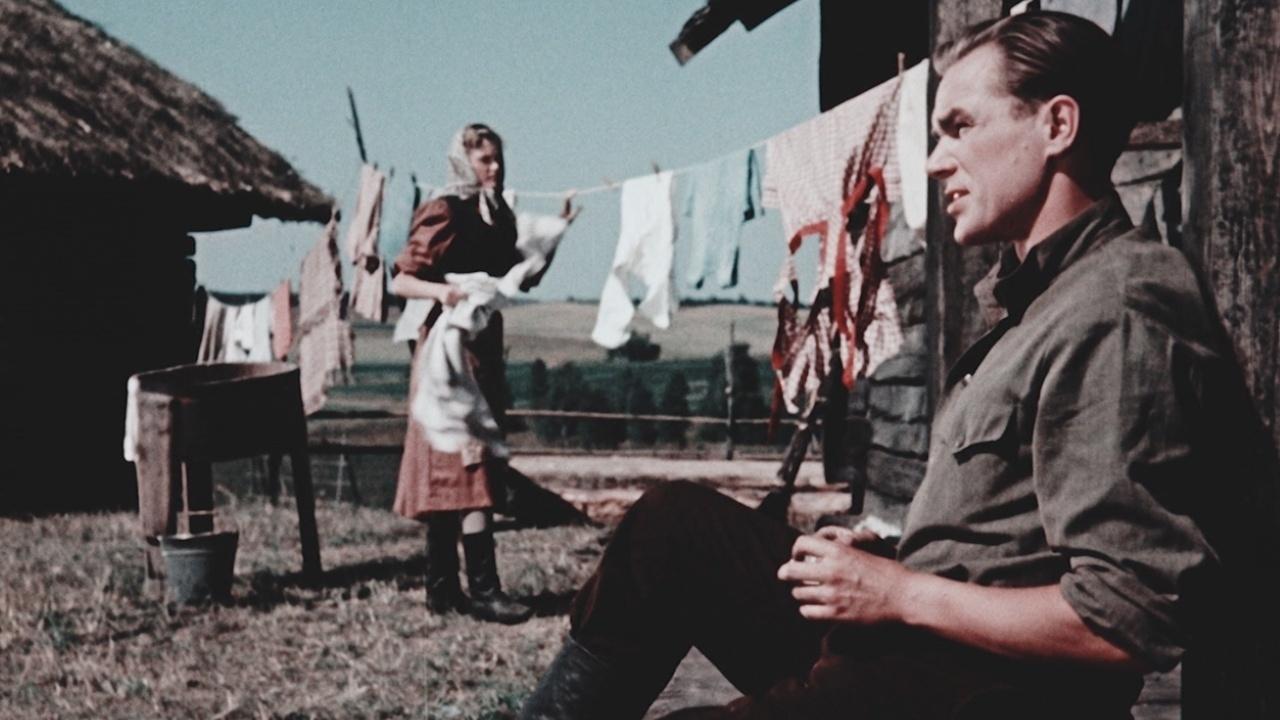
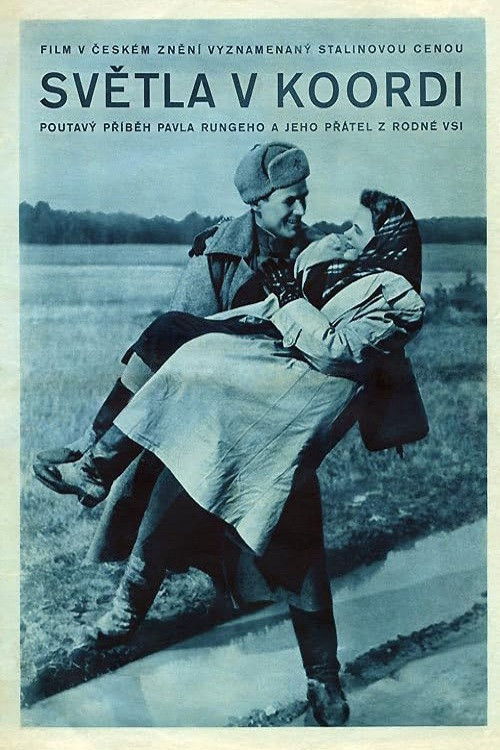
When Paul Runge, a soldier of the Red Army, returns home to Koordi after the war, he sees that, despite the new regime, life in Koordi hasn't changed. It's still a abandoned, uncultured Estonian village, where rich landlords still oppress the population. Runge starts talking about founding a kolkhoze.



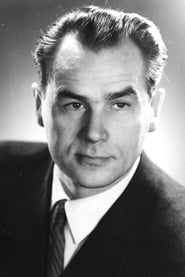
Georg Ots
Georg Ots
Runge
Georg Ots
Runge
Aleksander Randviir
Aleksander Randviir
Vao
Aleksander Randviir
Vao
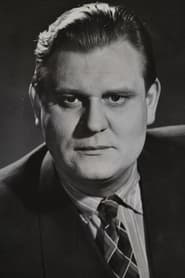
Ilmar Tammur
Ilmar Tammur
Muuli
Ilmar Tammur
Muuli
Valentine Tern
Valentine Tern
Aino
Valentine Tern
Aino
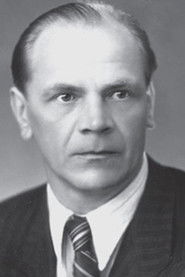
Rudolf Nuude
Rudolf Nuude
Maasalu
Rudolf Nuude
Maasalu
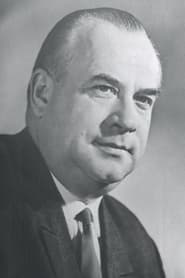
Olev Tinn
Olev Tinn
Taaksalu
Olev Tinn
Taaksalu
Elmar Kivilo
Elmar Kivilo
Semidor
Elmar Kivilo
Semidor
Evi Rauer
Evi Rauer
Roosi
Evi Rauer
Roosi
Hugo Laur
Hugo Laur
Saamu
Hugo Laur
Saamu
Franz Malmsten
Franz Malmsten
Janson
Franz Malmsten
Janson
Similar Movies
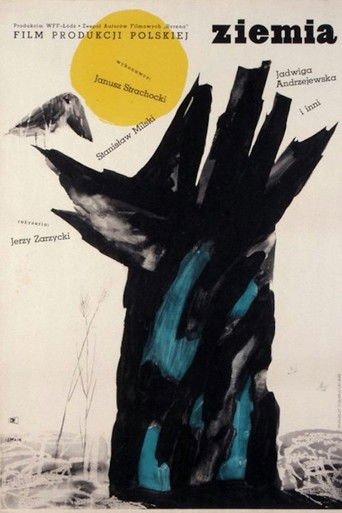
Poland in the 50s, 20th century The process of collectivization of agriculture is under way. The wealthy Slumdog farmer is one of the last individual farmers who have not joined the cooperative and are trying to grow their own land. But it is very difficult - the unemployed mercenaries who paid for them run to cooperatives (where they have better conditions), the environment or the local authorities do not accept him as a kulak. Struggling with the problem of how to make a 40-hectare farm last, he remains alone in the face of a loss of land that he cannot cultivate.
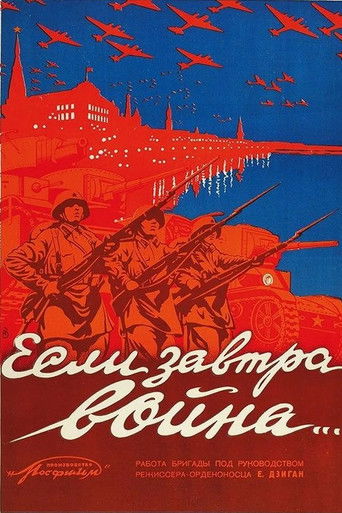
The propaganda documentary about the readiness of the Red Army to repulse any enemy is based on documentary shots taken during the real maneuvers of the Red Army. Armadas of tanks, immense columns of infantry, dozens of fighters and bombers, thousands of cavalry, legendary divisions of the Civil War. The film glorifies Soviet military power and shows the Soviet people what the war will be like when the imperialists attack the USSR — quick, victorious, almost bloodless.
A drama from the period of village collectivisation in 1947-1948, it depicts the life of former beggars who, after the war and land reform, acquire land and dream of becoming wealthy landlords. New social conditions, the onset of collectivisation, but also the great drought bring with them unwelcome changes.
In a South Bohemian village in 1951, the local rich organize acts of sabotage and try to stop the establishment of an agricultural cooperative with threatening letters and arson. A kulak's son even secretly returns from the West to terrorize the village with his brother. However, the ordinary villagers stand up to them.
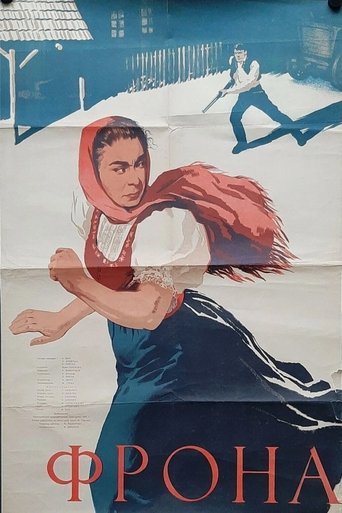
Frona Filípková, out of a desire for a better life, married Floriš Zobač on the land. However, the ownership of the land has affected both her husband and her father-in-law, who, out of hatred, intrigue against the emerging agricultural cooperative and against each other, so Frona looks for a way to free herself.

Between 1944–1953, courageous resistance movement took place in the Baltic region of Europe, uniting the partisan troops for struggle against the Soviet Union. “The Invisible Front” was a coded name used by the Soviet Interior forces to describe the resistance movement in Lithuania. Film depicts the story of the fighters through the words and experience of the partisan leader, Juozas Luksa, and interviews with eyewitnesses of those events - both the partisans and the Soviet fighters. Tales of horror, torture and courage are told in the rare archival footage that has never been screened before, and interviews with the surviving members of the resistance movement.
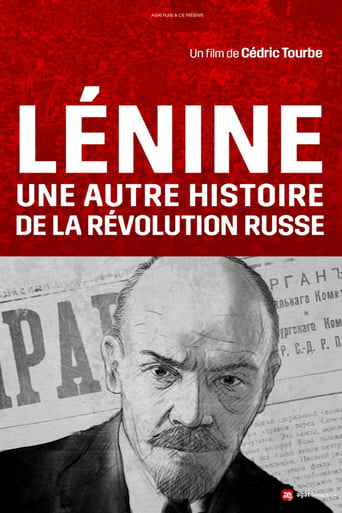
Vladimir Ilyich Ulyanov, better known as Lenin, is remembered as the instigator of the October Revolution of 1917 and, therefore, as one of the men who changed the shape of the world at that time and forever, but perhaps the actual events happened in a way different from that narrated in the history books…