

The Metropolitan Opera: Samson et Dalila
Music · Drama
Overview
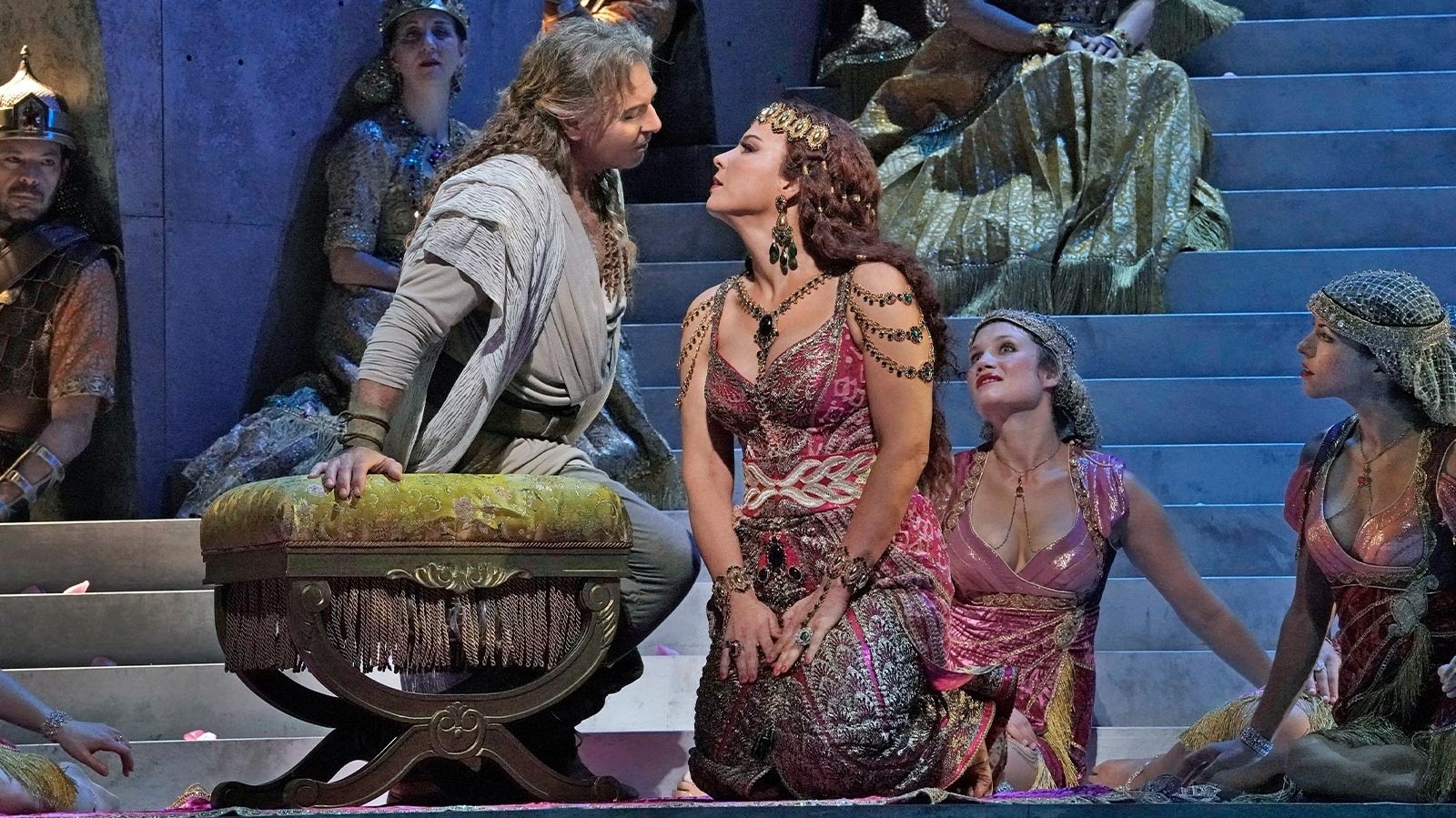
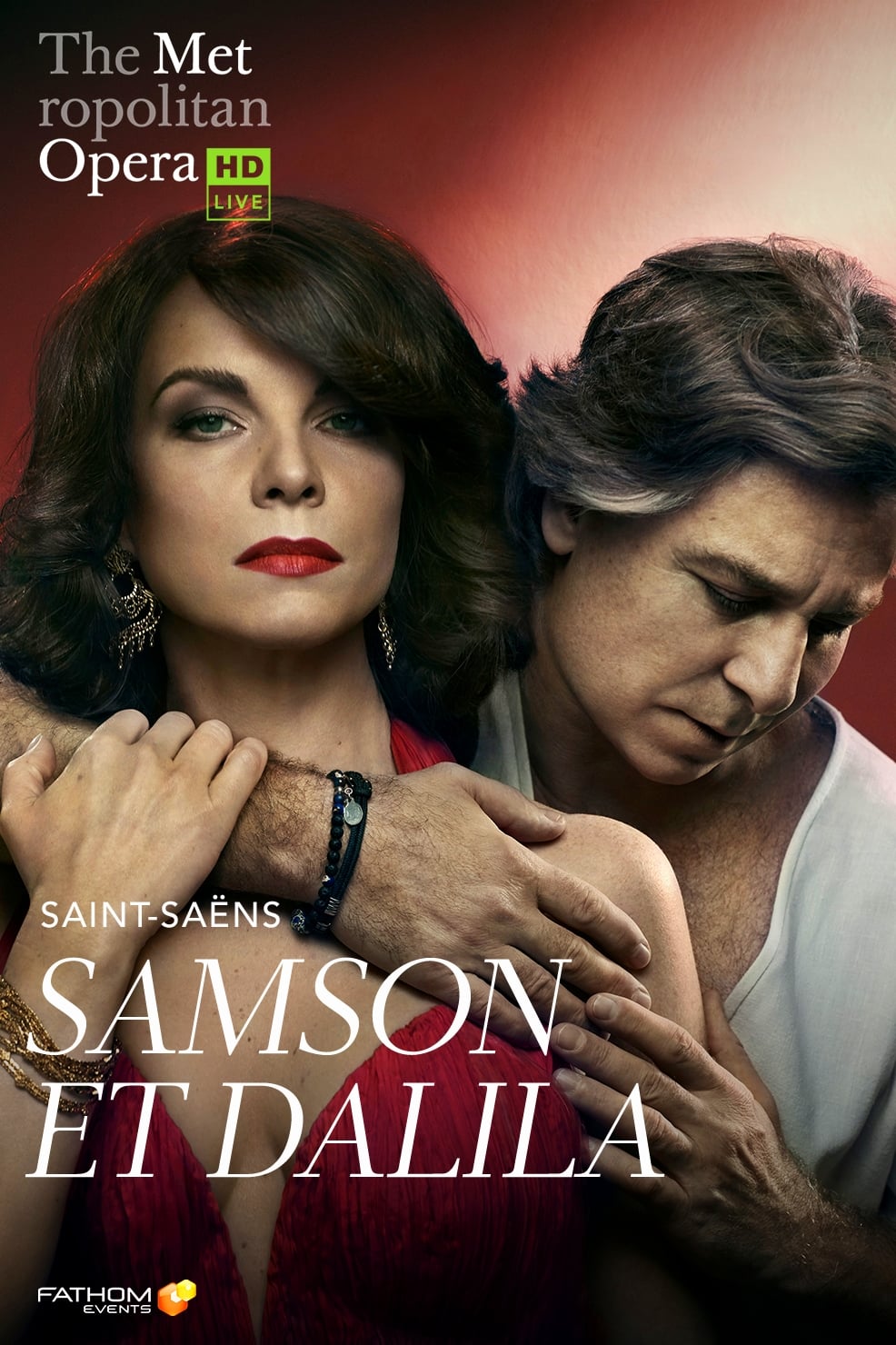
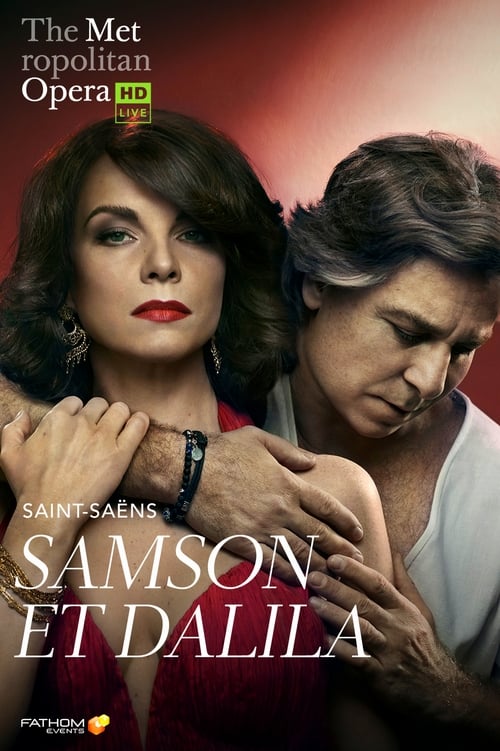
A towering biblical epic, Saint-Saëns’s operatic take on the story of Samson and Delilah has many of the hallmarks of grand opera—show-stopping vocal displays, thrilling choruses, and an engrossing plot set against a sweeping, pseudo-historical backdrop. It’s fitting, then, that Samson et Dalila has been chosen to celebrate the opening of the Met’s season four times in the company’s history, including when Darko Tresnjak’s bold new production premiered on the first night of the 2018–19 season. A few weeks later, the opera was shown as part of the Met’s series of live cinema transmissions, featuring an exceptional cast. Tenor Roberto Alagna was the heroic Samson, who ultimately falls victim to the seductive power of Dalila—the captivating mezzo-soprano Elīna Garanča. Bass-baritone Laurent Naouri sang the sinister High Priest of Dagon, with conductor Sir Mark Elder on the podium.
Top Cast

Roberto Alagna
Roberto Alagna
Samson
Roberto Alagna
Samson
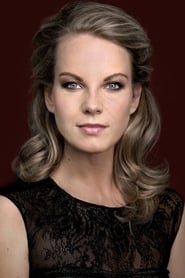
Elīna Garanča
Elīna Garanča
Dalila
Elīna Garanča
Dalila
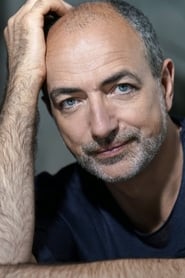
Laurent Naouri
Laurent Naouri
The High Priest of Dagon
Laurent Naouri
The High Priest of Dagon
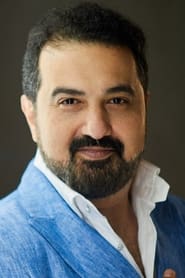
Elchin Azizov
Elchin Azizov
Abimélech
Elchin Azizov
Abimélech
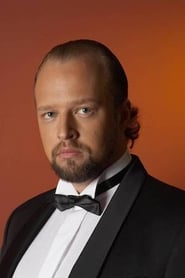
Dmitry Belosselskiy
Dmitry Belosselskiy
The Old Hebrew
Dmitry Belosselskiy
The Old Hebrew
Tony Stevenson
Tony Stevenson
First Philistine
Tony Stevenson
First Philistine
Bradley Garvin
Bradley Garvin
Second Philistine
Bradley Garvin
Second Philistine
Mark Schowalter
Mark Schowalter
A Philistine Messenger
Mark Schowalter
A Philistine Messenger
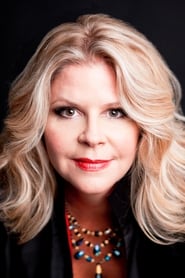
Susan Graham
Susan Graham
Self - Host
Susan Graham
Self - Host

Mark Elder
Mark Elder
Self - Conductor
Mark Elder
Self - Conductor
Similar Movies
The gorgeous and evocative Otto Schenk/Günther Schneider-Siemssen production continues with this second opera in Wagner’s Ring cycle. Hildegard Behrens brings deep empathy to Brünnhilde, the favorite daughter of the god Wotan (James Morris) who nevertheless defies him. Morris’s portrayal of Wotan is deservedly legendary, as is Christa Ludwig, as Fricka. Jessye Norman and Gary Lakes are Sieglinde and Siegmund, and Kurt Moll is the threatening Hunding. James Levine and the Met orchestra provide astonishing color and drama. (Performed April 8, 1989)
France, 1792. Chenier is an idealistic poet, in love with the aristocratic Maddalena. While Chenier supports such notions as "liberte, fraternite egalite," his sympathies do not extend to the current Reign of Terror. Likewise, the Revolutionary Tribunal has no need for poets or their girlfriends, especially those judged to be an Enemy of the State. Heads will roll.
Simon Keenlyside smolders dangerously in the title role of Mozart’s version of the legend of Don Juan, creating a vivid portrait of a man who is a law unto himself, and all the more dangerous for his eternally seductive allure. Adam Plachetka is his occasionally unruly servant Leporello. It’s when Giovanni tangles with Donna Anna (Hibla Gerzmava) that things start to unravel, aided by the reappearance of Donna Elvira (Malin Byström), who is determined not to let her seducer go. With Paul Appleby as Don Ottavio, Donna Anna’s eternally steadfast fiancé. Principal Conductor Fabio Luisi leads the Met Orchestra and Chorus.
The Zurich Opera gathered a superb cast for this production: Italian soprano Eva Mei sings the Countess Violante, known as Sandrina, the feigned gardener of the title. Spanish soprano Isabel Rey is her opponent Arminda, and Arminda's former lover, the melancholy Cavaliere Ramiro, is sung by Romanian mezzo Liliana Nikiteanu. Moretti's staging presents the action in a modern villa in a hierarchical world of the rich and famous.
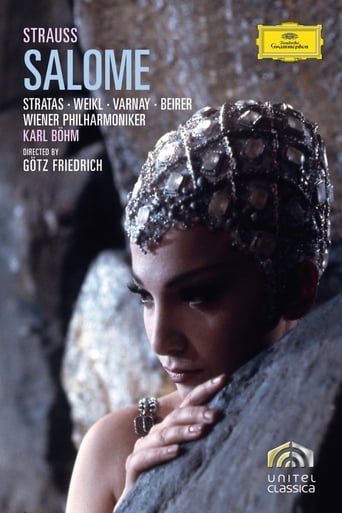
This filmed version of Strauss' shocker features Teresa Stratas as opera's most depraved teenager, and she's as perfect a Salome as one would ever hope to see or hear. Stratas inhabits the role, exploring the character's sensuousness as she vainly woos Jochanaan, her venomous hatred when she's rejected, the crazed look in her eyes when she demands his head--on a silver platter, no less. Such complete identification with a role, especially of a character so malignant helps make this 1974 Salome stand out among the many fine DVDs of the opera.
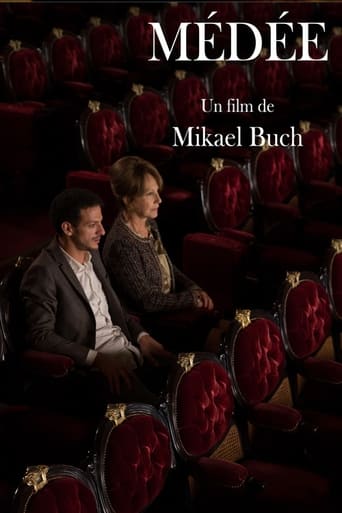
A lonely mother and her son go to the opera where a performance of Cherubini’s opera Medea is given. It is the mother’s birthday and she wanted to surprise her son by inviting him to the opera. But, the son’s plan were different and he is quite upset about it. His mother tries to break the silent barrier behind which he hides. A semblance of discussion begins, not without humour. Tension is present but, as the performance goes on, both find themselves astounded, captured, alone in the opera house.