

Growing Up Wild - Fuzzy Wuzzy Bears
Documentary
Overview
With a delightful mix of rare wildlife footage, music and rhyme, GROWING UP WILD gives kids a fun new way to learn about the animal kingdom. You'll get all this!
Top Cast

Paul W. Smith
Paul W. Smith
Narrator
Paul W. Smith
Narrator
Similar Movies
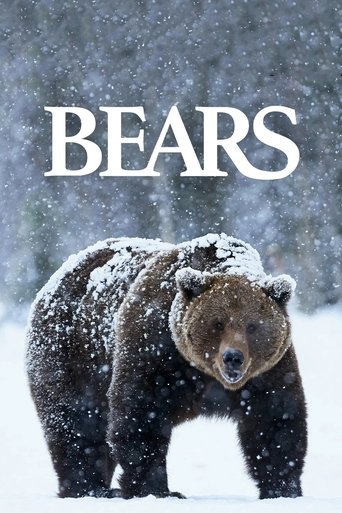
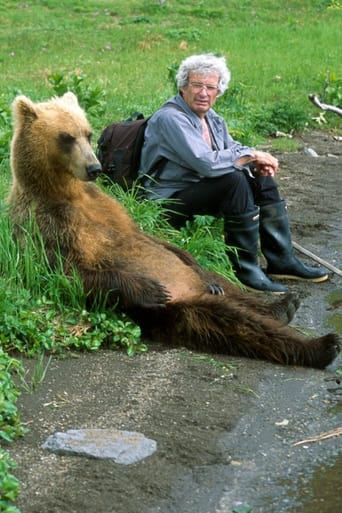
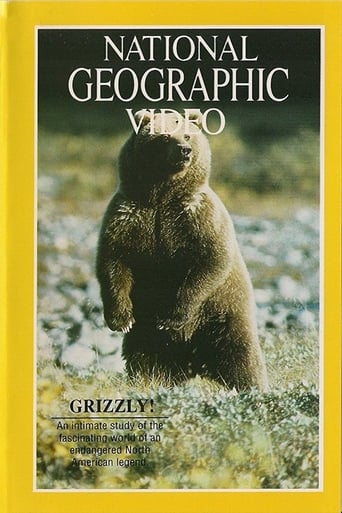
From polar bears in the arctic tundra to black bears in the Northern Rockies, you'll see some of the most spectacular footage ever shot of these enterprising omnivores. Catch salmon with a group of hungry grizzlies on the McNeil River in Alaska. Crawl inside a den with a mother black bear and her cubs. Learn about the challenges facing each of these species as their habitat diminishes.
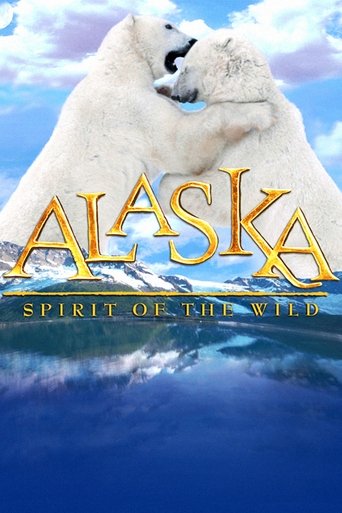
Alaska... Here, in this vast and spectacularly beautiful land teeming with abundant wildlife, discover the "Spirit of the Wild." Experience it in the explosive calving of glaciers, the celestial fires of the Aurora Borealis. Witness it in the thundering stampede of caribou, the beauty of the polar bear and the stealthful, deadly hunt of the wolf pack.
Even in a spot as remote and wild as Alaska's Kodiak Island, the struggle between man and nature continues. Wildlife filmmaker Wolfgang Bayer presents this tug-of-war from both the human and bear perspective. Taking viewers inside a Kodiak bear's den and providing an inside glimpse of the great carnivore's daily life, Bayer reveals the bears' fight for survival in the face of a shrinking habitat and often tragic encounters with humans.
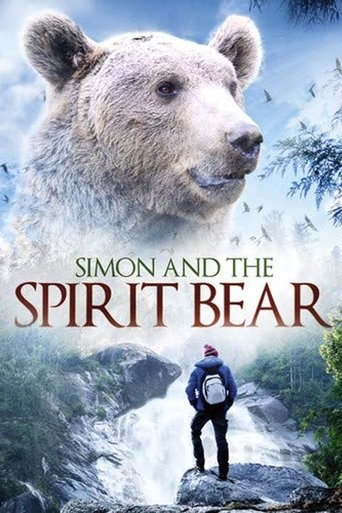
While most teens spend their days in a self-absorbed haze, Simon Jackson was out in the world connecting with anyone who could help him save the spirit bear. For this, Simon became one of Time's Heroes of the Planet. It's a remarkable accomplishment for one so young, and an inspiring story for lovers of wilderness of all ages. But his devotion to the cause made him an outcast amongst his peers.
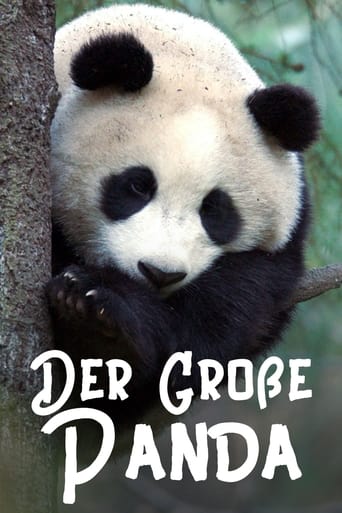
Since 2003, nine giant pandas from China's Wolong Nature Reserve have been reintroduced into the bamboo forest of the Qinling Mountains. Born in the breeding and research station of the reserve, they did not have close contact with humans before their relocation to the natural environment. For three years, a team of scientists followed one of them, from its birth to the discovery of its new environment.