



Documentary · History
Overview
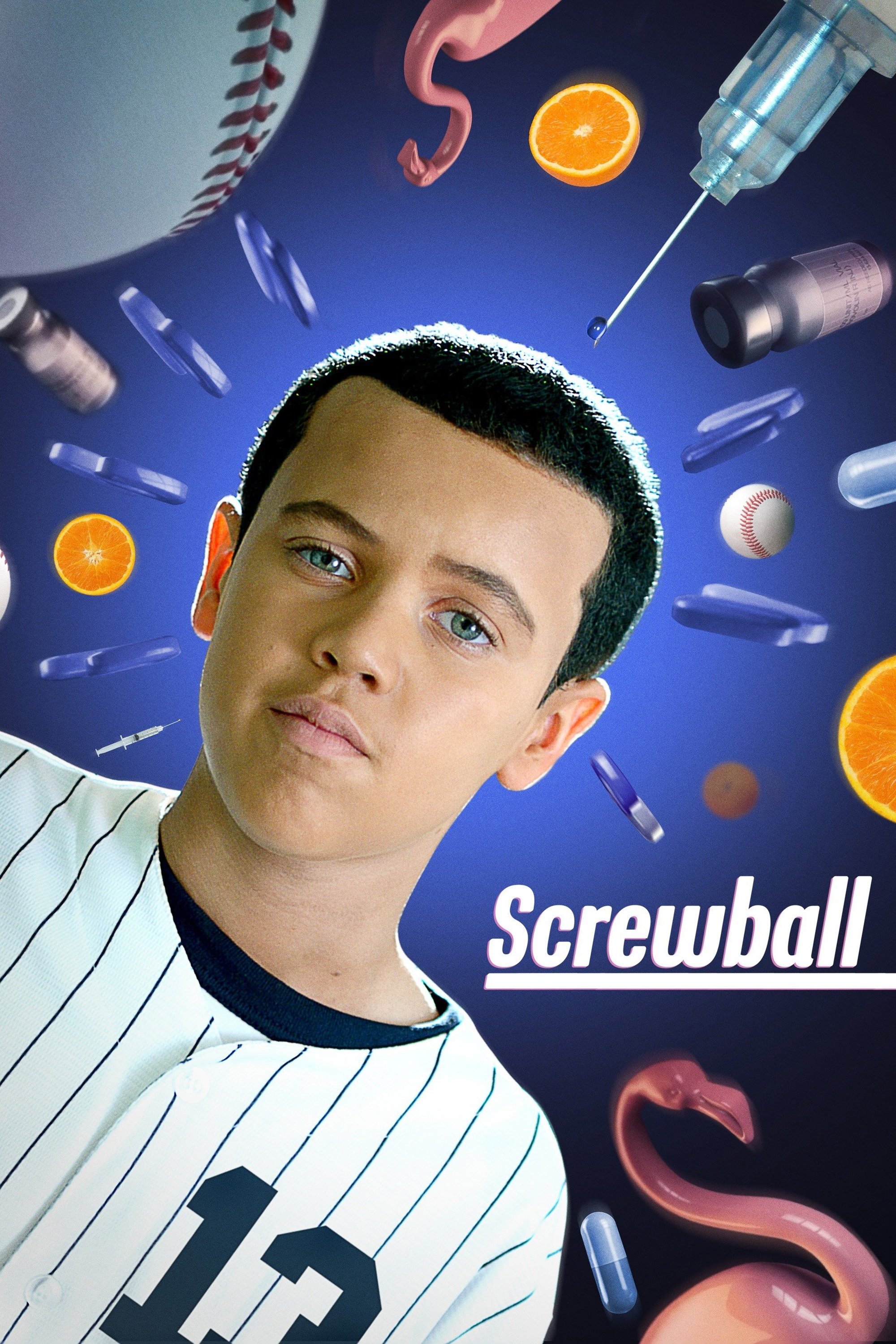
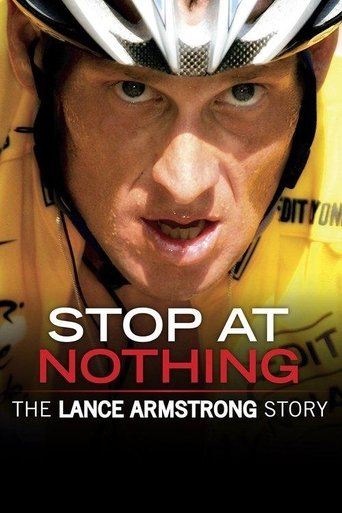
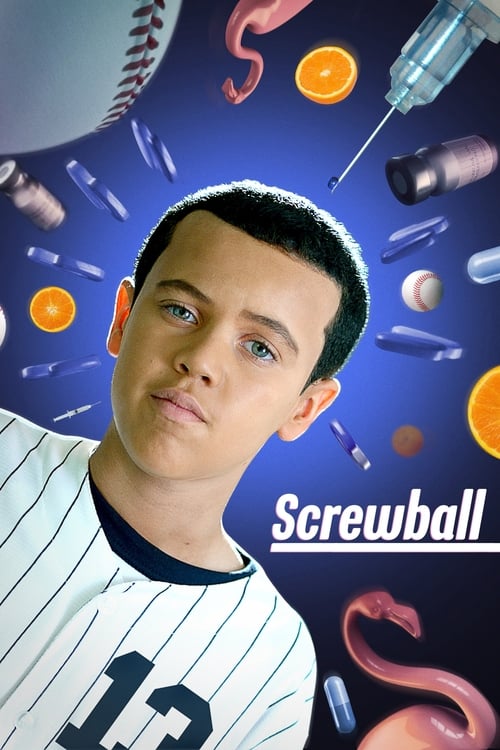
Investigates the MLB's infamous doping scandal involving a nefarious clinician and his most famous client: the New York Yankees' Alex Rodriguez.
Top Cast

Bryan Blanco
Tony Bosch

Frankie Diaz
Porter Fischer

Jonathan Blanco
Pete Carbone

Jake Alexander Martin
Gary Jones

Ian Mackles
Tim Elfrink
Blake McCall
Alex Rodriguez
Jake Stephens
Ricky Rodriguez
Samuel Kai Taylor
Jerome Hill

Nicholas Ryan Hernandez
Anthony Carbone
Armando Bernal IV
Jorge 'Ugi' Velazquez
Davion Figaro
Manny Ramirez
Jason Brockmann
Dan Mullin


Bryan Blanco
Bryan Blanco
Tony Bosch
Bryan Blanco
Tony Bosch
Frankie Diaz
Frankie Diaz
Porter Fischer
Frankie Diaz
Porter Fischer
Jonathan Blanco
Jonathan Blanco
Pete Carbone
Jonathan Blanco
Pete Carbone
Jake Alexander Martin
Jake Alexander Martin
Gary Jones
Jake Alexander Martin
Gary Jones
Ian Mackles
Ian Mackles
Tim Elfrink
Ian Mackles
Tim Elfrink
Blake McCall
Blake McCall
Alex Rodriguez
Blake McCall
Alex Rodriguez
Jake Stephens
Jake Stephens
Ricky Rodriguez
Jake Stephens
Ricky Rodriguez
Samuel Kai Taylor
Samuel Kai Taylor
Jerome Hill
Samuel Kai Taylor
Jerome Hill
Nicholas Ryan Hernandez
Nicholas Ryan Hernandez
Anthony Carbone
Nicholas Ryan Hernandez
Anthony Carbone
Armando Bernal IV
Armando Bernal IV
Jorge 'Ugi' Velazquez
Armando Bernal IV
Jorge 'Ugi' Velazquez
Similar Movies
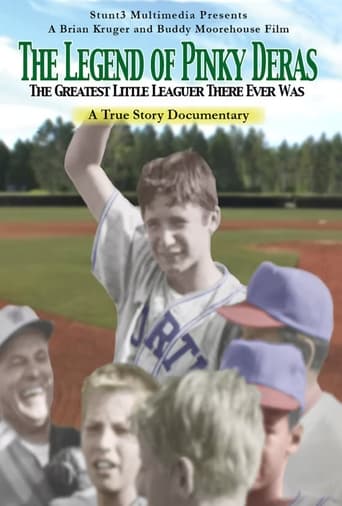
Since Little League Baseball was founded in 1939, about 40 million kids have played the sport. The list includes future Hall of Famers like Carl Yastrzemski, Tom Seaver and Nolan Ryan, and hundreds of other future Major Leaguers. But of all the kids who ever played Little League, the best of the best was a boy you’ve probably never heard of: Art “Pinky” Deras. In the summer of 1959, he led the team from Hamtramck, Mich., to the Little League World Series title, and in the process, he put together a Little League season the likes of which we might never see again. His amazing story comes to life in “The Legend of Pinky Deras: The Greatest Little-Leaguer There Ever Was,” a new film from Blue Hammer Films. Pinky received a ton of national publicity back in 1959, but then he fell off the map. In the half-century since he lit the Little League world on fire, there have been no films about him, no magazine stories, not even a single newspaper article.
The Toronto Blue Jays — the defending champions — sleek, corporate, efficient — featuring an offensive arsenal that hit a collective 0.311 in the six-game series. The Philadelphia Phillies — a last-to-first success story — with their long hair, beards, and blue-collar work ethic — a softball team in pinstripes. This was a World Series that won't soon be forgotten. A six-game slugfest that sent pitchers scurrying to the showers. The heroes were named Dykstra, Molitor, Schilling and Alomar. The games were unforgettable. The sheer drama of Game Four — with its runs, hits, and duration — all records. The surgical precision of Curt Schilling's shutout in Game Five. And Joe Carter's incredible three-run blast to win Game Six — just the second time in history a home run has ended a World Series.
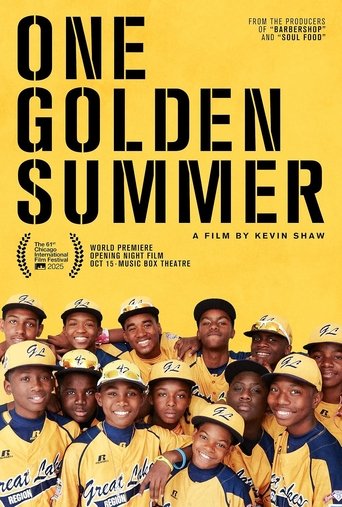
In 2014, Chicago’s Jackie Robinson West Little League became the first all-Black team to win the Little League U.S. Baseball Championship. Along the way, 13 twelve-year-old athletes from the South Side turned into media superstars—their faces were splashed across magazine covers and major TV networks, garnering them millions of fans around the country. They were even invited to the White House to meet President and Mrs. Obama. But it all came crashing down after a rival coach accused the team of breaking residential boundary rules.

Born in 1918 in San Diego, Williams was a latchkey child from a broken home, raised by a mother more dedicated to the Salvation Army than to her two sons, and by a father who spent more time away from home than in it. Williams found salvation by doing the one thing he loved most: hitting baseballs. In his rookie season with the Red Sox, where he would spend his entire career as a player, Williams batted .327, socked 31 homers and led the league with 145 RBI. Over the next 21 years, despite losing five seasons of his prime to active service as a U.S. Marine Corps pilot, Williams hit 521 home runs, twice captured the Triple Crown, and became the oldest man ever to win a batting title. He finished his career with a .344 lifetime batting average, was the last man to hit over .400 in a full season, batting .406 in 1941, and was a first-ballot inductee into the Baseball Hall of Fame.

In a time when America was on the brink of modernization, Carson "Skeeter" Bigbee emerged from rural Oregon to become an embodiment of national transformation. Born to working parents in 1895, Bigbee’s life as a multi-sport athlete, a baseball star with the Pittsburgh Pirates, a World War I enlistee, and a World Series hero, intersected with America's Progressive Era, the electrification of society, the First World War, and the onset of the Great Depression. His story, from hitting the decisive run in the 1925 World Series to managing in the American Girls Professional Baseball League, is a poignant reflection of ambition, patriotism, and the resilient spirit of an ever-changing nation in the early 20th Century.
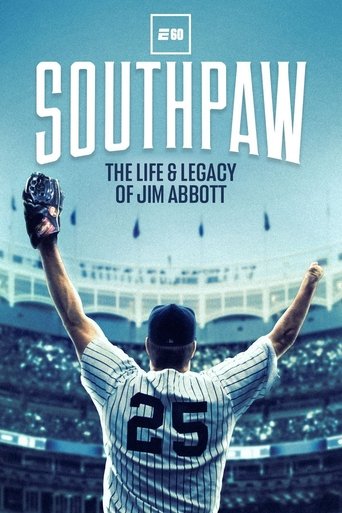
Yankee Stadium has seen a plethora of legends over the franchise's storied history, but few have left a legacy as unique as Jim Abbott's. On September 4, 1993, the pitcher, who was born without a right hand, threw a no-hitter in front of the Yankee faithful. This astonishing achievement is merely one in a lifetime of perseverance, as Abbott continues to advocate for people with disabilities.