

Joan of Arc
Drama · War · History
Overview
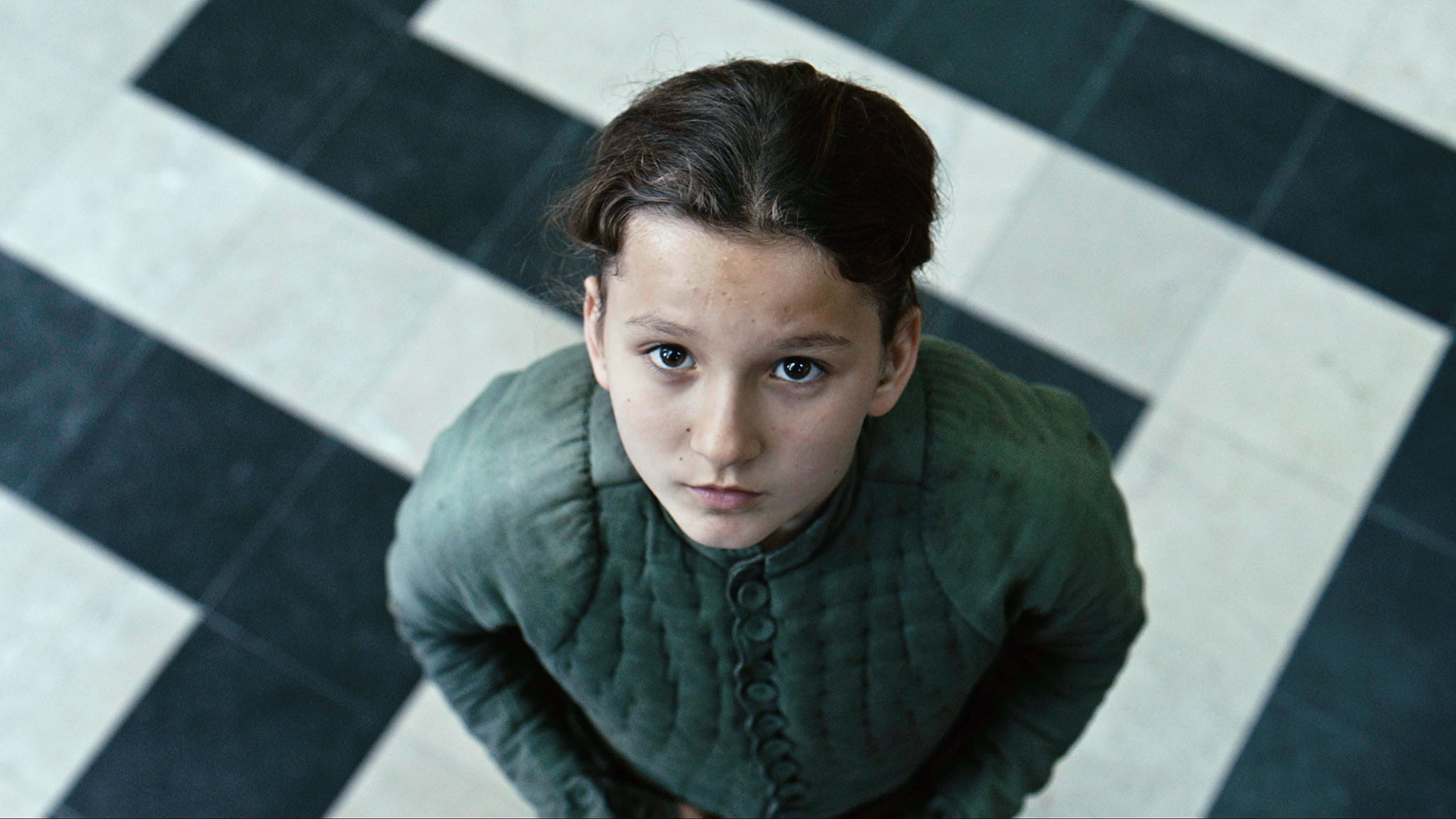
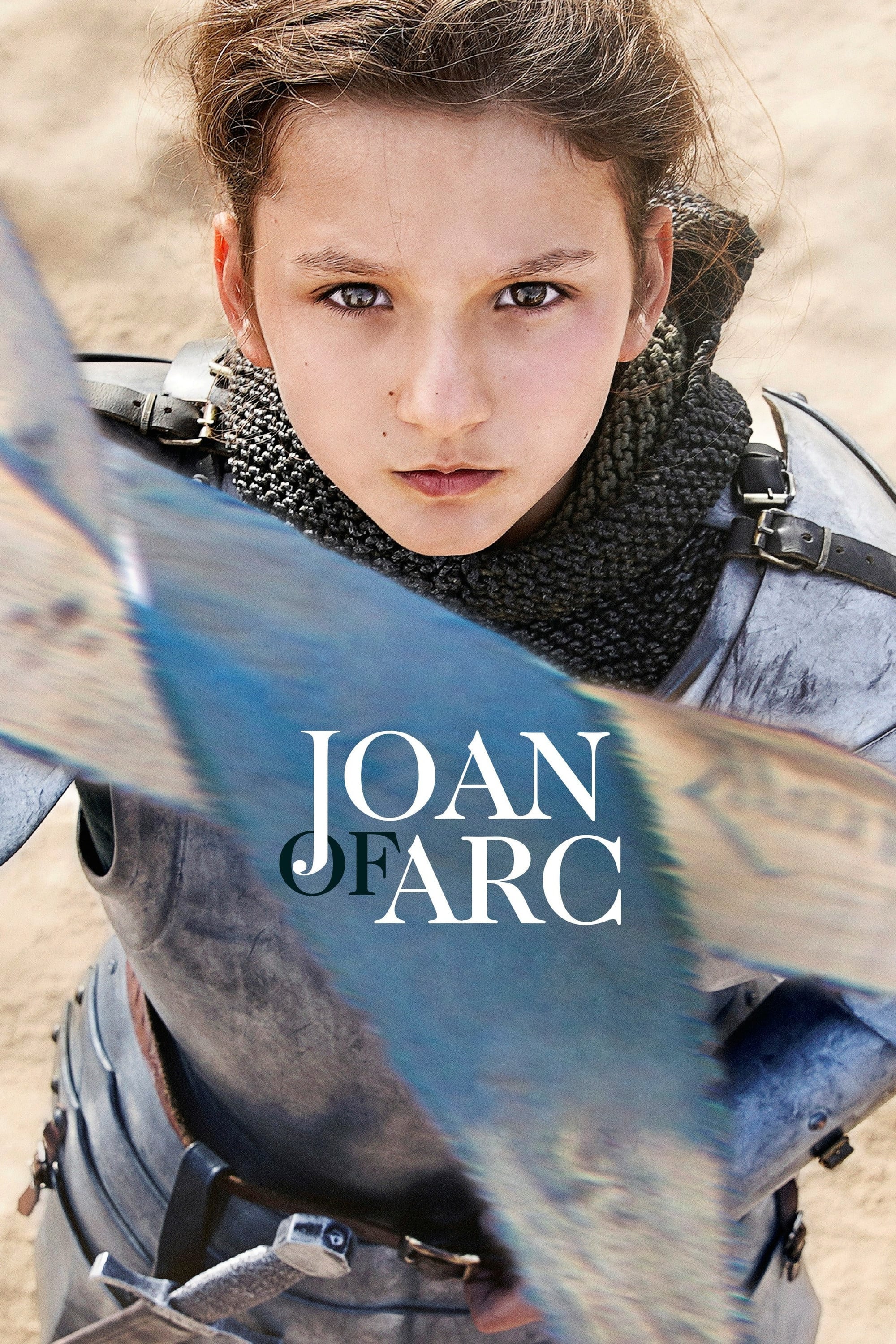
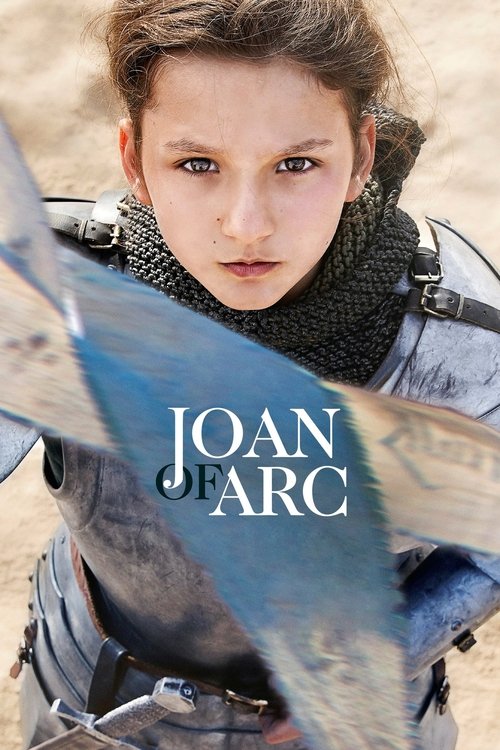
In the 15th century, both France and England stake a blood claim for the French throne. Believing that God had chosen her, young Joan leads the army of the King of France. When she is captured, the Church sends her for trial on charges of heresy. Refusing to accept the accusations, the graceful Joan will stay true to her mission.
Top Cast

Lise Leplat Prudhomme
Jeanne
Fabrice Luchini
Roi Charles VII
Jean-François Causeret
Monseigneur Pierre Cauchon
Annick Lavieville
Madame Jacqueline
Daniel Dienne
Maître Thomas de Courcelles
Fabien Fenet
Maître Nicolas l’oiseleur
Robert Hanicotte
Messire Jean D’Estivet
Justine Herbez
Marie
Yves Habert
Maître William Haiton
Benoît Robail
Monseigneur Regnauld de Chartres
Alain Desjacques
Messire Raoul de Gaucourt
Serge Holvoet
Monseigneur Patrice Bernard

Lise Leplat Prudhomme
Lise Leplat Prudhomme
Jeanne
Lise Leplat Prudhomme
Jeanne
Fabrice Luchini
Fabrice Luchini
Roi Charles VII
Fabrice Luchini
Roi Charles VII
Jean-François Causeret
Jean-François Causeret
Monseigneur Pierre Cauchon
Jean-François Causeret
Monseigneur Pierre Cauchon
Annick Lavieville
Annick Lavieville
Madame Jacqueline
Annick Lavieville
Madame Jacqueline
Daniel Dienne
Daniel Dienne
Maître Thomas de Courcelles
Daniel Dienne
Maître Thomas de Courcelles
Fabien Fenet
Fabien Fenet
Maître Nicolas l’oiseleur
Fabien Fenet
Maître Nicolas l’oiseleur
Robert Hanicotte
Robert Hanicotte
Messire Jean D’Estivet
Robert Hanicotte
Messire Jean D’Estivet
Justine Herbez
Justine Herbez
Marie
Justine Herbez
Marie
Yves Habert
Yves Habert
Maître William Haiton
Yves Habert
Maître William Haiton
Benoît Robail
Benoît Robail
Monseigneur Regnauld de Chartres
Benoît Robail
Monseigneur Regnauld de Chartres
Similar Movies

A young British nobleman comes back from fighting in the War of the Roses to discover that his father has been murdered by an old family friend who is now an outlaw. However, he becomes suspicious about the exact circumstances of his father's death and determines to find out exactly what happened.
In the 15th century Richard Duke of Gloucester, aided by his club-footed executioner Mord, eliminates those ahead of him in succession to the throne, then occupied by his brother King Edward IV of England. As each murder is accomplished he takes particular delight in removing small figurines, each resembling one of the successors, from a throne-room dollhouse, until he alone remains. After the death of Edward he becomes Richard III, King of England, and need only defeat the exiled Henry Tudor to retain power.
An expansive Russian drama, this film focuses on the life of revered religious icon painter Andrei Rublev. Drifting from place to place in a tumultuous era, the peace-seeking monk eventually gains a reputation for his art. But after Rublev witnesses a brutal battle and unintentionally becomes involved, he takes a vow of silence and spends time away from his work. As he begins to ease his troubled soul, he takes steps towards becoming a painter once again.
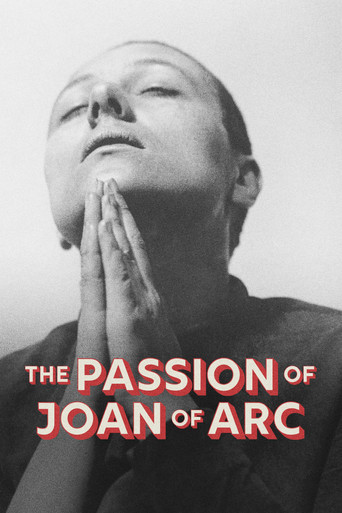
A classic of the silent age, this film tells the story of the doomed but ultimately canonized 15th-century teenage warrior. On trial for claiming she'd spoken to God, Jeanne d'Arc is subjected to inhumane treatment and scare tactics at the hands of church court officials. Initially bullied into changing her story, Jeanne eventually opts for what she sees as the truth. Her punishment, a famously brutal execution, earns her perpetual martyrdom.
Henry IV usurps the English throne, sets in motion the factious War of the Roses and now faces a rebellion led by Northumberland scion Hotspur. Henry's heir, Prince Hal, is a ne'er-do-well carouser who drinks and causes mischief with his low-class friends, especially his rotund father figure, John Falstaff. To redeem his title, Hal may have to choose between allegiance to his real father and loyalty to his friend.
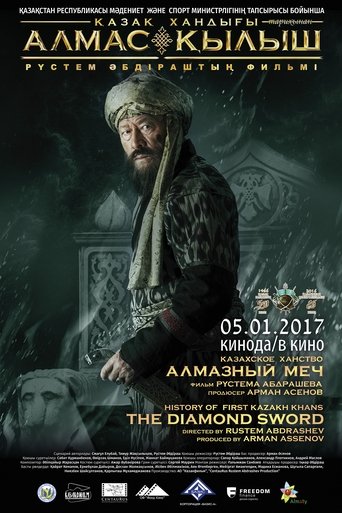
Set in the 15th century, the story follows the formation of the Kazakh state after the death of Genghis Khan and the usurpation of power by one of Khan's descendants, leading the sultans Kerei and Janibek to resort to some nomadic tribes to remove the usurper, hoping for a better life and freedom.
On October 11, 1424, Hussite commander Jan Žižka breathed his last breath near the castle in Přibyslav. With a little exaggeration, it can be said that he never actually died, as he immediately entered national mythology as the prototype of a brilliant military leader and a true Czech. The revolutionary events then took a slightly different course than he would have liked, but his legacy remained ever-present among the Hussites. To this day, Žižka lives on in our society, with books written and films made about him. But even after 600 years of uninterrupted interest, a significant question mark remains over the Trocnov warrior: What was he really like? A deeply religious warrior of God, or just an ordinary medieval cutthroat? Leading Czech historians, headed by Professor Petr Čornej, are attempting to answer this question.