

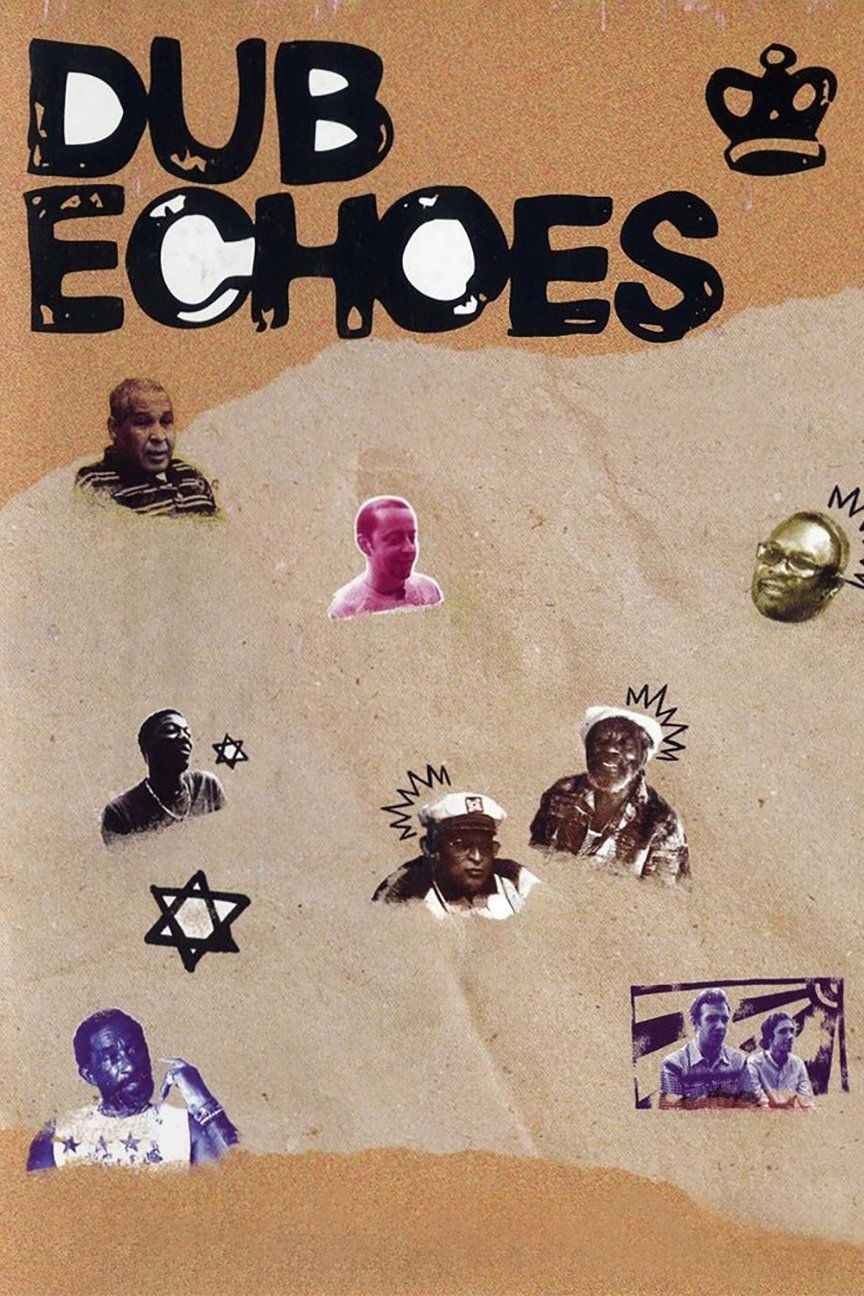
Dub Echoes
Documentary · Music
Overview
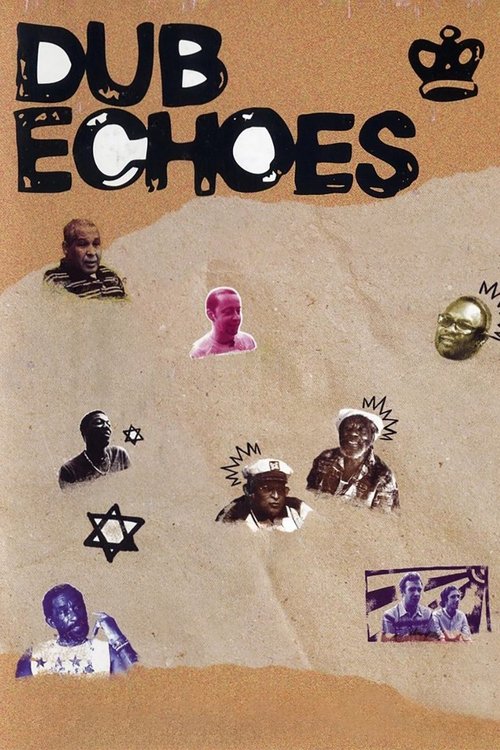
“Dub Echoes” is a documentary that traces the origins of the Jamaican dub music and it’s influence on the development of hip hop and electronic music.The film shows how the Jamaican invention called dub ended up influencing much of the music we hear today, from electronic music to hip-hop, transforming the studio in a musical instrument and giving way to all of sonic experiments.






No cast information.
Similar Movies
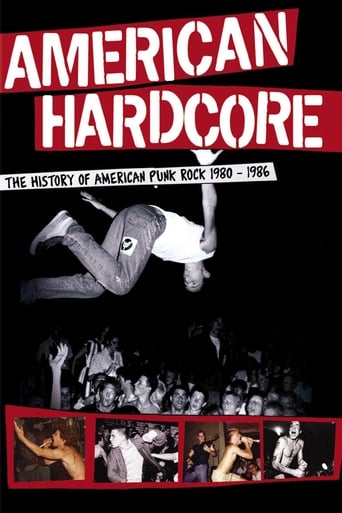
Inspired by Steven Blush's book "American Hardcore: A tribal history" Paul Rachman's feature documentary debut is a chronicle of the underground hardcore punk years from 1979 to 1986. Interviews and rare live footage from artists such as Black Flag, Bad Brains, Minor Threat, SS Decontrol and the Dead Kennedys.
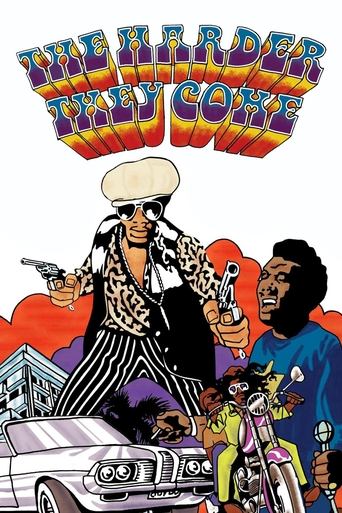
Ivanhoe Martin arrives in Kingston, Jamaica, looking for work and, after some initial struggles, lands a recording contract as a reggae singer. He records his first song, "The Harder They Come," but after a bitter dispute with a manipulative producer named Hilton, soon finds himself resorting to petty crime in order to pay the bills. He deals marijuana, kills some abusive cops and earns local folk hero status. Meanwhile, his record is topping the charts.
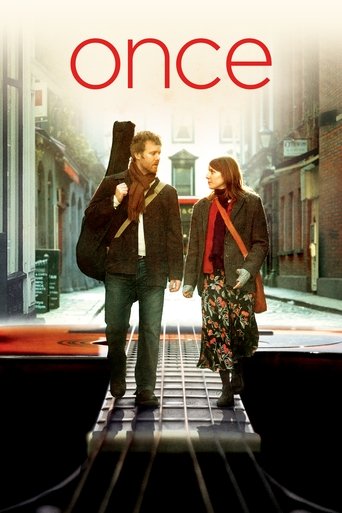
A vacuum repairman moonlights as a street musician and hopes for his big break. One day a Czech immigrant, who earns a living selling flowers, approaches him with the news that she is also an aspiring singer-songwriter. The pair decide to collaborate, and the songs that they compose reflect the story of their blossoming love.
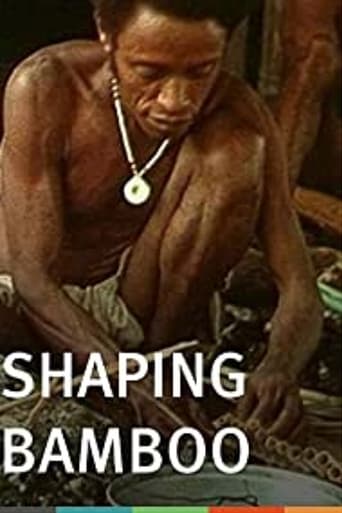
For the 'Are'are people of the Solomon Islands, the most valued music is that of the four types of panpipe ensembles. With the exception of slit drums, all musical instruments are made of bamboo; therefore the general word for instruments and the music performed with them is "bamboo" ('au). This film shows the making of panpipes, from the cutting the bamboo in the forest to the making of the final bindings. The most important part of the work consists in shaping each tube to its necessary length. Most 'Are'are panpipe makers measure the length of old instruments before they shape new tubes. Master musician 'Irisipau, surprisingly, takes the measure using his body, and adjusts the final tuning by ear. For the first time we can see here how the instruments and their artificial equiheptatonic scale-seven equidistant degrees in an octave-are practically tuned.
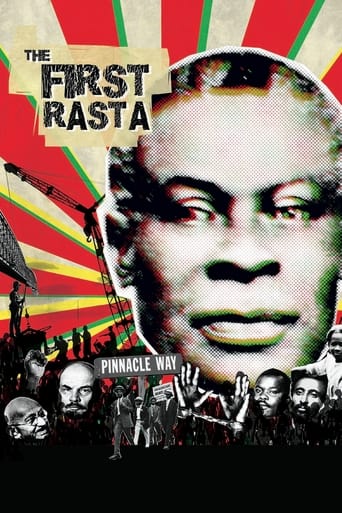
Going far beyond the standard imagery of Rasta—ganja, reggae, and dreadlocks—this cultural history offers an uncensored vision of a movement with complex roots and the exceptional journey of a man who taught an enslaved people how to be proud and impose their culture on the world. In the 1920s Leonard Percival Howell and the First Rastas had a revelation concerning the divinity of Haile Selassie, king of Ethiopia, that established the vision for the most popular mystical movement of the 20th century, Rastafarianism. Although jailed, ridiculed, and treated as insane, Howell, also known as the Gong, established a Rasta community of 4,500 members, the first agro-industrial enterprise devoted to producing marijuana. In the late 1950s the community was dispersed, disseminating Rasta teachings throughout the ghettos of the island. A young singer named Bob Marley adopted Howell's message, and through Marley's visions, reggae made its explosion in the music world.