

The Great Game
Documentary
Overview
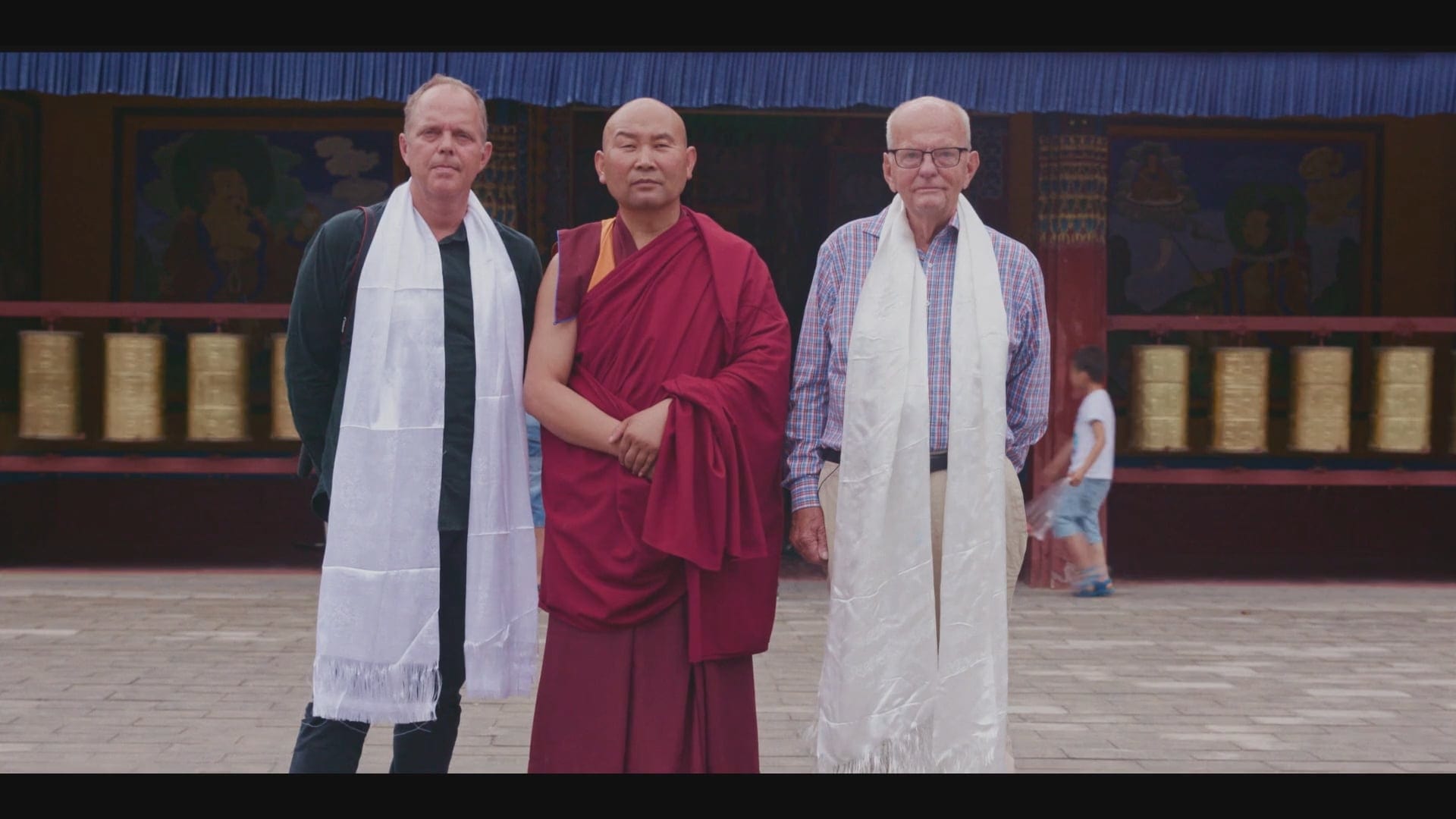
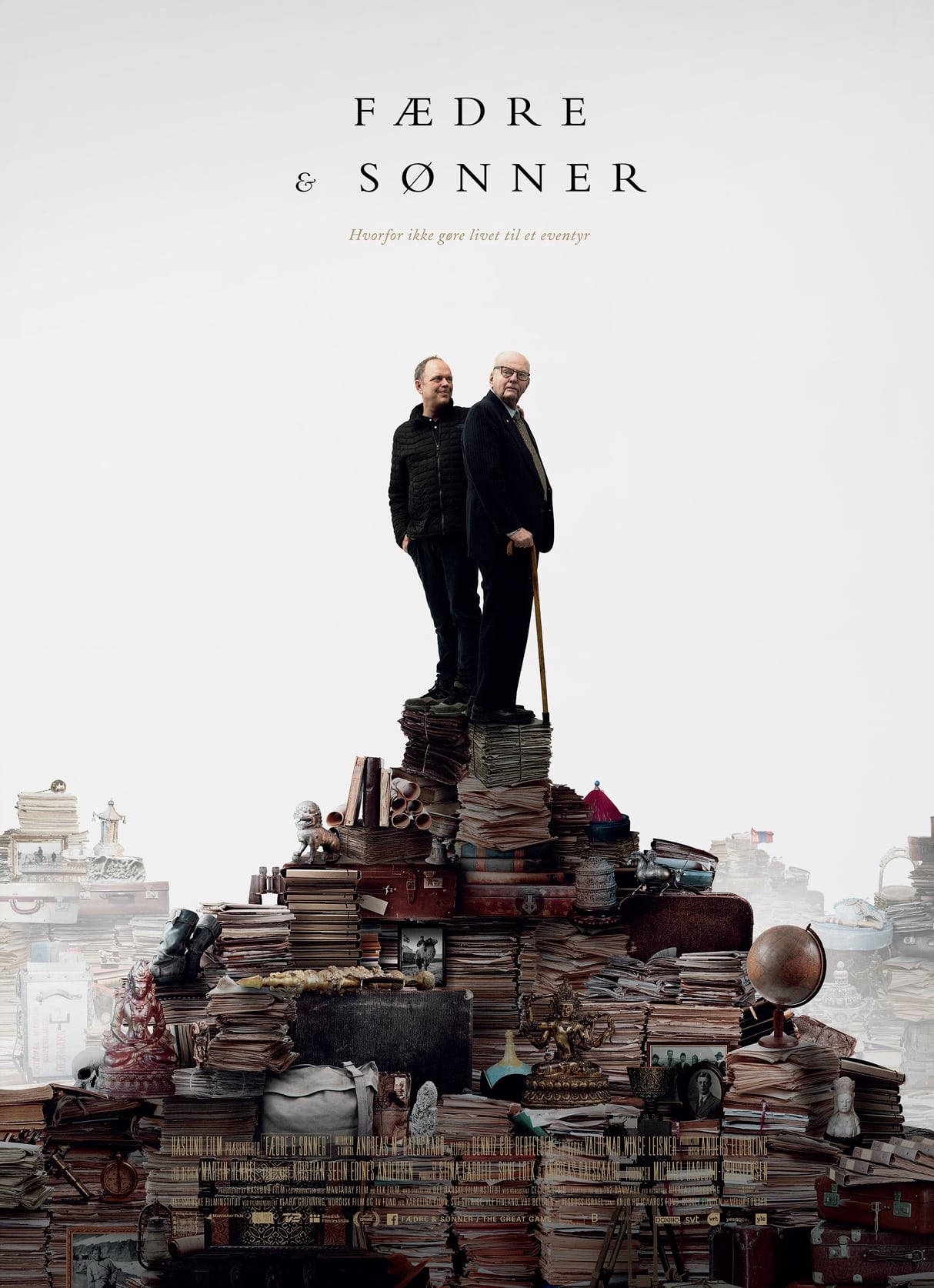
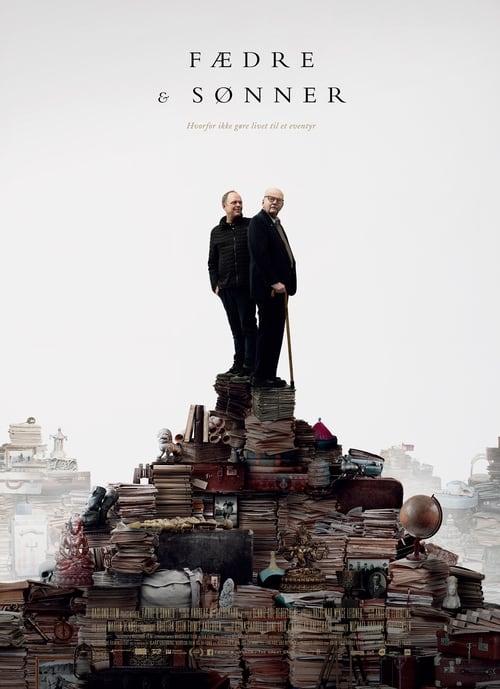
An old, ailing general is losing his memory. His anarchist son wants to connect. They share a passion for the Wild East, where grandfather was a famous explorer among Mongol tribes. He died under mysterious circumstances in 1948 in Afghanistan. Rumors say he was a British agent and gunrunner. Michael, the grandson, takes his father Søren out of the nursing home. He wants him to taste life, and he wants them to spend time together. The odd couple travel across China. They encounter temples, chiefs, and ancestors who reveal that the grandfather was a true Lawrence of the East. A man who fought to unite the Mongol tribes and defend them against the Soviet Reds.
Top Cast




Michael Haslund-Christensen
Michael Haslund-Christensen
Michael Haslund-Christensen
Søren Haslund-Christensen
Søren Haslund-Christensen
Søren Haslund-Christensen
Henning Haslund-Christensen
Henning Haslund-Christensen
Henning Haslund-Christensen
Marianne Haslund-Christensen
Marianne Haslund-Christensen
Marianne Haslund-Christensen
Ben Lewis
Ben Lewis
Ben Lewis
Christel Braa
Christel Braa
Christel Braa
Similar Movies
Edward Said's book Orientalism has been profoundly influential in a diverse range of disciplines since its publication in 1978. In this engaging and lavishly illustrated interview he talks about the context within which the book was conceived, its main themes, and how its original thesis relates to the contemporary understanding of "the Orient" as represented in the mass media. "That's the power of the discourse of Orientalism. If you're thinking about people and Islam, and about that part of the world, those are the words you constantly have to use. To think past it, to go beyond it, not to use it, is virtually impossible, because there is no knowledge that isn't codified in this way about that part of the world." -Edward Said
"Africa Light" - as white local citizens call Namibia. The name suggests romance, the beauty of nature and promises a life without any problems in a country where the difference between rich and poor could hardly be greater. Namibia does not give that impression of it. If you look at its surface it seems like Africa in its most innocent and civilized form. It is a country that is so inviting to dream by its spectacular landscape, stunning scenery and fascinating wildlife. It has a very strong tourism structure and the government gets a lot of money with its magical attraction. But despite its grandiose splendor it is an endless gray zone as well. It oscillates between tradition and modernity, between the cattle in the country and the slums in the city. It shuttles from colonial times, land property reform to minimum wage for everyone. It fluctuates between socialism and cold calculated market economy.
This documentary follows two long-lost Ukrainian friends, Arsalan and Nastya, as they reconnect in Germany after russia's full-scale invasion against Ukraine. Arsalan, an actor now in Frankfurt after time in a refugee camp, and Nastya, journalist and producer who stayed in Kyiv, reflect on the divergent paths their lives have taken due to the war. Through their conversations and therapy sessions, the film explores themes of displacement, identity, and the emotional impact of war on youth.
This documentary film is the continuation of “Digging Out the Truth” and it shows the mourning of the families of those who were, until recently, missing. During this second investigation the team discovered more graves close to the Moroccan wall and its accompanying line of antipersonnel mines. There are still more than 400 Saharawis missing in the Western Sahara.

The story of a young boy forced to spend all five years of his short life in hospital while the federal and provincial governments argued over which was responsible for his care, as well as the long struggle of Indigenous activists to force the Canadian government to enforce “Jordan’s Principle” — the promise that no First Nations children would experience inequitable access to government-funded services again.
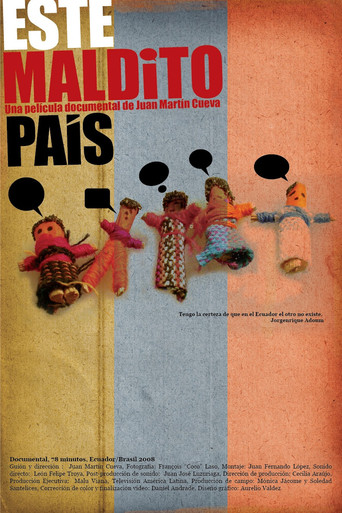
With intertwined life stories, this film starts from the questions: Is Ecuadorian society essentially mestizo? What is a mongrel? This documentary aims to bring to the fore issues that have been poorly resolved both in the way in which Ecuador defines itself as a country, and in the subjectivity of its inhabitants.