

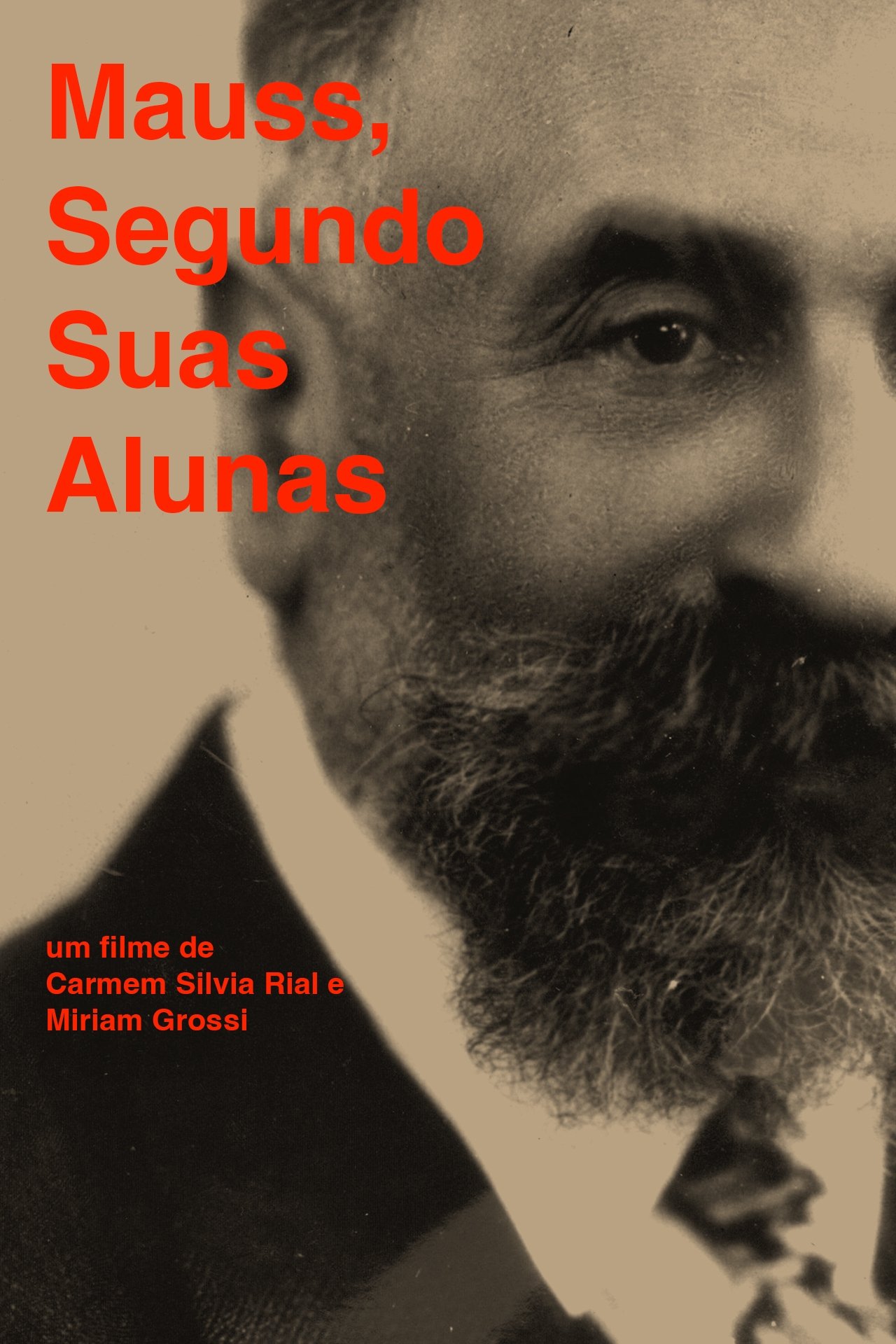
Mauss, Segundo Suas Alunas
Documentary
Overview
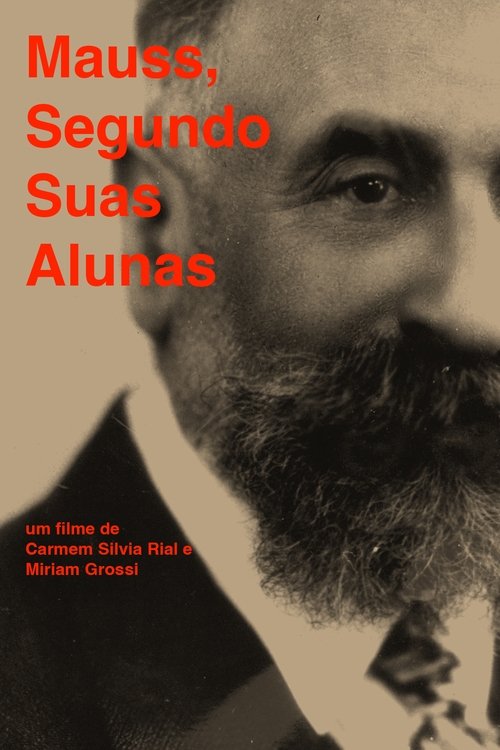
Biography of the ideas and teachings of Marcel Mauss, considered the founder of Anthropology who lived and wrote in the first half of the 20th century, in France. His work is discussed through the testimony of three students, carried out in Paris between 1997 and 1999. Denise Paulme died 4 months after the interview, Germaine Diertelen died 9 months later and Germaine Tillion, aged 95 in 2002, still works. The three were part of the first generation of French anthropologists, formed in the 1930s.




Germaine Tillion
Germaine Tillion
Self
Germaine Tillion
Self
Denise Paulme
Denise Paulme
Self
Denise Paulme
Self
Germaine Dieterlain
Germaine Dieterlain
Self
Germaine Dieterlain
Self
Similar Movies
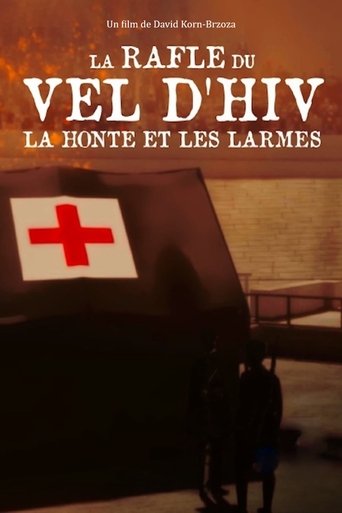
In 1942, more than 8,000 Jews were arrested on 16 and 17 July and sent to the Vélodrome d'Hiver sports center in the 15th district, a stone's throw from the Eiffel Tower, before being deported. The expression "Vel d'Hiv round-up" has become part of our collective memory, to the point of becoming the main memorial reference point for France during the dark years. Based on research carried out in unpublished or rarely explored archives, this film retraces the history of this roundup as experienced by hunted Jews and police trackers, from its planning in the Vichy offices to its hour-by-hour unfolding in the streets of Paris.
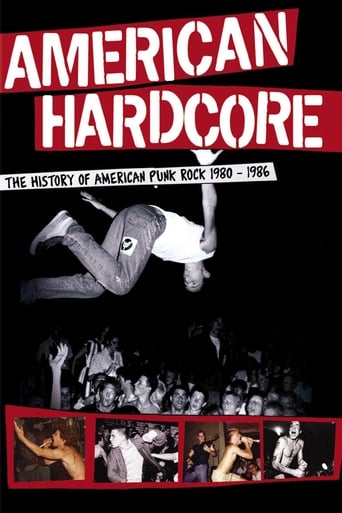
Inspired by Steven Blush's book "American Hardcore: A tribal history" Paul Rachman's feature documentary debut is a chronicle of the underground hardcore punk years from 1979 to 1986. Interviews and rare live footage from artists such as Black Flag, Bad Brains, Minor Threat, SS Decontrol and the Dead Kennedys.
Charlie, Wendy and Holly are joined by Regis, Jocelyne and Armelle investigate the naturist opportunities on Corsica. They visit the lovely seaside resorts of Bagheera and Villata with their splendid beaches and numerous facilities, before heading to the mountainous resort of U Furu where waterfalls and sparkling pools provide enchanting delight.
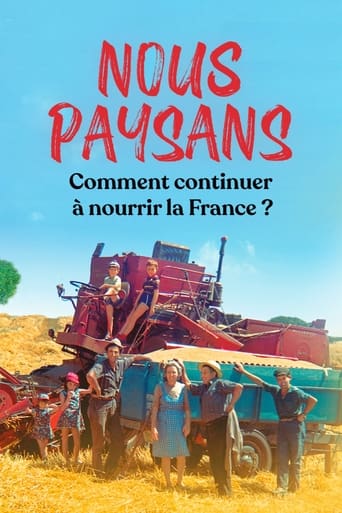
In barely a century, French peasants have seen their world profoundly turned upside down. While they once made up the vast majority of the country, today they are only a tiny minority and are faced with an immense challenge: to continue to feed France. From the figure of the simple tenant farmer described by Emile Guillaumin at the beginning of the 20th century to the heavy toll paid by peasants during the Great War, from the beginnings of mechanization in the inter-war period to the ambivalent figure of the peasant under the Occupation, From the unbridled race to industrialization in post-war France to the realization that it is now necessary to rethink the agricultural model and invent the agriculture of tomorrow, the film looks back at the long march of French peasants.
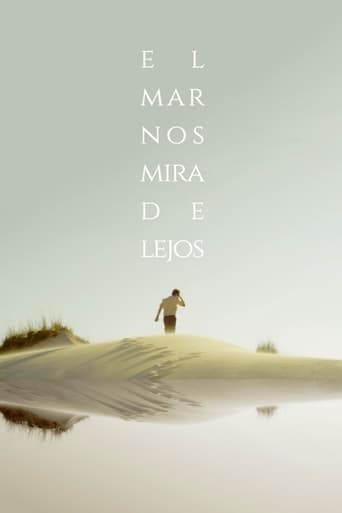
Huelva, Spain, an isolated region lost in time. The grass, the sand and the sky are the same that those foreigners saw in the spring of 1895, when they crossed the sea from a distant country to mark the unspoiled terrain and extract its wealth, when the tower was new, when people could climb to the top of the highest dune and imagine that the city of Tartessos was still there, in the distance, almost invisible in the morning brume.

An unprejudiced portrait of Spanish folklore and a crude analysis in black and white of its intimate relationship with atavism and superstition, with violence and pain, with blood and death; a story of terror, a journey to the most sinister and ancestral Spain; the one that lived far from the most visited tourist destinations, from the economic miracle and unstoppable progress, relentlessly promoted by the Franco regime during the sixties.
As the war wages on, Ukrainians under everyday threat find ways to live. A soldier returns home, a chaplain grapples with the weight of responsibility, and a mother grieves the loss of her family. These stories, amidst others, are a testament of Ukraine’s history, perseverance and plea to be remembered.