

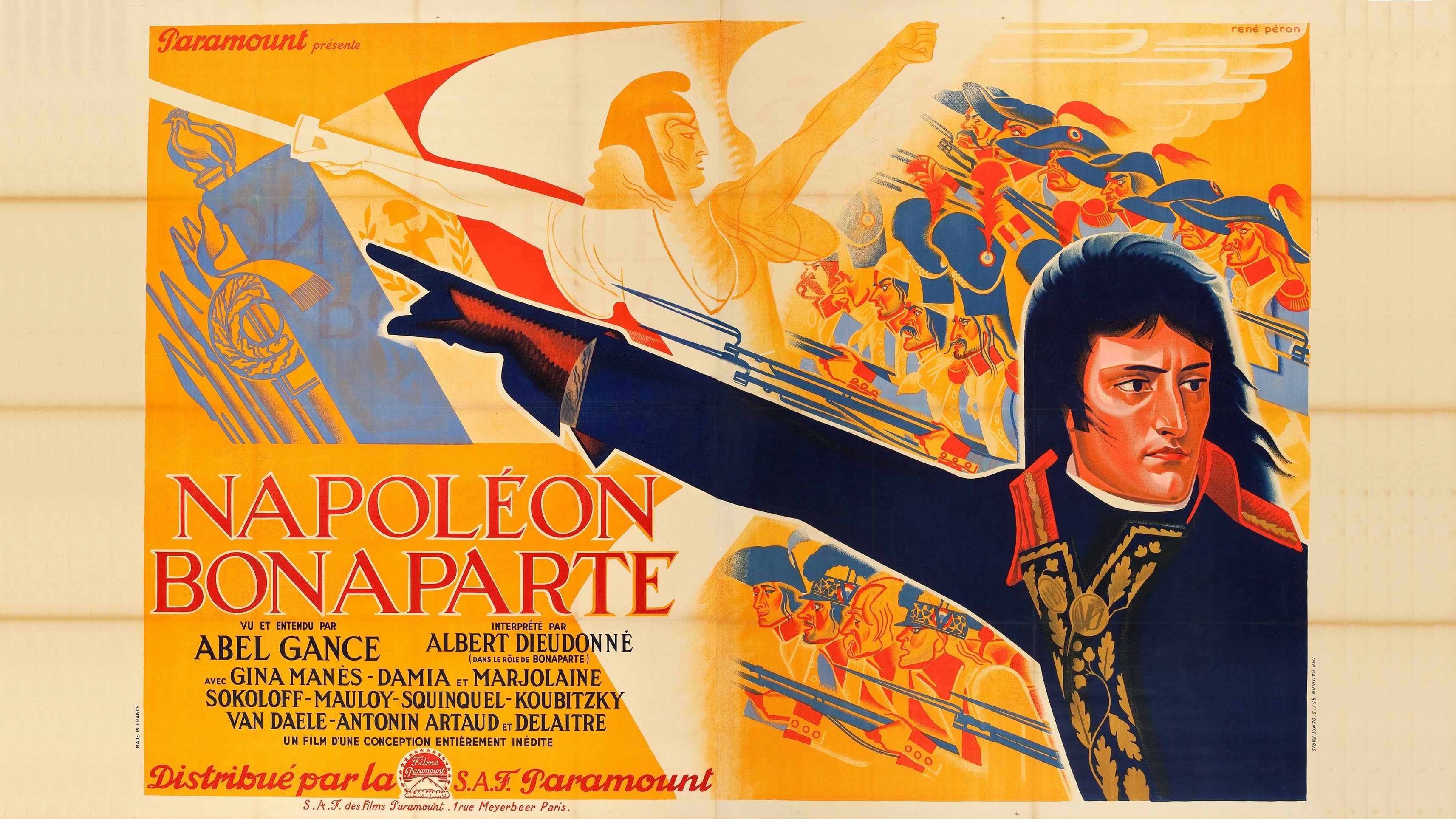
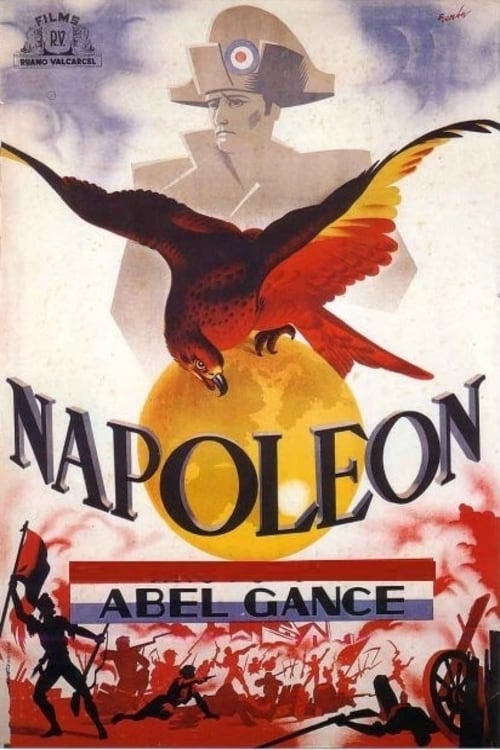
Napoléon Bonaparte
Drama · War · History
Overview
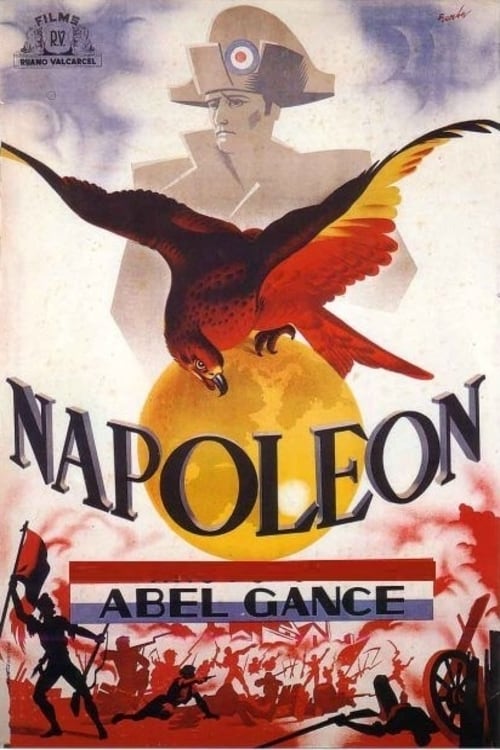
A second version of Gance's Napoléon, with sound.

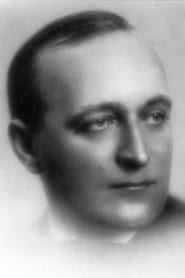
Albert Dieudonné
Albert Dieudonné
Napoléon Bonaparte
Albert Dieudonné
Napoléon Bonaparte
Gina Manès
Gina Manès
Joséphine de Beauharnais
Gina Manès
Joséphine de Beauharnais

Abel Gance
Abel Gance
Saint-Just
Abel Gance
Saint-Just
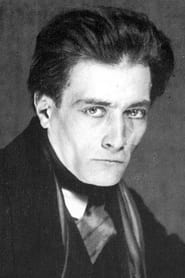
Antonin Artaud
Antonin Artaud
Marat
Antonin Artaud
Marat
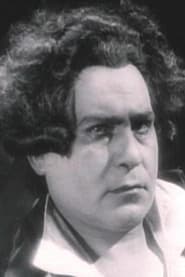
Alexandre Koubitzky
Alexandre Koubitzky
Danton
Alexandre Koubitzky
Danton
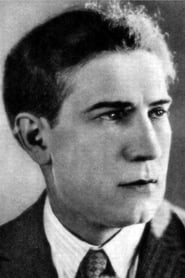
Edmond van Daële
Edmond van Daële
Robespierre
Edmond van Daële
Robespierre

Philippe Hériat
Philippe Hériat
Salicetti
Philippe Hériat
Salicetti
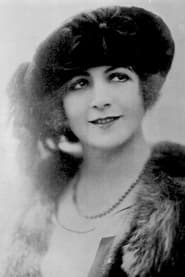
Suzanne Bianchetti
Suzanne Bianchetti
Marie-Antoinette
Suzanne Bianchetti
Marie-Antoinette
Marguerite Gance
Marguerite Gance
Charlotte Corday
Marguerite Gance
Charlotte Corday
Similar Movies
From the mean streets of the Belleville district of Paris to the dazzling limelight of New York's most famous concert halls, Edith Piaf's life was a constant battle to sing and survive, to live and love. Raised in her grandmother's brothel, Piaf was discovered in 1935 by nightclub owner Louis Leplee, who persuaded her to sing despite her extreme nervousness. Piaf became one of France's immortal icons, her voice one of the indelible signatures of the 20th century.
In the heart of Morvan, Nico, the last vet in the area, struggles to save his patients, his clinic, and his family. When Michel, his partner and mentor, announces his retirement, Nico knows that the hard part is yet to come. "Don't worry, I've found the next generation" Except that ... The next generation is Alexandra, a 24-hour graduate, brilliant, misanthropic, and not at all willing to return to bury herself in the village of her childhood. Will Nico manage to make her stay?
"Race d’Ep!" (which literally translates to "Breed of Faggots") was made by the “father of queer theory,” Guy Hocquenghem, in collaboration with radical queer filmmaker and provocateur Lionel Soukaz. The film traces the history of modern homosexuality through the twentieth century, from early sexology and the nudes of Baron von Gloeden to gay liberation and cruising on the streets of Paris. Influenced by the groundbreaking work of Michel Foucault on the history of sexuality and reflecting the revolutionary queer activism of its day, "Race d’Ep!" is a shockingly frank, sex-filled experimental documentary about gay culture emerging from the shadows.
A group of French soldiers, including the patrician Captain de Boeldieu and the working-class Lieutenant Maréchal, grapple with their own class differences after being captured and held in a World War I German prison camp. When the men are transferred to a high-security fortress, they must concoct a plan to escape beneath the watchful eye of aristocratic German officer von Rauffenstein, who has formed an unexpected bond with de Boeldieu.
The last vestiges of a family that has gone from cherry season to sorrow... Madame Ranevskaya is a spoiled, aging aristocrat who, upon returning from a trip to Paris, must face the loss of her magnificent Cherry Orchard estate after defaulting on her mortgage. In denial, she continues to live in the past, deluding herself and her family, while the magnificent cherry trees are chopped down by the new owner Lopakhin, her former serf, who has his own agenda.
Iranian Iradj Azimi directed this French historical drama re-creating events depicted in the famous 1819 painting The Raft of the Medusa by Jean Louis Andre Theodore Gericault (1791-1824). The ill-fated voyage of the frigate Medusa begins when it departs Rochefort for Senegal in 1816. After striking a sandbar off the African coast, 150 civilians row safely to shore, but Captain Chaumareys (Jean Yanne) orders 140 soldiers and sailors onto a raft (minus supplies) and has it cut loose. Only 14 survive from the 140, creating a scandal back in France. Gericault (Laurent Terzieff) later talks to three of the survivors while researching his painting. Work on this film began in 1987, but sets destroyed by Hurricane Hugo caused delays, so the film was not completed until 1990. However, it then remained undistributed until an incident in which writer-director Azimi slashed his wrists in front of French Ministry of Culture officials.