


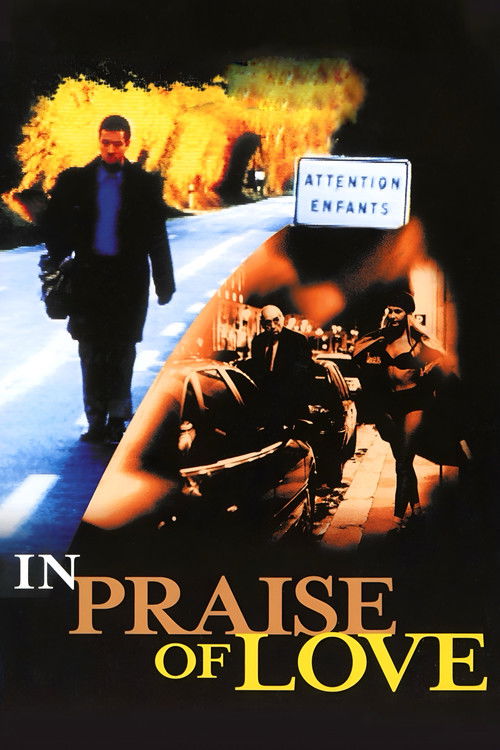
In Praise of Love
Drama
Overview
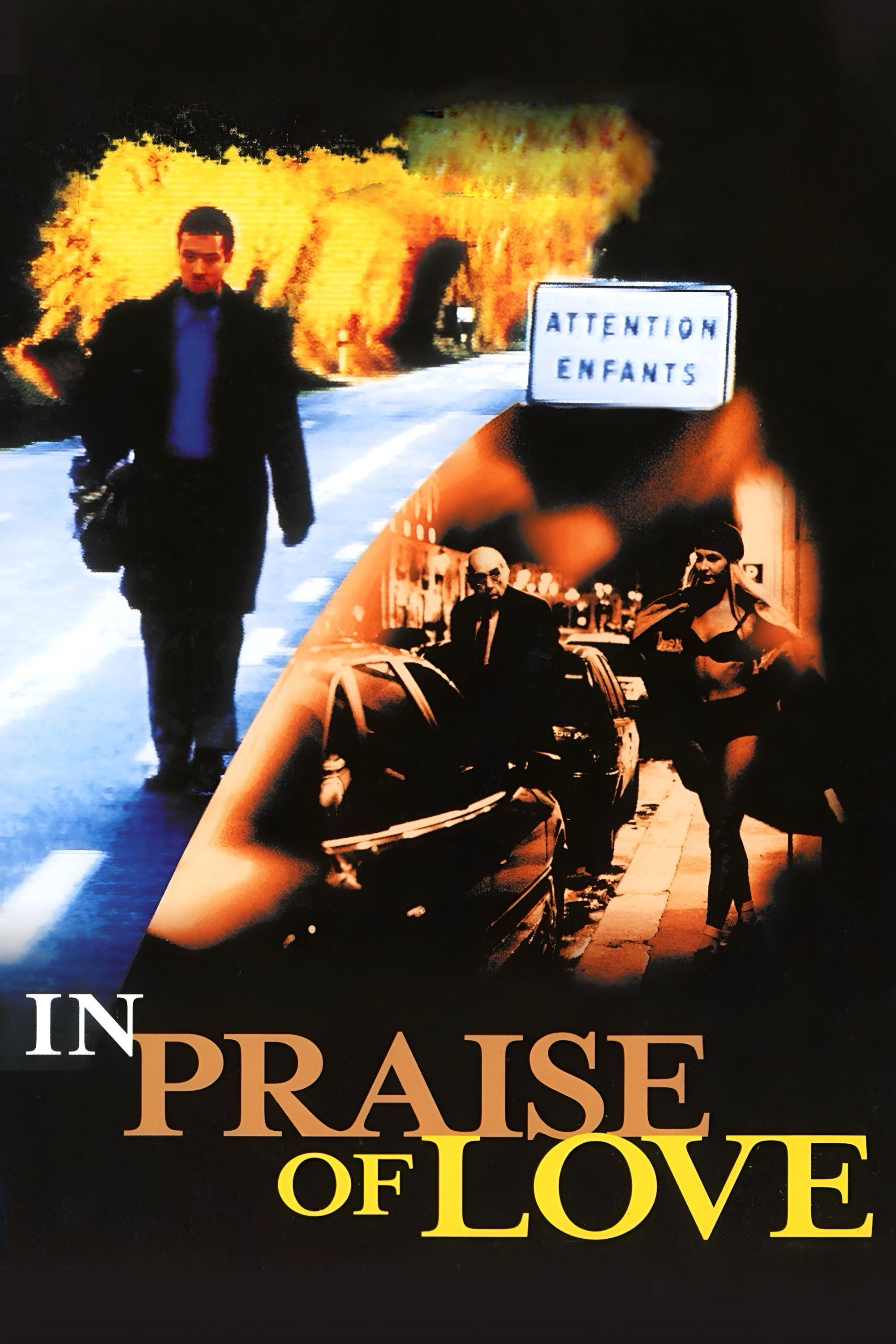
Someone we hear talking - but whom we do not see - speaks of a project which describes the four key moments of love: meeting, physical passion, arguments/separation and making up. This project is to be told through three couples: young, adult and old. We do not know if the project is for a play, a film, a novel or an opera. The author of the project is always accompanied by a kind of servant. Meanwhile, two years earlier, an American civil servant meets with an elderly French couple who had fought in the Resistance during World War II, brokering a deal with a Hollywood director to buy the rights to tell their story. The members of the old couple's family discuss heatedly questions of nation, memory and history.
Top Cast

Bruno Putzulu
Edgar

Cécile Camp
Elle
Jean Davy
Grandfather
Françoise Verny
Grandmother
Audrey Klebaner
Eglantine

Jérémie Lippmann
Perceval
Claude Baignières
Mr. Rosenthal

Rémo Forlani
Mayor Forlani
Mark Hunter
U.S. Journalist

Jean Lacouture
Historian
Philippe Lyrette
Philippe, Edgar's Assistant
Bruno Mesrine
Magician






Bruno Putzulu
Bruno Putzulu
Edgar
Bruno Putzulu
Edgar
Cécile Camp
Cécile Camp
Elle
Cécile Camp
Elle
Jean Davy
Jean Davy
Grandfather
Jean Davy
Grandfather
Françoise Verny
Françoise Verny
Grandmother
Françoise Verny
Grandmother
Audrey Klebaner
Audrey Klebaner
Eglantine
Audrey Klebaner
Eglantine
Jérémie Lippmann
Jérémie Lippmann
Perceval
Jérémie Lippmann
Perceval
Claude Baignières
Claude Baignières
Mr. Rosenthal
Claude Baignières
Mr. Rosenthal
Rémo Forlani
Rémo Forlani
Mayor Forlani
Rémo Forlani
Mayor Forlani
Mark Hunter
Mark Hunter
U.S. Journalist
Mark Hunter
U.S. Journalist
Jean Lacouture
Jean Lacouture
Historian
Jean Lacouture
Historian
Similar Movies

Prometheus, on an Odyssean journey, crosses the Brooklyn Bridge in search of the characters of his imagination. After meeting the Muse, he proceeds to the "forest." There, under an apple tree, he communes with his selves, represented by celebrated personages from the New York "underground scene" who appear as modern correlatives to the figures of Greek mythology. The filmmaker, who narrates the situations with a translation of Aeschylus' Prometheus Bound, finds the personalities of his characters to have a timeless universality.

Adachi's follow-up to Bowl using the figure of a woman suffering from an unusual sexual aliment has often been taken as a controversial allegory for the political stalemate of the Leftist student movement after their impressive wave of massive fiery protests failed to defeat the neo-imperialist Japan-US Security Treaty. The ritualistic solemnity of the charged sexual scenes contribute to the oneiric qualities of Closed Vagina which Adachi would later insist was an open work, not meant to deliver any kind of deliberate political message. - Harvard Film Archive
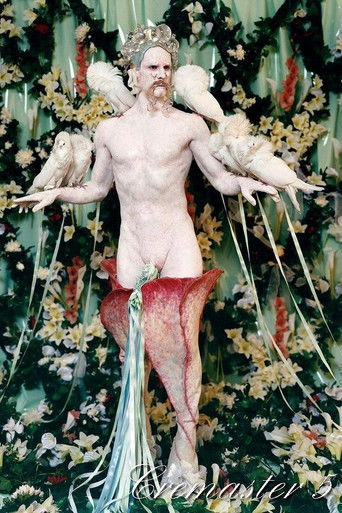
CREMASTER 5 is a five-act opera (sung in Hungarian) set in late-ninteenth century Budapest. The last film in the series, it represents the moment when the testicles are finally released and sexual differentiation is fully attained. The lamenting tone of the opera suggests that Barney invisions this as a moment of tragedy and loss. The primary character is the Queen of Chain (played by Ursula Andress). Barney, himself, plays three characters who appear in the mind of the Queen: her Diva, Magician, and Giant. The Magician is a stand-in for Harry Houdini, who was born in Budapest in 1874 and appears as a recurring character in the Cremaster cycle.

Ion is a seemingly normal guy whose life goes by without a hitch. A phone call; a meeting with a friend; small, unimportant everyday situations. One day he gets into a car with two other people. They cross the border between Spain and France. The next morning, their lives will change forever.

Each day after work, Carlos, a language school teacher, frequents the heady surroundings of his local cruising ground. One evening he encounters a teenage boy from his class named Toni, and the two engage in a brief sexual tryst. As the relationship between teacher and student begins to develop, some dark truths emerge about the young man and his mysterious group of friends.
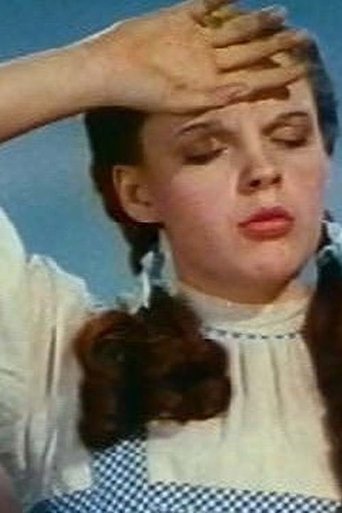
Ode to Dorothy reexamines the relationships of the main characters in The Wizard of Oz, revealing these relationships to be much more complicated and dark then we first understood as children. Comprised of footage from The Wizard of Oz and Meet Me in St. Louis, two musicals starring Judy Garland, the tape takes existing, iconographic images and reinterprets the footage to create an alternative narrative to the original storyline intended by L. Frank Baum.