

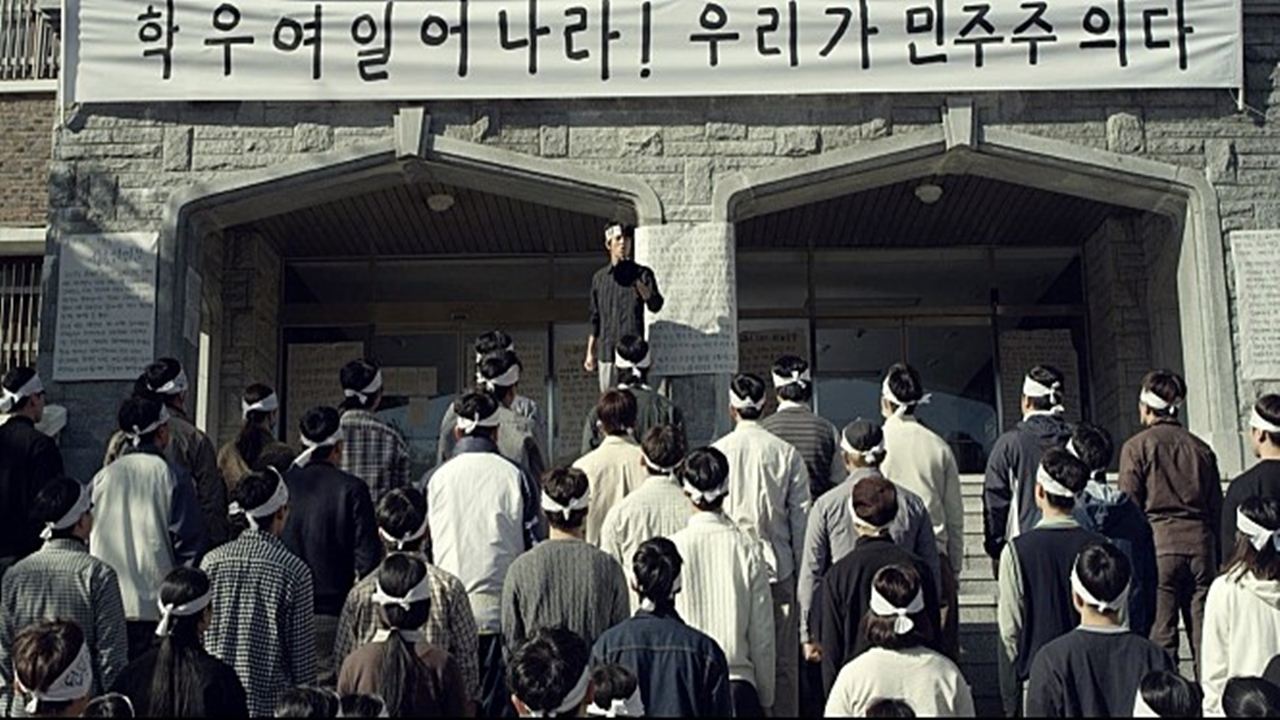
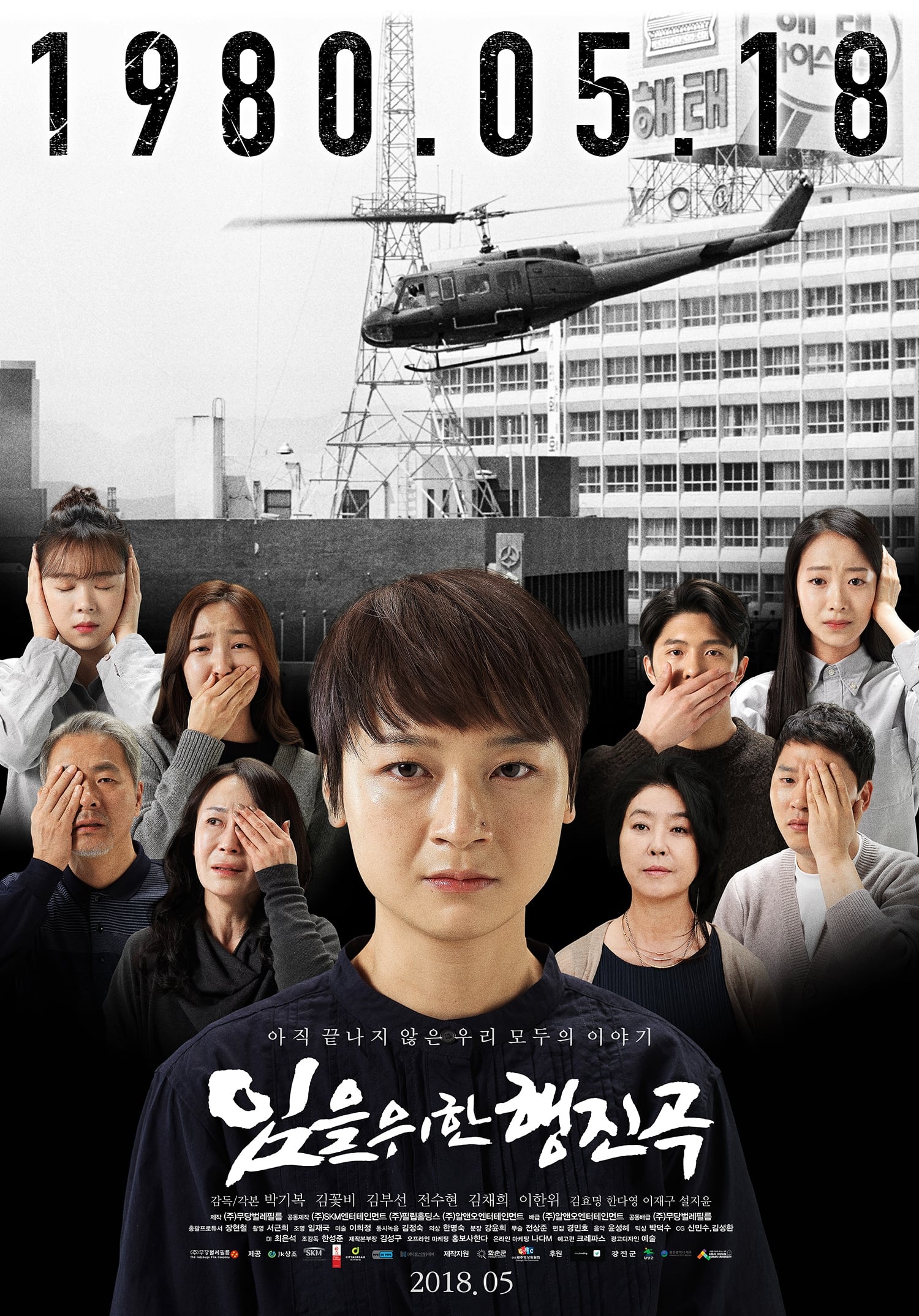
The March for the Lost
Drama
Overview
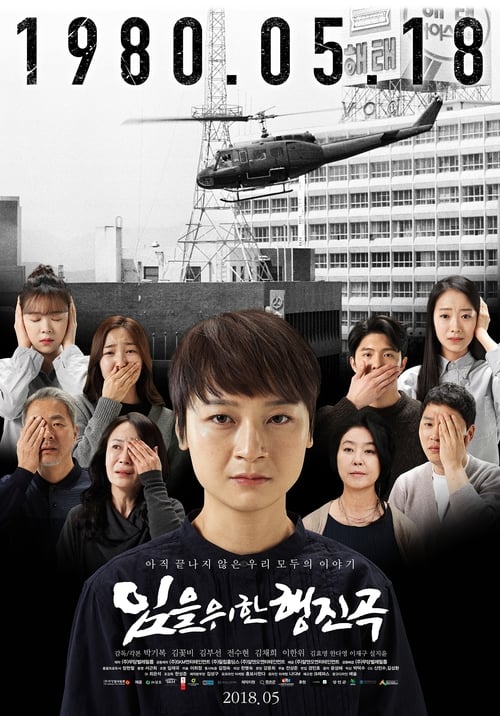
This is the story of a father who died mysteriously in May of 1980, a mother who lives in the shadows with a bullet in her head and not being able to forget May 18th and their daughter, and the nation's greatest comedian, Hee-soo.



Kim Kkob-bi
Kim Kkob-bi
Hee-soo
Kim Kkob-bi
Hee-soo

Kim Bu-seon
Kim Bu-seon
Myung-hee
Kim Bu-seon
Myung-hee
Jeon Soo-hyun
Jeon Soo-hyun
Chul-soo
Jeon Soo-hyun
Chul-soo
Kim Chae-hee
Kim Chae-hee
Myung-hee (Past)
Kim Chae-hee
Myung-hee (Past)
Lee Han-wi
Lee Han-wi
Choi Young-chan
Lee Han-wi
Choi Young-chan
Kim Hyo-myeong
Kim Hyo-myeong
Chul-ho (Past)
Kim Hyo-myeong
Chul-ho (Past)
Han Da-yeong
Han Da-yeong
Tae-ja (Past)
Han Da-yeong
Tae-ja (Past)
Lee Jae-gu
Lee Jae-gu
Chul-ho
Lee Jae-gu
Chul-ho
Seol Ji-yun
Seol Ji-yun
Seol Ji-yun
Han So-hyeon
Han So-hyeon
Lee So-mi
Han So-hyeon
Lee So-mi
Similar Movies
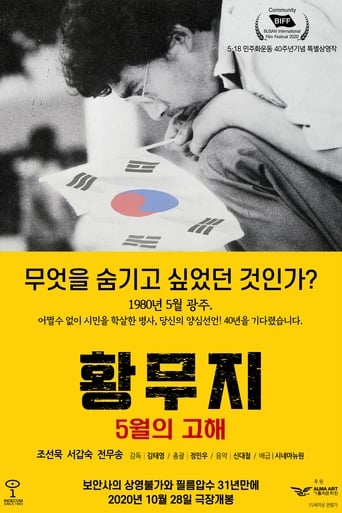
The citizens of Gwangju lead a relatively peaceful life, until one day the military takes over the city, accusing the residents of conspiracy and claiming that they are communist sympathisers preparing a revolution against the current government. Seeing as the soldiers beat defenceless people, mainly students, to death, the citizens are in for retaliation and form a militia.
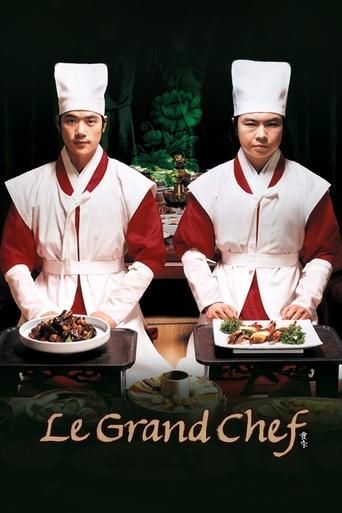
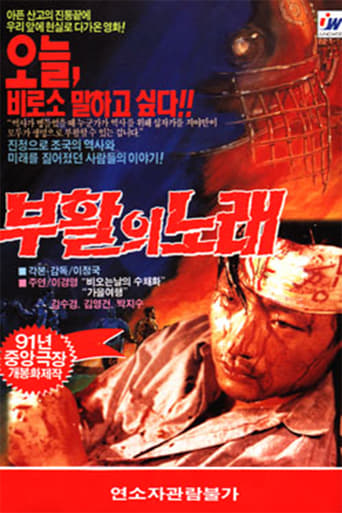
There is HWAPYONG Restaurant with full of hopes of the family of three generations. Grandfather, the first-generation owner, and the first son, the second-generation owner, who lives as a fugitive after being branded as a communist and his wife and Cheol-soo’s mom who has to work hard by juggling work and family without complaint. The second son, Cheol-soo’s uncle, who sometimes acts like a child with an excuse of being the second son but loves Cheol-soo more than anyone and seriously cares about the restaurant. To the third generation, young Cheol-soo, family is the most precious. By the time when ‘Seoul Spring’ longing for democratization came to nothing due to ‘Retreat from Seoul Station’ in 1980, there were a series of peaceful protests in Gwangju, Jeolla Province. In warm May, a large dark cloud is looming over HWAPYONG Restaurant, the home and everything of this ordinary family of Cheol-soo, in the middle of Gwangju.
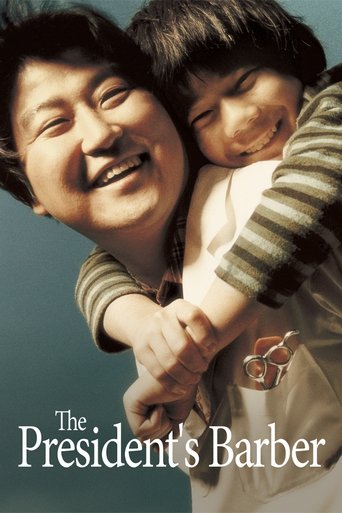
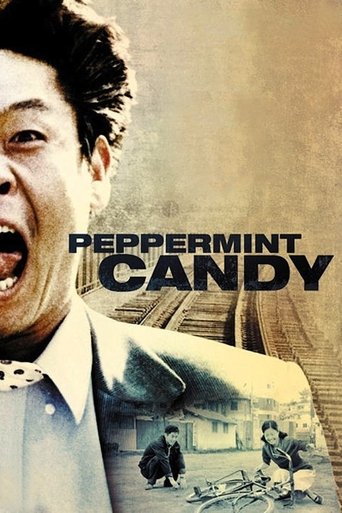
A well-meaning but politically naive barber gets pulled into the inner circle of the South Korean dictator Park Chung-Hee, with rather baleful consequences for his hapless family. This sharp political satire covers roughly twenty years in South Korean political history, from the viewpoint of the barber's son.
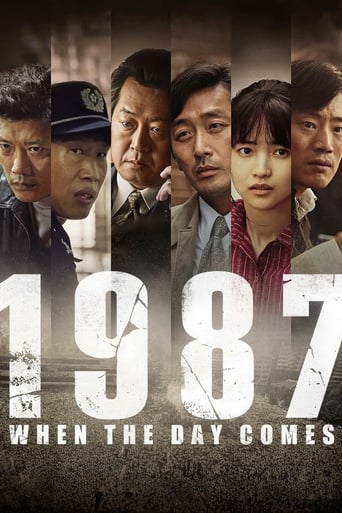
20 years after discharge from the army and now an excavator driver, a former paratrooper who had been mobilized to suppress the May 18th Democratic Uprising in Korea in 1980, happens to find a skull in the ground one day. Driving his excavator, he pays visits to his former superiors one by one and realizes they were all both assailants and victims of the times.
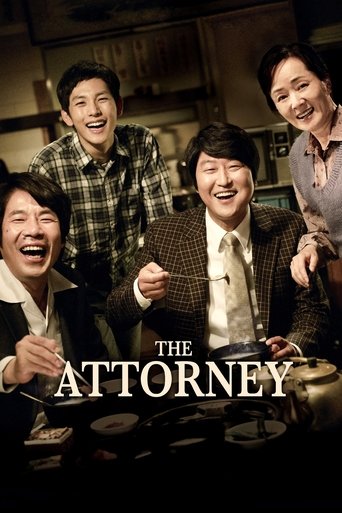
May, 1980. Man-seob is a taxi driver in Seoul who lives from hand to mouth, raising his young daughter alone. One day, he hears that there is a foreigner who will pay big money for a drive down to Gwangju city. Not knowing that he’s a German journalist with a hidden agenda, Man-seob takes the job.
After the Gwangju Democratization Movement is terminated by brute force, Jong Soo runs from the authorities and goes to Dongducheon in search of Tae Ho, an older neighbor from his hometown. He is a student at Jeonnam University and a night school teacher who is on the run because of his involvement in the Gwangju Movement.