

Time, Ago!
Music
Overview
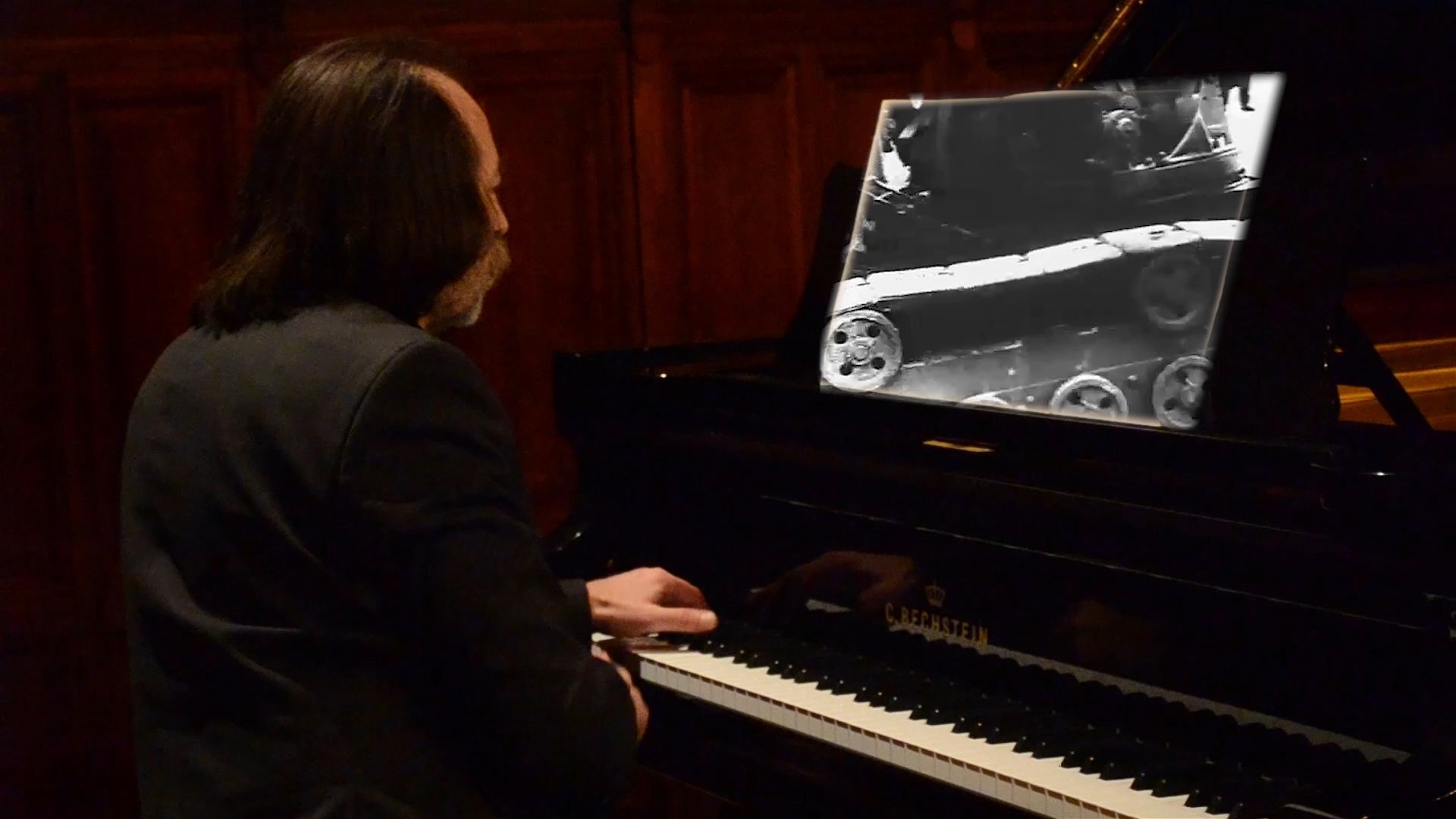
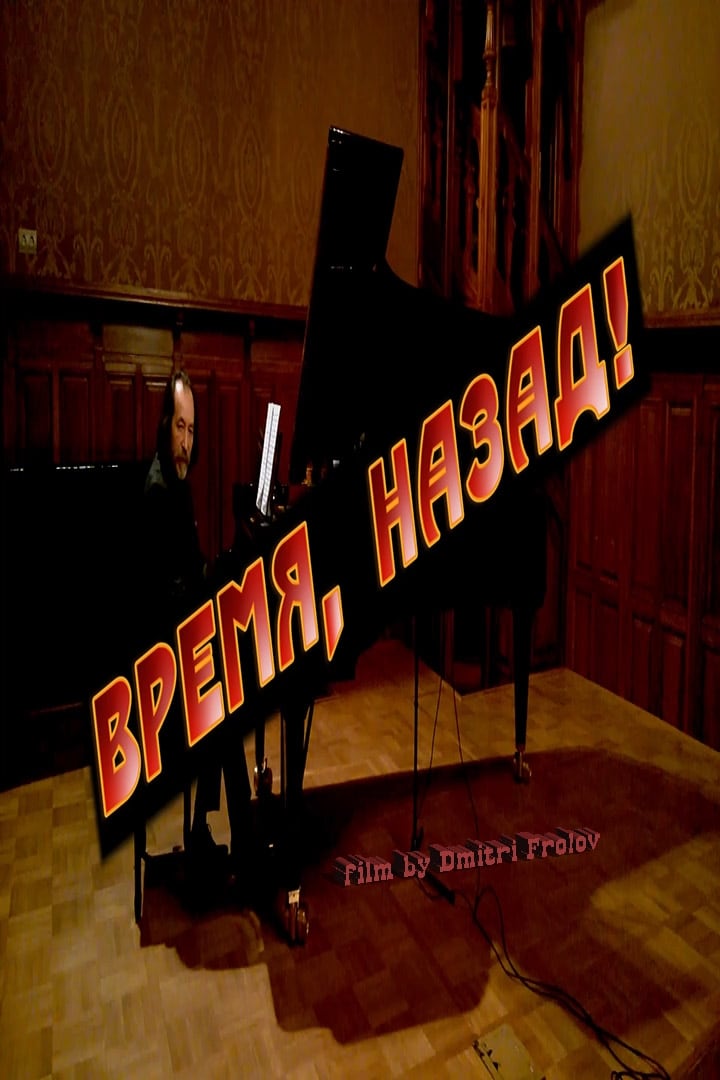
"Time, forward!" - two orchestral suites by George Sviridov, published for the first time in 1968 (first suite) and in 1977 (second suite). The suites were created on the basis of music for the film "Time, Forward!" By Mikhail Schweitzer (based on the novel of the same name by Valentin Kataev, shot in 1965, released in 1966), dedicated to the construction of the Magnitogorsk Metallurgical Combine. From the first suite, the most famous part is "Time, forward!". Subsequently, it was used in a number of films, in television and radio programs, documentary films about the first five-year plans, industrialization, and post-war reconstruction. Sergei Oskolkov composed his suite: "Time, back!" The film is dedicated to the 100th anniversary of the revolution in Russia.
Top Cast



Sergey Oskolkov
Sergey Oskolkov
Музыкант
Sergey Oskolkov
Музыкант
Similar Movies
Surrendering the mind to the hypnotic dance of fire, a candle's glimmer reveals dreamlike memories, illustrated by flickering fragments of experimental films that overlap alongside a deconstructed soundscape. Entering a hallucinatory state in a haunted ambience, one's own subconscious is put on display.

Meet Shavon O'Brien: Her family doesn't understand her, her church ignores her, even Jesus forgets about her. With only the spirit of Sinead O'Connor to guide her, Shavon battles institutional child abuse, narcissistic group think, a talking stomach and a singing poop bucket! Shavon goes from Catholic to Crusty Punk in this very, very, very, dark musical comedy!
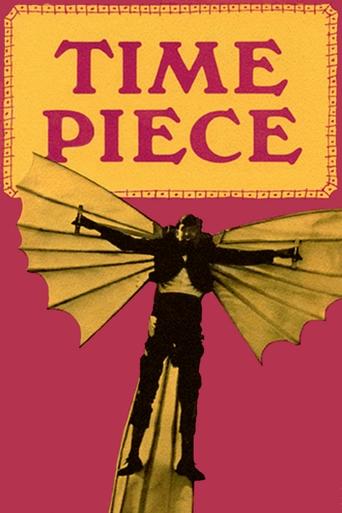
Dislocation in time, time signatures, time as a philosophical concept, and slavery to time are some of the themes touched upon in this 9-minute experimental film, which was written, directed, and produced by Jim Henson. Screened for the first time at the Museum of Modern Art in May of 1965, "Time Piece" enjoyed an eighteen-month run at one Manhattan movie theater and was nominated for an Academy Award for Outstanding Short Subject.
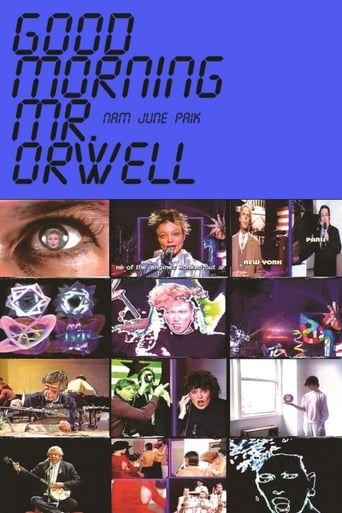
In his book "1984", George Orwell saw the television of the future as a control instrument in the hands of Big Brother. Right at the start of the much-anticipated Orwellian year, Paik and Co. were keen to demonstrate satellite TV's ability to serve positive ends-- Namely, the intercontinental exchange of culture, combining both highbrow and entertainment elements. A live broadcast shared between WNET TV in New York and the Centre Pompidou in Paris, linked up with broadcasters in Germany and South Korea, reached a worldwide audience of over 10 or even 25 million (including the later repeat transmissions).

Global Groove was a collaborative piece by Nam June Paik and John Godfrey. Paik, amongst other artists who shared the same vision in the 1960s, saw the potential in the television beyond it being a one-sided medium to present programs and commercials. Instead, he saw it more as a place to facilitate a free flow of information exchange. He wanted to strip away the limitations from copyright system and network restrictions and bring in a new TV culture where information could be accessed inexpensively and conveniently. The full length of the piece ran 28 minutes and was first broadcasted in January 30, 1974 on WNET.
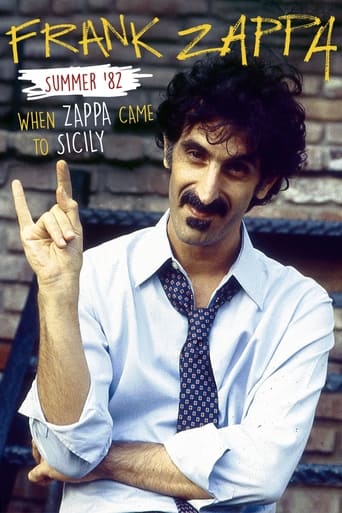
In the feature documentary, Summer 82 – When Zappa Came to Sicily, filmmaker and Zappa fan Salvo Cuccia tells the behind-the-scenes story of Frank Zappa's star-crossed concert in Palermo, Sicily, the wrap-up to a European tour that ended in public disturbances and police intervention. Cuccia had a ticket to the concert but never made it. Thirty years later, collaborating with Zappa's family, he re-creates the events through a combination of rare concert and backstage footage; photographs; anecdotes from family, band members, and concertgoers; and insights from Zappa biographer and friend Massimo Bassoli. The story is also a personal one, as Cuccia interweaves the story of Zappa's trip to Sicily with his own memories from that summer.
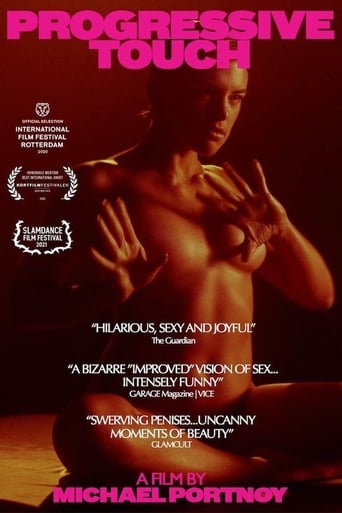
Sex as dance and comedy: in Progressive Touch Portnoy studies and expands the relationship between sex, choreography and composing music. He introduces complex compositions from progressive rock and math metal during sex, thereby combating the ostensible simplification of rhythm in human movements and gestures. A group of actors perform the new moves in three slapstick-like scenes. Worth trying at home.